
View All Products
en
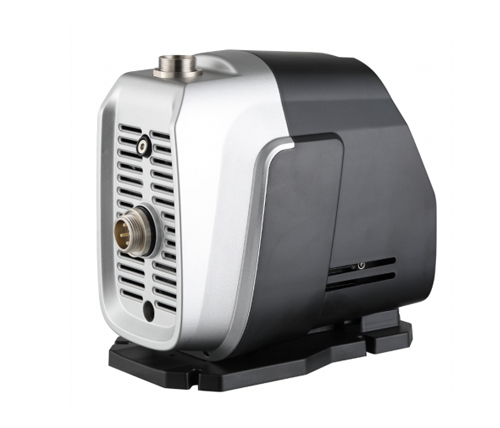
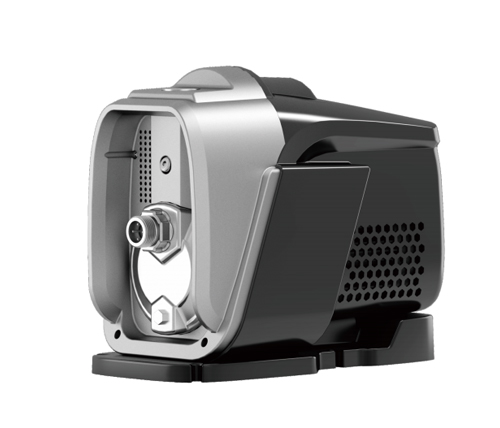
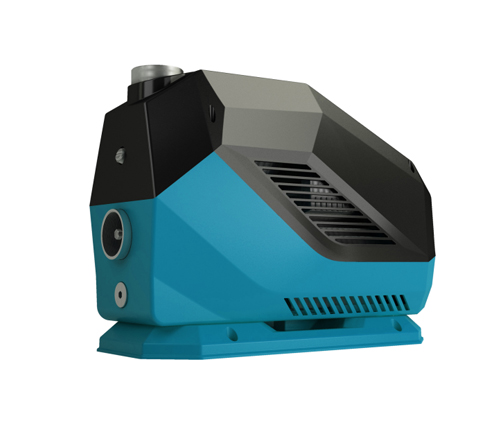
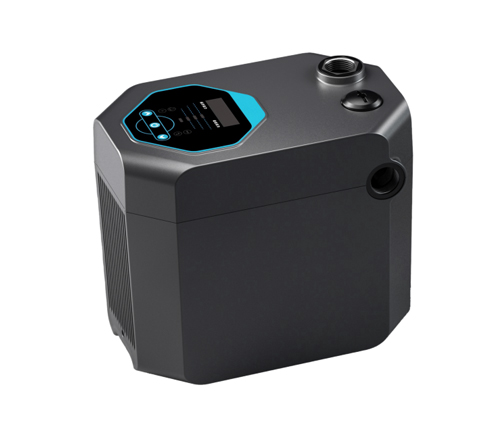
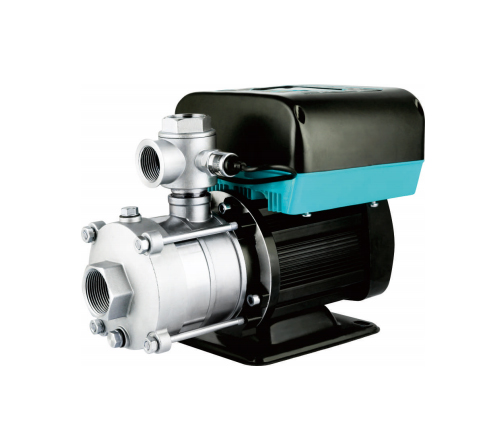
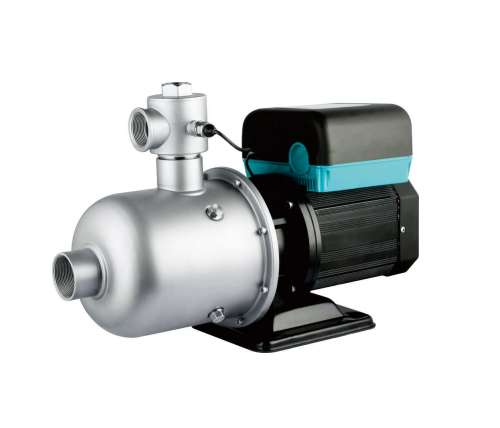
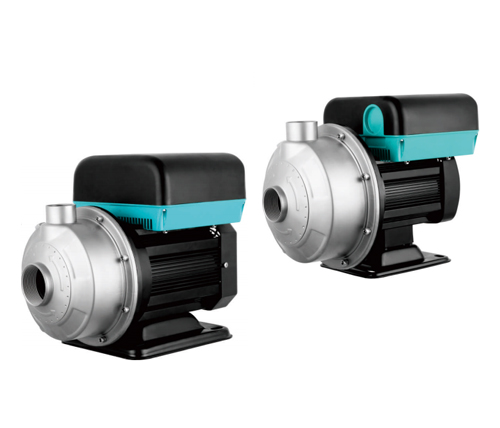
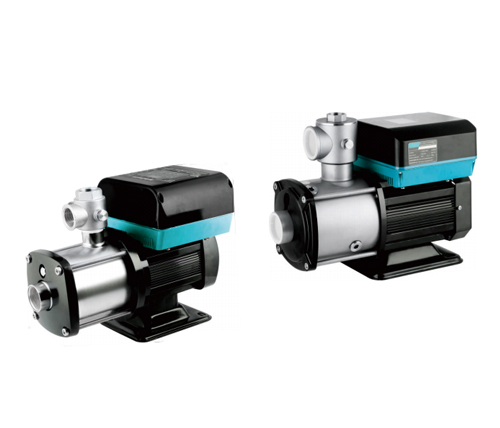
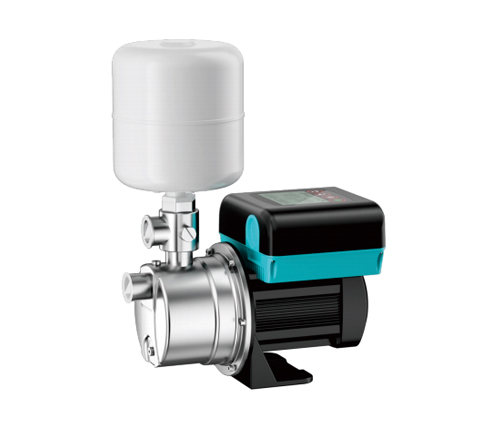
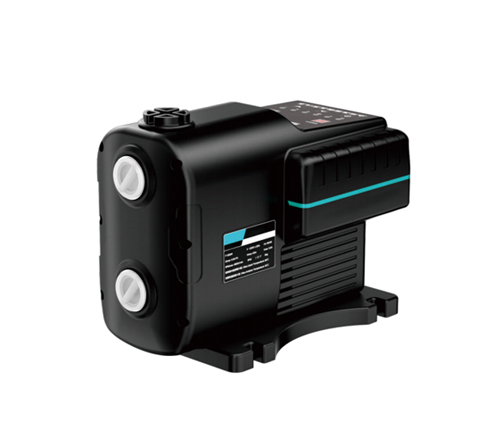
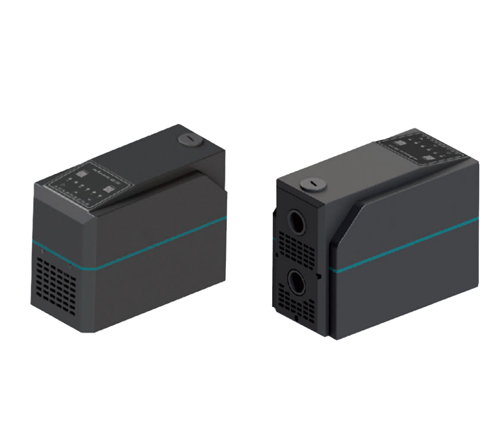
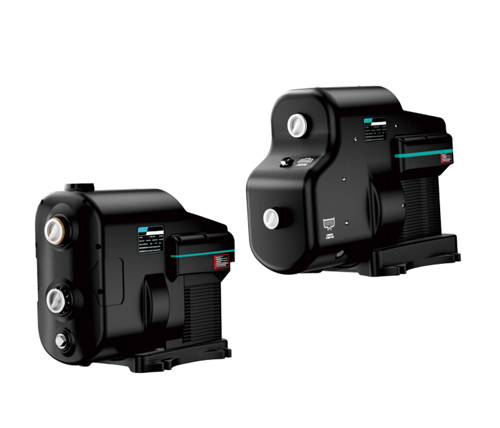
Intelligent booster pump is an intelligent version that integrates advanced sensors and control technology on the basis of standard booster pump. It can not only increase fluid pressure, but also achieve automated, efficient and silent operation. Its core intelligent functions include adaptive control.
Through built-in flow and pressure sensors, the system can monitor demand in real time and automatically adjust pump speed or start stop, thus maintaining constant pressure in any water usage scenario.
At the same time, it has multiple intelligent protection mechanisms, such as dry running protection and overload protection, which can automatically prevent equipment damage in case of water shortage or abnormal conditions, significantly improving reliability and extending service life.
In addition, the use of high-efficiency motor technologies such as permanent magnet synchronous motors enables it to provide strong power while achieving higher energy efficiency and lower operating noise. Some models can have noise levels as low as below 40 decibels, which is very suitable for home environments.
Its application range is extremely wide, from solving the problem of insufficient water pressure in high-rise residential buildings, boosting water heaters, to supplying water and irrigation systems in commercial places, and even industrial circulation, it can be competent.
In summary, intelligent booster pumps provide users with a more worry free, energy-saving, and quiet solution based on their automated control, self-protection capabilities, and efficient silent design, while completing the core task of boosting.


A Submersible Pump is a critical tool for moving water and other fluids from wells, tanks, or reservoirs. Unlike surface pumps, submersible...
READ MOREAccess to groundwater is a critical concern for agriculture, residential use, and industrial operations. A borehole pump is designed to ext...
READ MOREA Deep Well Pump is designed to draw water from wells that are significantly deeper than standard household sources. These pumps are widely...
READ MOREWater management is an essential part of agriculture, and efficient irrigation systems depend on reliable pumps. An Irrigation Pump Factory...
READ MOREA submersible pump factory is responsible for producing pumps that operate fully underwater while maintaining stable performance. These pump...
READ MOREChoosing an intelligent booster pump requires careful consideration of both system requirements and operating conditions. These pumps are designed to automatically adjust pressure and flow, but their effectiveness depends on proper selection. The following reasons outline key factors to evaluate, presented in bullet-point form for clarity.
Water Demand and Flow Rate
Assess the number of outlets, such as taps, showers, and appliances, that may operate simultaneously.
Ensure the pump's rated flow matches peak household or system demand.
Oversizing can bring about unnecessary energy use, while undersizing may cause pressure instability.
Pressure Requirements
Review the existing water supply pressure and identify the desired outlet pressure.
Choose a pump with sufficient head to compensate for elevation differences and pipe losses.
Intelligent pumps with adjustable pressure settings offer greater flexibility.
Control Features and Sensors
Look for models with built-in pressure and flow sensors that enable automatic start and stop.
Advanced control logic helps maintain consistent pressure and prevents frequent cycling.
Some pumps include digital displays or remote monitoring functions for easier operation.
Installation Conditions
Consider available space, pipe orientation, and mounting options.
Noise levels may be important in residential settings, making low-noise designs preferable.
Compatibility with existing piping materials and electrical supply should be verified.
Reliability and Protection Functions
Features such as dry-run protection, over-temperature protection, and leak detection improve safety.
Pumps with self-diagnostic capabilities can reduce maintenance effort over time.
Intelligent water pressure booster pumps are generally designed with energy efficiency as a core objective. Unlike traditional fixed-speed pumps that operate at full power regardless of demand, intelligent booster pumps adjust their speed and output in response to real-time water usage. This variable operation significantly reduces unnecessary energy consumption.
At the heart of their efficiency is the variable frequency drive (VFD) or integrated electronic control system. By regulating motor speed based on pressure or flow feedback, the pump supplies only the energy required to maintain the set pressure. During periods of low demand, the pump runs at reduced speed, consuming less electricity and reducing mechanical wear.
Energy efficiency is also improved through optimized motor design. Many intelligent booster pumps use high-efficiency motors that meet recognized energy performance standards. Reduced heat generation and improved power factor contribute to lower operating costs over time. In residential applications, this can translate into noticeable savings on electricity bills, especially in systems with frequent pressure fluctuations.
In addition, intelligent control reduces frequent start-stop cycles, which are common in conventional pumps. Frequent cycling increases energy use and shortens motor life. Smooth speed modulation not only saves energy but also extends component lifespan.
While intelligent booster pumps may have a higher initial cost, their efficient operation often results in lower total energy consumption across their service life. The actual efficiency achieved depends on correct sizing, proper installation, and realistic system demand patterns.
One common reason a smart automatic water pump may not work is related to electrical supply. Insufficient voltage, unstable power, or incorrect wiring can prevent the control system from operating properly. Smart pumps rely on electronic components and sensors, which are more sensitive to power quality than basic mechanical pumps. Tripped circuit breakers, damaged cables, or incorrect grounding can also interrupt normal operation.
Smart pumps depend on pressure and flow sensors to determine when to start or stop. If these sensors become clogged, misaligned, or damaged, the pump may fail to respond correctly. Control unit malfunctions, software errors, or incorrect parameter settings can also bring about non-operation or irregular performance. Regular inspection and correct configuration are important to maintain reliable control behavior.
Hydraulic conditions within the system can also cause operational issues. Air trapped in the pipes, leaks, or blocked filters may prevent the pump from detecting flow or building pressure. Improper installation, such as incorrect inlet orientation or insufficient pipe diameter, can disrupt normal operation. In some cases, the pump may activate protective functions, such as dry-run protection, and shut down to prevent damage.
+86-13586290903 (WhatsApp)
Xuri Gongliang Cutting Tool Entrepreneurship Park, Wenqiao Town, Wenling City, Taizhou City, Zhejiang Province, China

Intelligent Booster Pump Manufacturer


 English