
View All Products
en
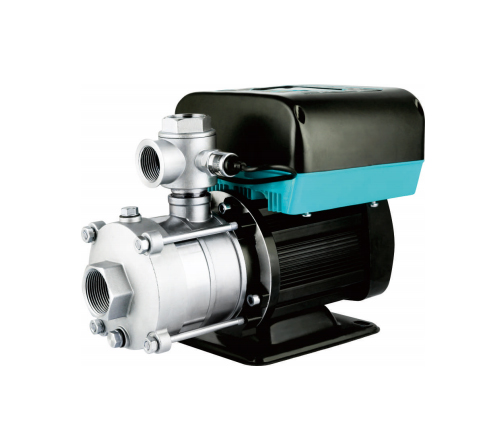
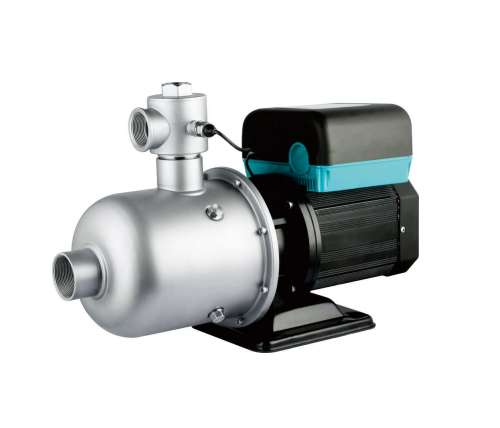
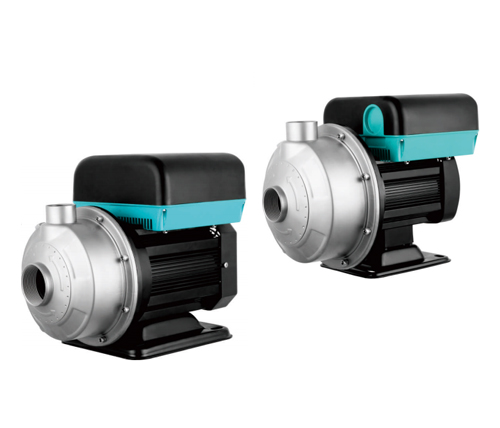
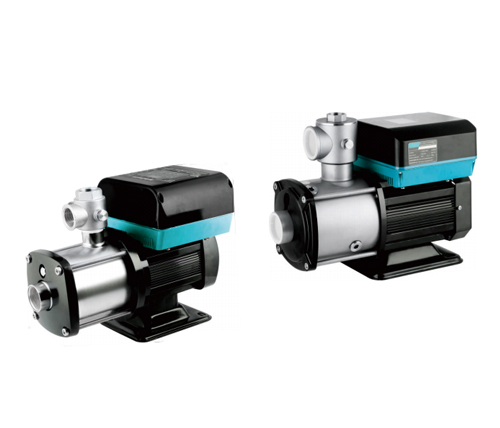
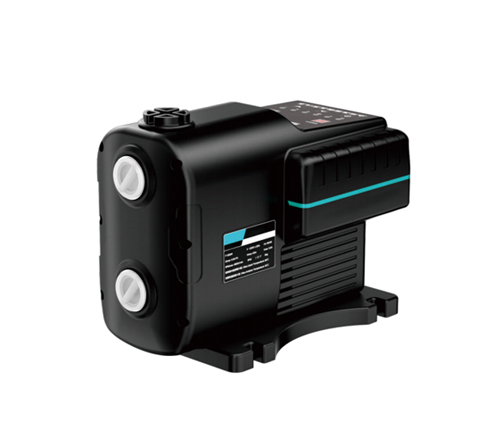
A multistage intelligent booster pump is a high-performance pumping system that combines multiple impellers in series to achieve significant pressure increases, while integrating smart sensors and controllers for fully automated and efficient operation.
Unlike standard single-stage pumps, its multistage design enables it to generate much higher pressure outputs, making it ideal for demanding applications like high-rise building water supply or industrial processes. The intelligent system continuously monitors flow and pressure, automatically adjusting the pump's speed to match real-time demand, which optimizes energy use, maintains consistent pressure, and protects the pump from issues like dry running.
This combination of robust multistage power and smart, adaptive control delivers a reliable, energy-efficient, and low-maintenance solution for complex pressure-boosting needs.


A Submersible Pump is a critical tool for moving water and other fluids from wells, tanks, or reservoirs. Unlike surface pumps, submersible...
READ MOREAccess to groundwater is a critical concern for agriculture, residential use, and industrial operations. A borehole pump is designed to ext...
READ MOREA Deep Well Pump is designed to draw water from wells that are significantly deeper than standard household sources. These pumps are widely...
READ MOREWater management is an essential part of agriculture, and efficient irrigation systems depend on reliable pumps. An Irrigation Pump Factory...
READ MOREA submersible pump factory is responsible for producing pumps that operate fully underwater while maintaining stable performance. These pump...
READ MOREA multistage intelligent booster pump operates by combining a multistage centrifugal pump structure with electronic sensing and control technology. Its primary function is to maintain stable water pressure under varying demand conditions.
At the hydraulic level, the pump uses multiple impellers arranged in series along a single shaft. Each impeller represents one stage. As water flows through each stage, pressure is incrementally increased. The total outlet pressure is the sum of the pressure gains from all stages, allowing the pump to achieve higher heads without significantly increasing pump size.
The intelligent control system is a defining feature. Pressure sensors installed at the pump outlet continuously monitor system pressure. When a user opens a tap or appliance, system pressure drops. The controller detects this change and activates the pump. When demand decreases and pressure reaches the preset value, the pump slows down or stops automatically.
Many multistage intelligent booster pumps use variable frequency drives (VFDs). Instead of running at a fixed speed, the motor speed is adjusted based on real-time pressure and flow requirements. This ensures smooth pressure regulation and avoids sudden pressure fluctuations.
The self-protection logic is also integral to the working principle. The control system monitors parameters such as current, voltage, temperature, and dry-running conditions. If abnormal conditions are detected, the pump can reduce speed, shut down, or trigger an alarm to prevent damage.
Overall, the working principle relies on the coordinated interaction of multistage hydraulic pressure generation and intelligent electronic control. This combination enables consistent pressure delivery, efficient energy use, and reliable operation across a wide range of household and commercial applications.
One of the key advantages of variable frequency booster pumps is their relatively low noise level compared with conventional fixed-speed pumps. Silent operation is achieved through several technical measures, as summarized in the table below.
|
Noise Control Aspect |
Technical Approach |
Effect on Operation |
|
Motor speed control |
Variable frequency drive adjusts speed gradually |
Reduces sudden starts and stops that cause vibration |
|
Multistage impeller design |
Smaller pressure increase per stage |
Lowers hydraulic turbulence and flow noise |
|
Permanent magnet motor |
High efficiency with smooth torque output |
Minimizes electromagnetic noise |
|
Pump casing design |
Precision casting and balanced structure |
Reduces mechanical resonance |
|
Vibration isolation |
Rubber mounts or integrated dampers |
Limits noise transmission to building structures |
|
Intelligent control logic |
Adaptive response to demand |
Avoids unnecessary high-speed operation |
By operating at lower speeds during periods of low demand, the pump significantly reduces airborne and structure-borne noise. Unlike traditional pumps that start at full speed, variable frequency booster pumps ramp up smoothly, which reduces mechanical stress and audible noise.
In addition, improved hydraulic design reduces internal flow disturbances. Smooth internal surfaces and optimized impeller geometry help maintain laminar flow, further lowering operational sound levels. As a result, these pumps are suitable for installation in apartments, residential buildings, and noise-sensitive environments.
Permanent magnet variable frequency pumps are reliable when properly installed, but faults may still occur due to electrical, hydraulic, or operational issues. Systematic troubleshooting helps identify and resolve problems efficiently.
1. Pump does not start
Possible causes include power supply failure, controller protection lockout, or sensor malfunction. Check input voltage, circuit breakers, and error codes on the controller display. Reset the system only after confirming that supply conditions are normal.
2. Insufficient water pressure
This may result from incorrect pressure settings, air trapped in the system, or blocked filters. Verify pressure setpoints in the controller, bleed air from the pipeline if necessary, and clean inlet strainers.
3. Frequent start-stop cycling
Short cycling is often caused by a lack of system buffering or an incorrectly sized pump. Inspect pressure sensor placement, confirm that the expansion tank (if used) is functioning, and ensure that demand is within the pump's operating range.
4. Pump stops during operation
Overcurrent, overheating, or dry-run protection may trigger automatic shutdown. Check for blocked suction lines, insufficient inlet pressure, or high water temperature. Allow the pump to cool before restarting.
5. Unusual noise or vibration
This may indicate bearing wear, cavitation, or improper installation. Confirm that the pump is firmly mounted, suction conditions are adequate, and operating pressure is within design limits.
6. Error codes on the controller
Refer to the manufacturer's fault code table. Error codes provide specific information about electrical or sensor-related issues and should guide corrective actions.
+86-13586290903 (WhatsApp)
Xuri Gongliang Cutting Tool Entrepreneurship Park, Wenqiao Town, Wenling City, Taizhou City, Zhejiang Province, China

Multistage Intelligent Booster Pump Manufacturer


 English