View All Products
en
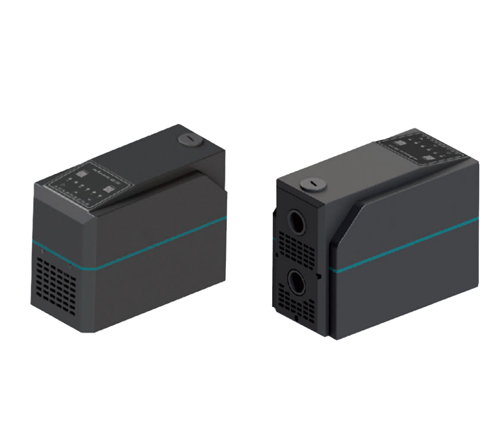
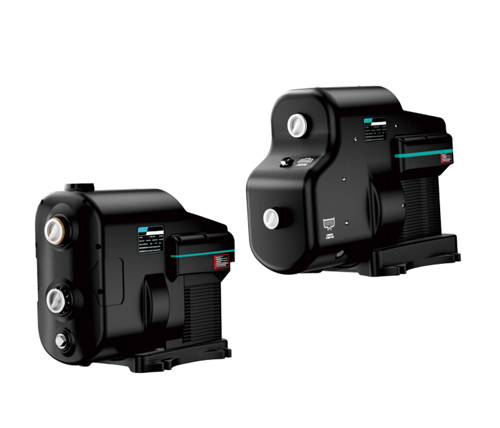
The Self-priming Multistage Intelligent Booster Pump integrates three key advanced functionalities into a single robust system: it features a self-priming design that allows automatic startup without external filling, a multistage pumping mechanism for generating high pressure and lift, and intelligent controls for adaptive speed adjustment, real-time monitoring, and system protection.
This combination delivers a highly efficient, automated, and reliable pumping solution for applications requiring strong, consistent pressure.


A Submersible Pump is a critical tool for moving water and other fluids from wells, tanks, or reservoirs. Unlike surface pumps, submersible...
READ MOREAccess to groundwater is a critical concern for agriculture, residential use, and industrial operations. A borehole pump is designed to ext...
READ MOREA Deep Well Pump is designed to draw water from wells that are significantly deeper than standard household sources. These pumps are widely...
READ MOREWater management is an essential part of agriculture, and efficient irrigation systems depend on reliable pumps. An Irrigation Pump Factory...
READ MOREA submersible pump factory is responsible for producing pumps that operate fully underwater while maintaining stable performance. These pump...
READ MOREFor a small business—such as a cafe, laundry service, salon, or small-scale manufacturing unit—investing in a water pressure system requires a view that extends beyond the initial purchase price. The cost-effectiveness of a self-priming multistage intelligent booster pump stems from its integrated functionality, operational efficiency, and long-term reliability.
This type of pump consolidates multiple beneficial features into one unit. The self-priming capability is a significant operational advantage. It means the pump can automatically evacuate air from its suction line and begin pumping water without manual priming, even if the water source is below the pump. This simplifies installation, reduces the need for a dedicated technician for every minor airlock, and ensures quicker recovery after a temporary water supply interruption, reduce downtime. The multistage design allows the pump to generate higher pressure from a compact footprint, which is ideal for businesses with limited mechanical room space. It does this efficiently, as the workload is distributed across multiple impellers.
The true economic benefit, however, is unlocked by the intelligent control system. Unlike a standard pump that runs at a fixed speed, an intelligent pump uses a variable frequency drive to precisely match motor speed (and thus energy consumption) to the real-time demand. During slow business hours with minimal water use, the pump idles or runs at very low power. It ramps up only when needed. This adaptive operation can bring about measurable reductions in electricity costs, a key operational expense. Furthermore, by avoiding constant on/off cycling and operating near its efficiency point, the pump reduces mechanical wear on components like seals and bearings. This translates directly into lower maintenance costs, fewer service interruptions, and an extended equipment lifespan.
When evaluated holistically, the higher initial investment in an intelligent, self-priming multistage pump is often offset by savings in energy consumption, reduced maintenance frequency, and avoided losses from operational downtime. For a small business where every cost line matters, this pump represents a tool that enhances operational resilience while contributing to a lower total cost of ownership over its service life.
Modern intelligent booster pumps, especially those with permanent magnet motors and variable speed drives, are engineered for quiet operation. They typically run at lower decibel levels than traditional single-speed pumps. When activated at low demand (e.g., for a single faucet), they may run so quietly they are barely noticeable. Sound levels do increase with higher demand, but quality models are designed with noise-dampening materials and often have a lower overall noise profile than the clunking sound of a standard pressure switch activating.
While some homeowners with advanced plumbing skills may undertake installation, professional installation is strongly recommended. A correct installation involves electrical wiring (often requiring a dedicated circuit), proper piping connections, secure mounting to minimize vibration, and, crucially, configuring the pump's intelligent controller. A professional ensures the pump is correctly sized, the pressure settings are safe for your home's plumbing, and all safety features like dry-run protection are properly activated. This safeguards your investment and prevents potential damage to your home's water system.
The intelligence comes from an integrated microprocessor and pressure sensor. Instead of simply turning on at a low pressure and off at a high pressure like a standard pump, it constantly monitors the system pressure. When you open a tap, it detects the slight pressure drop and immediately starts the motor at the exact speed required to maintain your preset pressure. As you adjust the flow or open more taps, it seamlessly adjusts its speed. This eliminates the energy waste of running a pump at full speed when only a trickle is needed, significant energy savings over time.
Many standard household intelligent booster pumps are designed for clean water from a pressurized municipal line or a storage tank. For alternative sources, specific features are critical. For drawing from a well or an underground tank, you must ensure the pump model has self-priming capability. If using water from a rainwater tank or other source that may contain sediment, it is imperative to install adequate inlet filtration before the pump to protect its internal components. Always verify the pump's specifications with the manufacturer or supplier for your specific water source application.
+86-13586290903 (WhatsApp)
Xuri Gongliang Cutting Tool Entrepreneurship Park, Wenqiao Town, Wenling City, Taizhou City, Zhejiang Province, China

Self-Priming Multistage Intelligent Booster Pump Manufacturer


 English