View All Products
en
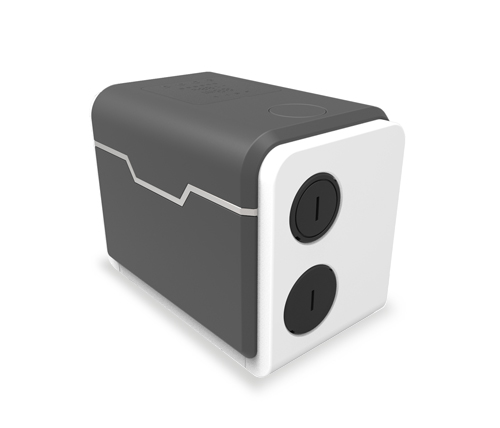
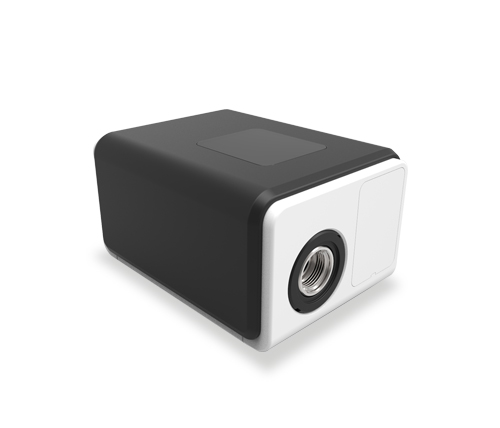
A water-cooled multistage intelligent booster pump is a high-performance pressure-enhancing system designed for demanding applications. It integrates multiple pumping stages in series to achieve significantly higher discharge pressures than single-stage pumps, making it ideal for applications like high-rise building water supply, industrial processes, or high-pressure cleaning.
Its built-in water-cooling system continuously dissipates heat from the motor and pump stages, ensuring reliable and stable operation even under continuous heavy loads or with high-temperature fluids, which greatly enhances durability and prevents overheating.
The intelligent control system, typically featuring sensors and a variable frequency drive, allows for automatic self-adjustment based on real-time flow and pressure demand, optimizing energy efficiency, maintaining constant pressure, and providing protections against issues like dry running or overload.
This combination of high-pressure capability, forced cooling, and smart automation makes it a robust and efficient solution for critical, high-pressure boosting tasks in commercial, industrial, and specialized residential settings.
A Submersible Pump is a critical tool for moving water and other fluids from wells, tanks, or reservoirs. Unlike surface pumps, submersible...
READ MOREAccess to groundwater is a critical concern for agriculture, residential use, and industrial operations. A borehole pump is designed to ext...
READ MOREA Deep Well Pump is designed to draw water from wells that are significantly deeper than standard household sources. These pumps are widely...
READ MOREWater management is an essential part of agriculture, and efficient irrigation systems depend on reliable pumps. An Irrigation Pump Factory...
READ MOREA submersible pump factory is responsible for producing pumps that operate fully underwater while maintaining stable performance. These pump...
READ MOREWater pressure boosting technology has advanced significantly with the introduction of intelligent control systems and multistage pump designs. Among these solutions, water-cooled multistage intelligent booster pumps and intelligent variable frequency booster pumps are commonly applied in residential and commercial water supply systems. While these technologies offer practical benefits, they also present certain limitations that should be understood during system selection.
Dependence on Water Quality and Flow Conditions
One of the main disadvantages of water-cooled multistage intelligent booster pumps is their reliance on water quality for effective cooling. Because the motor cooling process depends on the circulation of water, impurities such as sediment, scale, or debris can negatively affect cooling channels over time. In systems with poor water quality, mineral buildup may reduce cooling efficiency and increase maintenance requirements.
In addition, stable water flow is necessary to ensure consistent cooling. If inlet pressure is insufficient or flow conditions fluctuate significantly, the cooling performance may be compromised. This can bring about higher operating temperatures and reduced motor efficiency, especially during prolonged operation.
Higher System Complexity and Maintenance Requirements
Water-cooled designs are generally more complex than air-cooled alternatives. They include additional internal channels, seals, and interfaces between the motor and hydraulic components. This increased complexity can raise the likelihood of leakage or seal wear over time.
Maintenance procedures may also be more involved. Inspecting and servicing water-cooled components often requires partial disassembly of the pump. Compared with simpler designs, this can increase downtime and service costs, particularly in installations where access is limited.
Installation Limitations and Cost Considerations
Water-cooled multistage intelligent booster pumps often have stricter installation requirements. Proper alignment, adequate inlet pressure, and correct pipe configuration are essential to ensure both hydraulic performance and cooling effectiveness. In retrofit projects or space-constrained installations, meeting these requirements can be challenging.
From a cost perspective, water-cooled systems typically have higher initial costs due to more complex construction and material requirements. While they may offer long-term operational benefits in suitable conditions, the higher upfront investment may not be justified for smaller or low-demand applications.
Unlike the previous section, this topic is presented using a structured list format to highlight key characteristics and operational concepts in a concise manner.
Key Features and Functions
Adjusts motor speed based on real-time pressure and flow demand, allowing precise pressure regulation.
Built-in sensors continuously monitor system pressure and transmit data to the control unit.
The pump activates when water demand is detected and shuts down when demand ceases.
By avoiding constant full-speed operation, energy consumption is reduced under partial load conditions.
Operating Principles
When a tap or appliance is opened, system pressure drops below the preset value.
The controller increases motor speed gradually to restore target pressure.
Motor speed is continuously adjusted to match demand, preventing pressure fluctuations.
When no water is used, the pump slows down or stops, remaining ready for the next demand cycle.
Suitable for residential buildings, apartments, and small commercial systems
Reduces mechanical stress caused by frequent start-stop cycles
Operates with relatively low noise compared with fixed-speed pumps
Permanent magnet or induction motor
Variable frequency drive module
Pressure and flow sensors
Integrated protection functions such as dry-run and overcurrent protection
This list-based presentation emphasizes clarity and functional breakdown, offering a different approach from the narrative subheading format used in the discussion of water-cooled multistage pump disadvantages.
+86-13586290903 (WhatsApp)
Xuri Gongliang Cutting Tool Entrepreneurship Park, Wenqiao Town, Wenling City, Taizhou City, Zhejiang Province, China

Water Cooled Multistage Intelligent Booster Pump Manufacturer


 English