View All Products
en
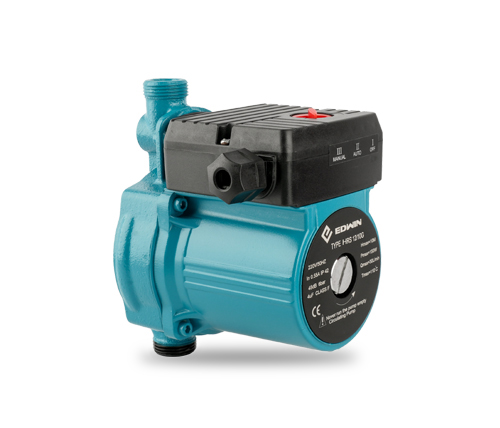
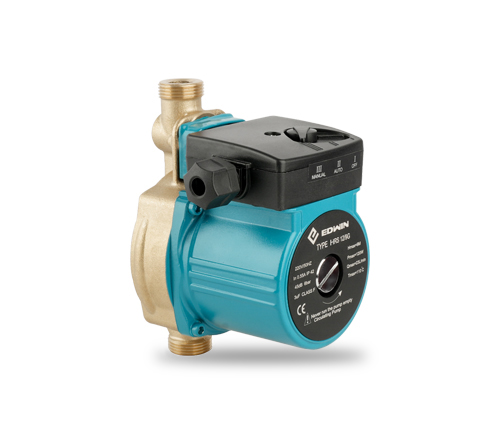
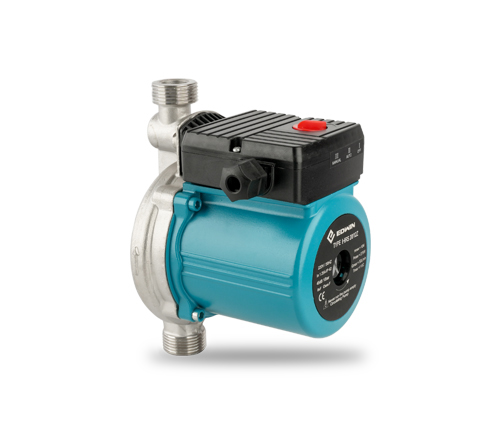
A household booster pump is a type of water pump that is designed to increase the water pressure in a home. It is a small, compact, and efficient pump that is easy to install and can provide a reliable source of high-pressure water for a variety of applications. The installation of a booster pump is relatively straightforward and can typically be done by a homeowner with basic plumbing skills. The pump should be installed near the main water supply and should be connected to the existing plumbing. The pump should also be connected to a power source and to a pressure switch, which will turn the pump on and off as needed. Once the booster pump is installed, it will work by drawing water from the main supply and increasing the pressure through a series of pumping chambers. The water is then delivered to the fixtures or areas where increased pressure is needed. The pressure switch will monitor the water pressure and will turn the pump on or off as needed to maintain the desired water pressure. One of the key benefits of a household booster pump is its ability to provide consistent water pressure, even when multiple fixtures are in use. This is particularly important for showers, where a lack of water pressure can result in a weak or ineffective stream of water. With a booster pump, homeowners can enjoy a powerful and steady stream of water, even when multiple fixtures are in use. Another benefit of a household booster pump is its ability to increase the water pressure for outdoor use. For example, if a homeowner has a sprinkler system, a booster pump can provide the necessary water pressure to ensure that the sprinklers are able to operate effectively. This can be especially important during periods of drought, when water restrictions may limit the use of outdoor watering systems.

A Submersible Pump is a critical tool for moving water and other fluids from wells, tanks, or reservoirs. Unlike surface pumps, submersible...
READ MOREAccess to groundwater is a critical concern for agriculture, residential use, and industrial operations. A borehole pump is designed to ext...
READ MOREA Deep Well Pump is designed to draw water from wells that are significantly deeper than standard household sources. These pumps are widely...
READ MOREWater management is an essential part of agriculture, and efficient irrigation systems depend on reliable pumps. An Irrigation Pump Factory...
READ MOREA submersible pump factory is responsible for producing pumps that operate fully underwater while maintaining stable performance. These pump...
READ MOREThe technology behind household booster pumps has progressed from simple, single-speed mechanical workhorses to sophisticated, demand-sensitive systems. Early models were often standard centrifugal pumps operated by a basic pressure switch. They would run at a fixed speed until a cutoff pressure was reached, frequent on/off cycling, pressure fluctuations, and higher energy consumption. A significant advancement was the widespread adoption of the jet pump configuration for shallow wells, which incorporated a venturi to assist with suction and priming.
The transformative evolution, however, has been the integration of electronic variable speed drives (VSDs) and permanent magnet motors in the last two decades. Modern intelligent booster systems do not merely switch on and off. Instead, they use an inverter to adjust the motor's rotational speed in real-time, precisely matching the pump's output to the instantaneous water demand. This technology enables constant pressure control, where the system maintains a preset pressure regardless of how many faucets are open. The benefits are substantial: it eliminates the pressure spikes and "water hammer" associated with cycling pumps, drastically reduces energy use during low-flow conditions, and provides a consistently comfortable user experience. Furthermore, the use of corrosion-resistant materials like stainless steel and advanced polymers has improved durability and quiet operation in residential settings.
A portable or point-of-use booster pump is often a simpler unit, but its effectiveness and safety are significantly enhanced by specific accessories. These components transform a basic pump into a reliable, integrated system.
The operational life of a booster pump, which can range from 5 to over 15 years, is not predetermined but is directly influenced by installation quality, usage patterns, and maintenance.
Quality of Installation and Sizing: A correctly sized pump operating near its better efficiency point (BEP) experiences less internal strain. Improper electrical connections, inadequate pipe sizing causing excessive friction, or a lack of vibration damping can all induce premature stress and failure.
Water Quality and System Cleanliness: Abrasive particles like sand or silt act as a grinding paste on seals and impellers. Corrosive water can attack metal components. Ensuring clean water via filtration and using pumps with appropriate wetted-part materials (e.g., stainless steel for corrosive conditions) is critical.
Duty Cycle and Electrical Supply: Pumps designed for intermittent duty will fail quickly if forced into continuous operation. Frequent on/off cycling, known as "short cycling," causes excessive wear on the motor starter and mechanical components. Stable, clean electrical power within the pump's rated voltage is also vital; power surges and voltage fluctuations can damage motor windings and control electronics.
Preventive Maintenance: Like any mechanical system, neglect shortens life. Periodic checks for leaks, verifying pressure settings, listening for unusual noises (indicative of cavitation or bearing wear), and ensuring the air charge in a bladder tank is correct are simple but effective practices. For more complex variable speed systems, professional servicing may be required to ensure electronic controls function correctly.
+86-13586290903 (WhatsApp)
Xuri Gongliang Cutting Tool Entrepreneurship Park, Wenqiao Town, Wenling City, Taizhou City, Zhejiang Province, China

Household Booster Pump Manufacturer


 English