
View All Products
en
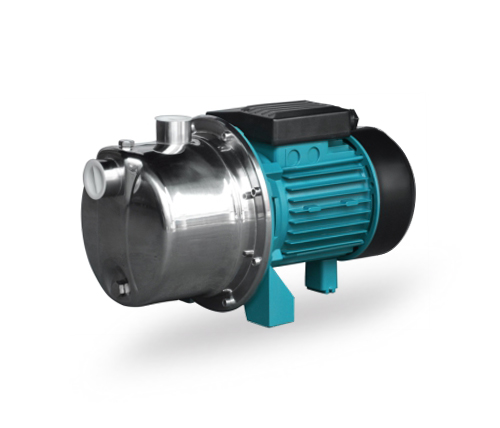
Multistage pumps are used in a variety of applications, including water supply systems, irrigation systems, fire fighting systems, pressure boosting, and water treatment plants. They are also used in industries such as chemical processing, oil and gas, power generation, and manufacturing. The pump is designed to provide a smooth and efficient flow of fluid, which makes it a reliable choice for many applications. One of the main benefits of a commercial multistage pump is its ability to handle high-pressure applications. This is because the multiple stages in the pump increase the pressure of the fluid, making it possible to pump the fluid over long distances or through high-pressure systems. Additionally, the pump is designed to handle large volumes of fluid, making it ideal for applications that require a constant supply of fluid. Another benefit of a commercial multistage pump is its versatility. The pump can be used in a variety of applications, and it can be easily adapted to meet the specific needs of each application. For example, it can be used in applications that require different flow rates or pressures, and it can be configured to handle different types of fluids. The pump is also known for its durability and reliability. It is constructed using high-quality materials, such as stainless steel and bronze, which are resistant to corrosion and wear. Additionally, the pump is designed with a compact and sturdy housing, which helps to protect the internal components from damage. This makes it possible for the pump to operate for many years without requiring significant maintenance or repairs.
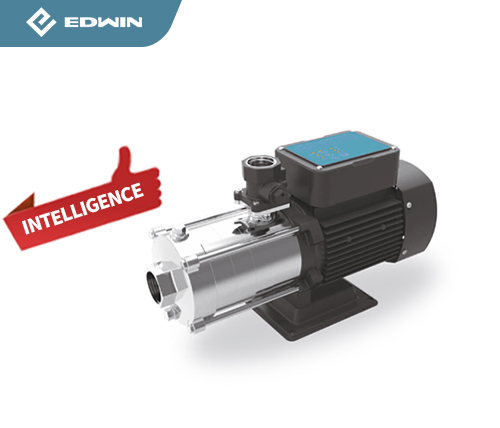
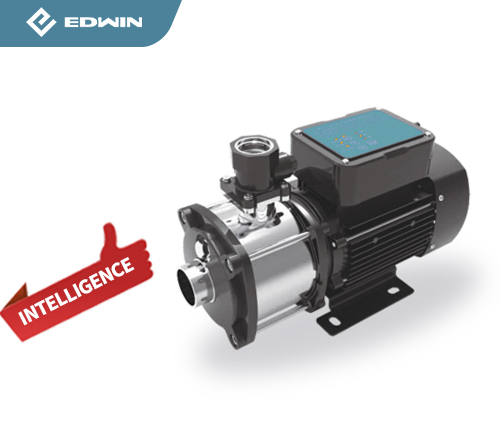
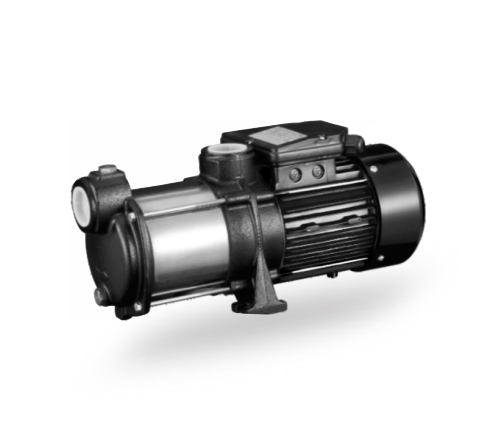
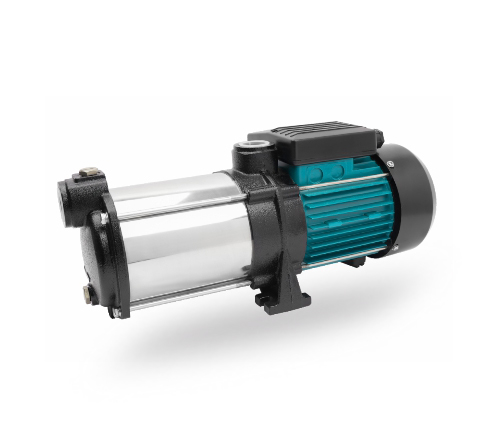
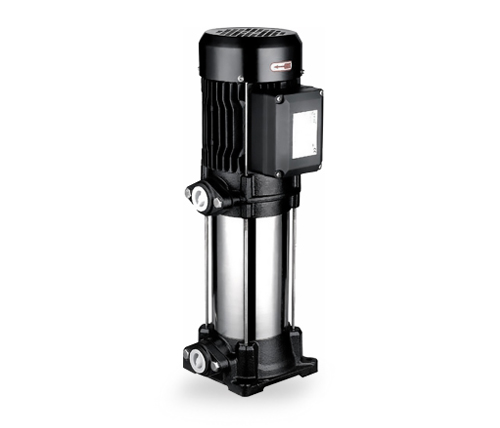
seriesstainlesssteelimpellerhorizontalmultistagepump.jpg "EM-(T) Series Stainless Steel Impeller Horizontal Multistage Pump")
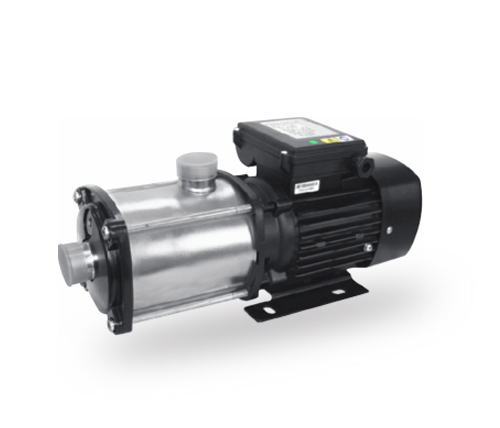
serieshorizontaldeodorizationstainlesssteelwatersurfacecentrifugalpump.jpg "EMI-Z(T) Series Horizontal Deodorization Stainless Steel Water Surface Centrifugal Pump")
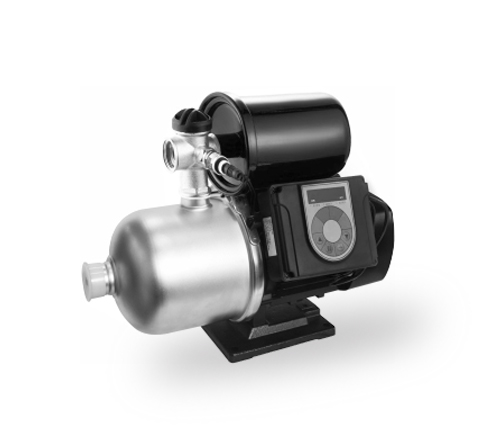
serieshorizontaldeodorizationstainlesssteelwatersurfacecentrifugalpump.jpg "EMIH-Z(T) Series Two-pole Induction Motor Horizontal Stainless Steel Water Surface Centrifugal Pump with Intelligent Controller")
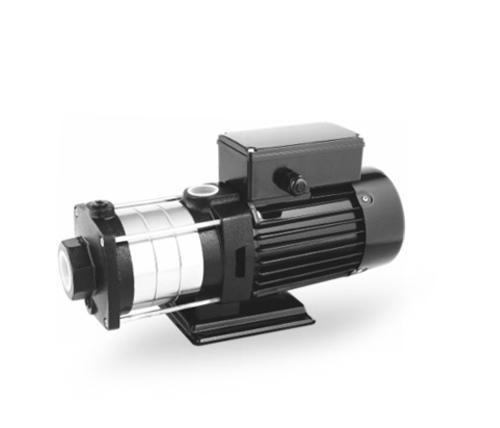

A Submersible Pump is a critical tool for moving water and other fluids from wells, tanks, or reservoirs. Unlike surface pumps, submersible...
READ MOREAccess to groundwater is a critical concern for agriculture, residential use, and industrial operations. A borehole pump is designed to ext...
READ MOREA Deep Well Pump is designed to draw water from wells that are significantly deeper than standard household sources. These pumps are widely...
READ MOREWater management is an essential part of agriculture, and efficient irrigation systems depend on reliable pumps. An Irrigation Pump Factory...
READ MOREA submersible pump factory is responsible for producing pumps that operate fully underwater while maintaining stable performance. These pump...
READ MOREA commercial multistage pump operates on the principle of additive pressure generation through multiple, sequential centrifugal stages within a single pump casing. Each stage consists of a rotating impeller and a stationary diffuser or volute. The process begins when fluid enters the stage's impeller. The impeller, driven by the pump shaft, rotates at high speed, imparting kinetic energy—velocity—to the fluid via centrifugal force.
This high-velocity fluid then enters the surrounding diffuser. The diffuser's primary function is to convert this kinetic energy into pressure energy by gradually expanding the flow path, which slows the fluid down. According to Bernoulli's principle, this reduction in velocity results in an increase in static pressure. The fluid, now at a higher pressure, is then directed into the inlet of the second-stage impeller.
This sequence repeats identically in each subsequent stage. The second impeller receives the already-pressurized fluid and adds more kinetic energy to it; the second diffuser then converts this additional energy into a further pressure increase. The discharge pressure of the pump is essentially the sum of the pressure boosts provided by each individual stage. For instance, if a single stage adds 50 psi (pounds per square inch), a six-stage pump can be designed to achieve approximately 300 psi. This modular, in-series design allows for the creation of extremely high pressures in a compact and mechanically efficient manner, making these pumps suitable for applications such as boiler feed, reverse osmosis, high-rise building water supply, and industrial cleaning processes.
Commercial vertical multistage pumps (often abbreviated as MSV pumps) are distinguished by their space-saving design and specific performance traits, making them suitable for particular installation environments. Their defining characteristic is a vertical shaft orientation, with multiple impellers stacked vertically on top of one another. This configuration results in a tall, narrow footprint, which is a primary advantage. These pumps require minimal floor space, allowing them to be installed in confined areas such as deep wells, narrow pump rooms, or directly within water tanks.
The vertical design inherently facilitates a submerged or flooded suction condition when installed in a tank or borehole, which can simplify priming and improve suction performance by ensuring a positive head of liquid at the inlet. Furthermore, the shaft alignment is maintained by the pump's own bearings and column, which can reduce susceptibility to alignment issues caused by foundation settling—a potential concern with horizontal models.
However, this design introduces other considerations. Maintenance on the internal stages and bearings typically requires disassembling the entire stack of stages from the top, which can be more involved than accessing a horizontally-split casing. The thrust load generated by the stacked impellers is primarily axial (directed along the shaft), necessitating a robust thrust bearing, often located at the top of the motor. These pumps are frequently supplied with a dedicated, close-coupled vertical motor. Their characteristic applications include deep well water extraction, pressure boosting in high-rise buildings, and as in-line booster sets where floor space is at a premium and suction conditions are favorable.
The choice between vertical and horizontal multistage pumps is largely dictated by installation constraints, maintenance philosophy, and the specific hydraulic duty. Each configuration presents a distinct set of advantages and operational considerations.
Horizontal Multistage Pumps feature a shaft oriented parallel to the floor. Their casings are typically designed with a "barrel" (cylindrical) or "ring-section" configuration. Barrel pumps house all stages within a single, radially-split outer pressure casing, with the inner cartridge containing the stages being axially removable for service. Ring-section designs are built by bolting multiple stage castings together between two end covers. The primary advantage of horizontal pumps is generally easier maintenance accessibility. The pump and driver are mounted on a common baseplate, and the rotating element can often be accessed without disturbing major pipework, especially in barrel-type designs. They usually have a larger floor footprint but a lower overall height. Their thrust is managed by a balance drum or disc in conjunction with a thrust bearing. These pumps are common in industrial plants, boiler feed applications, and large pressure booster stations where space is available for side-to-side installation and maintenance access is a priority.
Vertical Multistage Pumps, as previously detailed, prioritize a small floor plan. Their vertical stack design makes them ideal for limited floor space, deep settings, or direct tank mounting. Maintenance, however, often requires vertical disassembly, which may need overhead clearance. The motor is typically mounted directly above the pump stages, and the entire assembly's axial thrust is carried by the motor's thrust bearing.
+86-13586290903 (WhatsApp)
Xuri Gongliang Cutting Tool Entrepreneurship Park, Wenqiao Town, Wenling City, Taizhou City, Zhejiang Province, China

Commercial Multistage Pump Manufacturer


 English