
View All Products
en
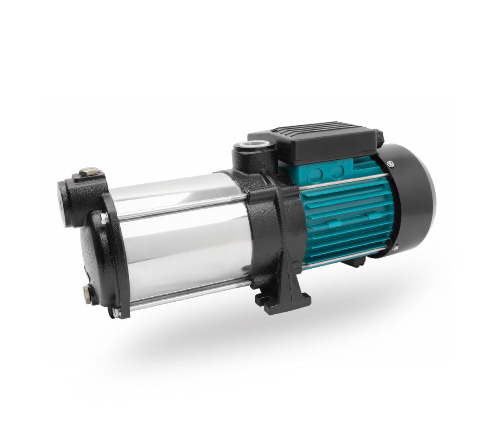
A horizontal multistage pump is a type of centrifugal pump that is used in various industrial and commercial applications. This pump is designed to handle high pressure and flow rates, making it ideal for applications such as water supply, fire protection, and irrigation. A horizontal multistage pump consists of several stages, each consisting of an impeller and a diffuser. The impeller rotates at high speed, generating velocity and pressure in the fluid. The diffuser converts this velocity and pressure into useful flow energy, which is then passed on to the next stage. This process continues until the desired pressure and flow rate are achieved. One of the main advantages of a horizontal multistage pump is its ability to generate high pressure with a small footprint. This makes it ideal for applications where space is limited, such as in a building or on a ship. Another advantage of this pump is its efficiency, which is achieved through the use of multiple stages and the optimized design of the impellers and diffusers. In order to ensure that a horizontal multistage pump operates effectively, it is important to choose the correct size and specifications. Factors that must be considered when selecting a pump include the fluid being pumped, the desired flow rate and pressure, and the physical space available for the pump.
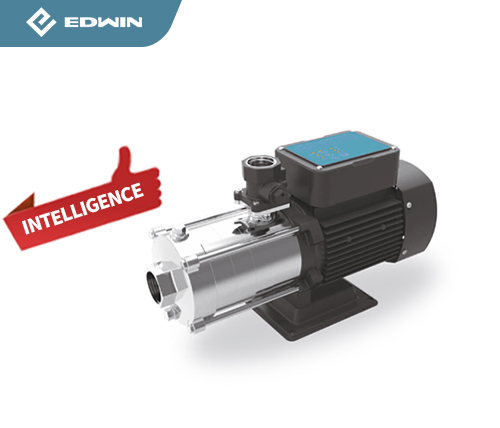
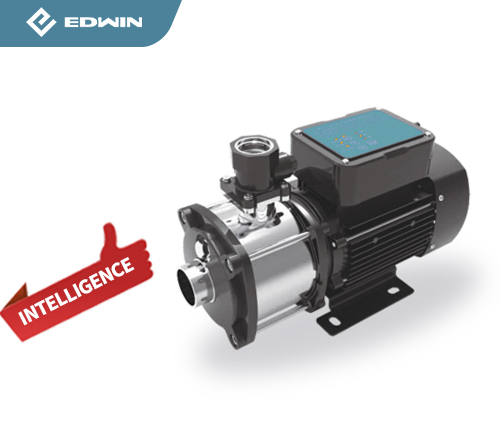
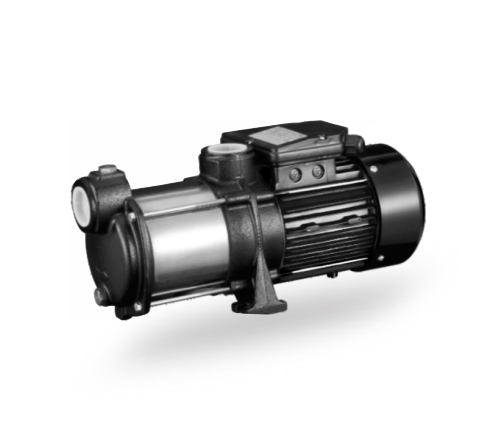
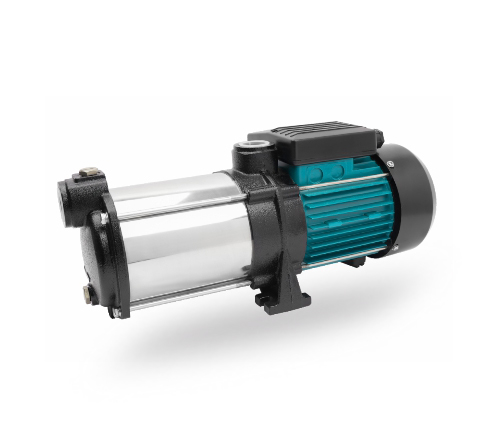
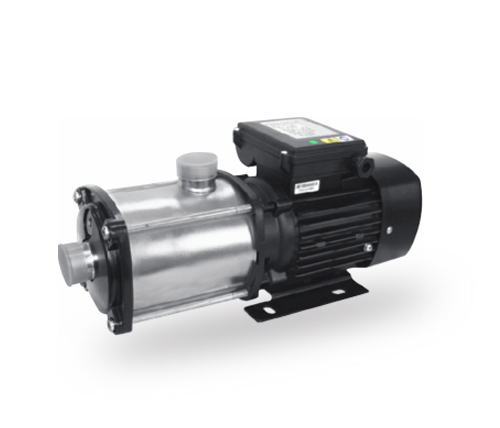
seriesstainlesssteelimpellerhorizontalmultistagepump.jpg "EM-(T) Series Stainless Steel Impeller Horizontal Multistage Pump")
serieshorizontaldeodorizationstainlesssteelwatersurfacecentrifugalpump.jpg "EMI-Z(T) Series Horizontal Deodorization Stainless Steel Water Surface Centrifugal Pump")
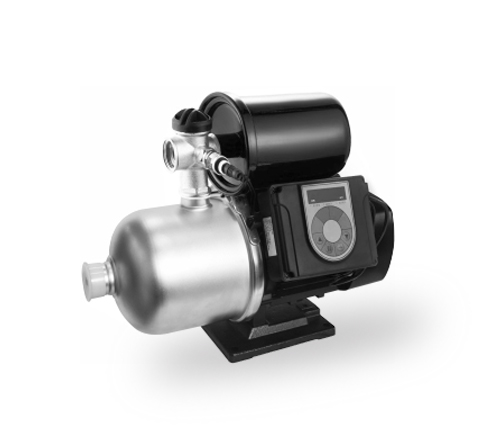
serieshorizontaldeodorizationstainlesssteelwatersurfacecentrifugalpump.jpg "EMIH-Z(T) Series Two-pole Induction Motor Horizontal Stainless Steel Water Surface Centrifugal Pump with Intelligent Controller")
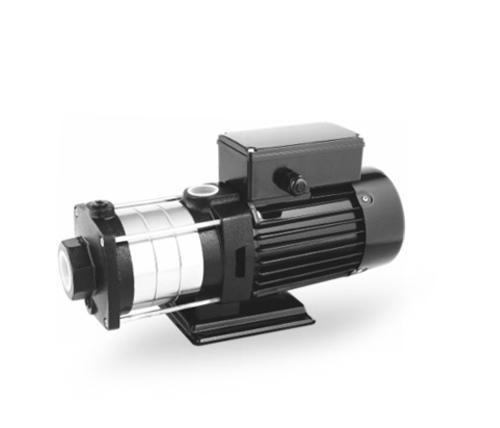
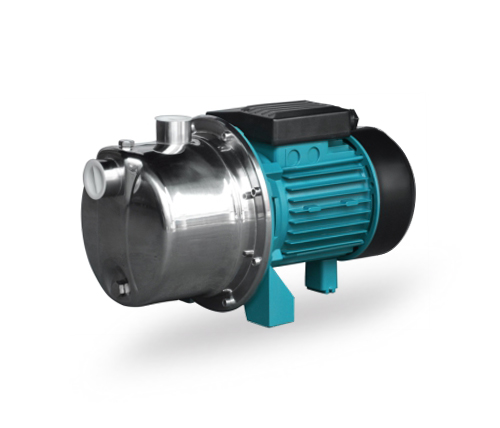

A submersible pump factory is responsible for producing pumps that operate fully underwater while maintaining stable performance. These pump...
READ MOREA borehole pump manufacturer plays an important role in water supply systems, especially in areas where surface water is limited. Borehole p...
READ MOREWater drawn from deep underground plays a key role in agriculture, industry, and residential supply. Behind this process is a Deep Well Pump...
READ MOREEfficient irrigation plays a key role in modern agriculture, landscaping, and water management projects. An experienced Irrigation Pump Fact...
READ MOREWater circulation is an essential part of modern homes and commercial buildings. It ensures that hot or cold water reaches the intended are...
READ MORECommercial horizontal multistage pumps are workhorses in numerous industries, from building services and water supply to industrial processing. Their design, featuring multiple impellers in series to generate high pressures, makes them indispensable. However, their continuous operation can contribute significantly to energy costs. Furthermore, their reliable performance hinges on proper maintenance, especially when constructed from materials like stainless steel.
The power consumption of a multistage pump is not a fixed value; it is directly influenced by the system it operates within and how it is managed. Implementing strategic measures can bring about substantial energy savings without compromising performance.
The impactful step is to ensure the pump is correctly sized for its duty. An oversized pump operating far from its Better Efficiency Point (BEP) wastes considerable energy through throttling losses and internal recirculation. Consulting with engineers to select a pump that matches the system's actual flow and head requirements is a foundational efficiency measure.
Next, focus on system optimization. Often, excessive pressure drops are caused by undersized piping, clogged filters, or faulty valves. Regularly inspecting and cleaning the system, and ensuring pipelines are adequately sized, reduces the system resistance (head) the pump must overcome, thereby lowering its energy draw. Additionally, implementing a Variable Frequency Drive (VFD) is a highly effective modern solution. A VFD allows the pump's motor speed to be adjusted to meet real-time demand, rather than running constantly at full speed with output throttled. This can reduce energy use dramatically, especially in systems with variable flow requirements.
Operational practices also matter. Implementing a pump sequencing strategy for systems with multiple units ensures that pumps are activated only as needed, keeping each operating unit closer to its BEP. Finally, a commitment to routine maintenance—such as replacing worn wear rings—maintains internal clearances, minimizes internal leakage, and preserves the pump's original hydraulic efficiency. Collectively, these practices transform the pump from a static energy consumer into an optimized component of an efficient system.
While stainless steel offers corrosion resistance, it does not make a pump maintenance-free. Proactive care is essential to prevent failures and maximize service life. Maintenance can be viewed through two lenses: addressing common operational problems and adhering to a disciplined daily regimen.
Addressing Common Operational Problems
Recognizing and troubleshooting common issues early prevents minor problems from escalating. A frequent symptom is reduced flow or pressure. This is often caused by clogged suction filters, worn impellers, or excessive wear ring clearance allowing internal recirculation. Inspection and cleaning of the inlet side, followed by examination of internal components, typically identifies the cause. Unusual vibration or noise often points to mechanical issues such as bearing wear, shaft misalignment, or cavitation. Cavitation, a damaging condition caused by insufficient net positive suction head (NPSH), sounds like gravel flowing through the pump and must be corrected immediately by checking suction line conditions and valve positions. Seal leakage is another critical concern. For mechanical seals, this indicates wear or failure of the seal faces, often accelerated by dry running or the presence of abrasives. For packed glands, a slight, controlled leak is normal, but excessive leakage requires gland adjustment or repacking.
Implementing a Daily Maintenance Regimen
Consistent daily practices form the bedrock of pump longevity. Operational Monitoring is the line of defense. This includes regularly logging key parameters: discharge pressure, motor amperage, flow rate, and unusual sounds or vibrations. Significant deviations from baseline readings signal a developing problem. Seal and Bearing Care are equally crucial. Ensure the seal flush lines (if equipped) are clear and that the seal chamber is vented properly during startup. Monitor bearing temperatures by touch or thermometer; excessive heat is a primary indicator of lubrication failure or bearing wear. Lubrication must be performed strictly per the manufacturer's guidelines, using the recommended grade and quantity of grease or oil. Over-lubrication of bearings can be as harmful as under-lubrication.
+86-13586290903 (WhatsApp)
Xuri Gongliang Cutting Tool Entrepreneurship Park, Wenqiao Town, Wenling City, Taizhou City, Zhejiang Province, China

Horizontal Multistage Pump Manufacturer


 English