
View All Products
en
Garden pumps are essential tools for any gardener who wants to keep their plants healthy and hydrated. Whether you have a large garden or a small greenhouse, a garden pump can help you water your plants with ease and efficiency. A garden pump can be used to pump water from a well, lake, or another source to your garden or greenhouse, providing a steady supply of water that can be used to irrigate your plants. In this essay, we'll explore the benefits of using a garden pump, the different types of garden pumps available, and how to choose the right one for your needs. One of the primary benefits of using a garden pump is that it provides a constant and reliable source of water for your plants. With a garden pump, you no longer need to rely on rain or manual watering to keep your plants hydrated. This can be especially important during dry seasons, when rainfall may be limited or nonexistent. By using a garden pump, you can ensure that your plants receive the water they need to grow and thrive. Another benefit of using a garden pump is that it can help you conserve water. By using a garden pump to water your plants, you can control the amount of water that you use, reducing the amount of water that goes to waste. This can be especially important for those who live in areas with water restrictions or limited water supplies.
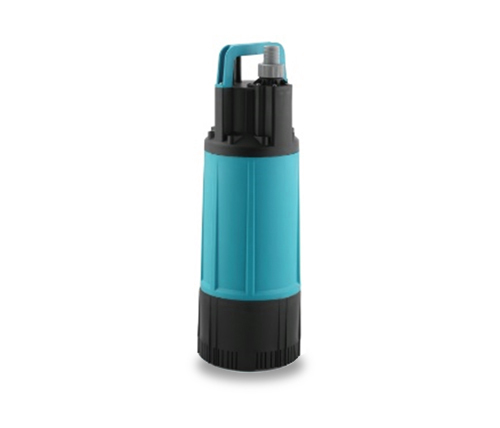
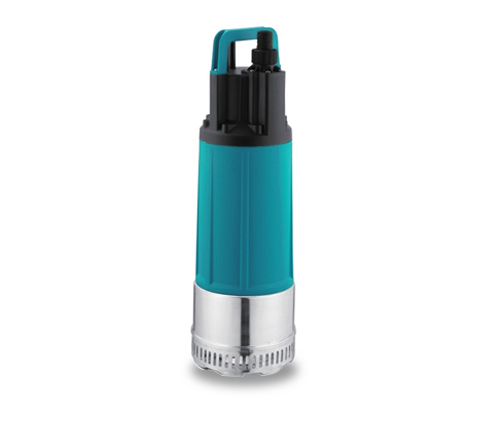
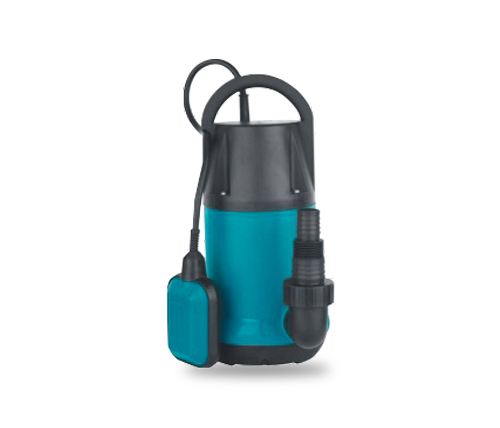
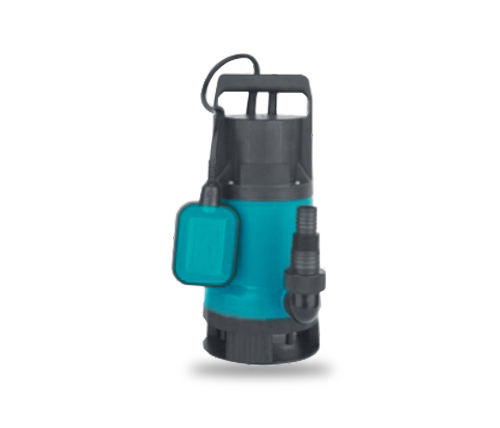
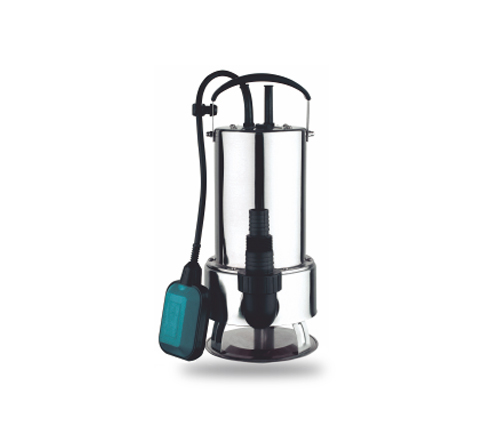
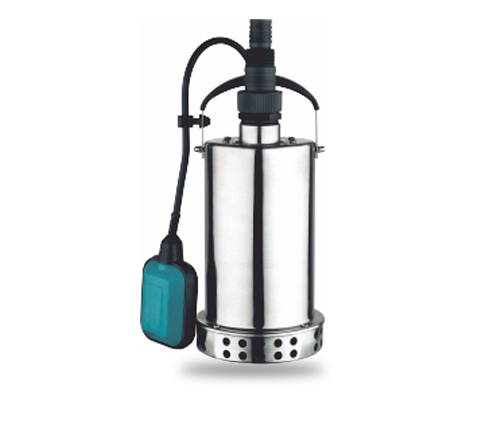
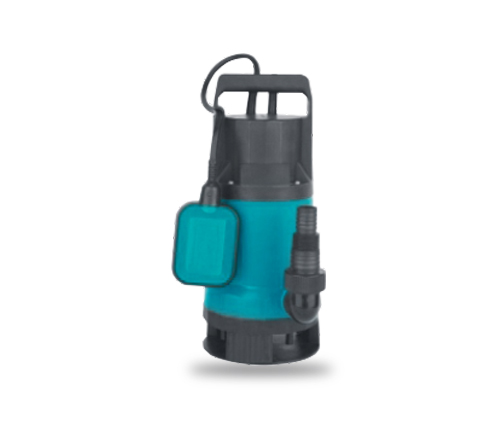
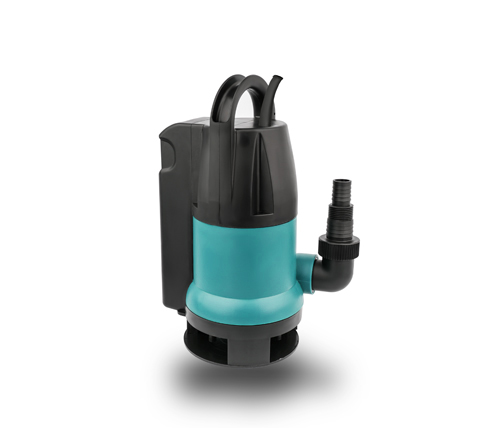
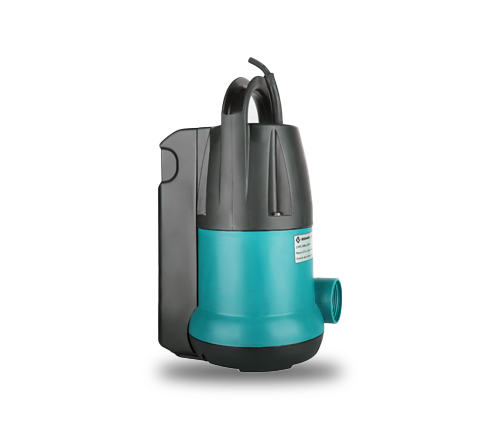
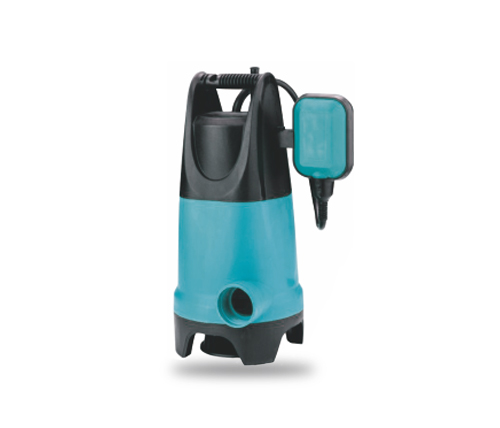
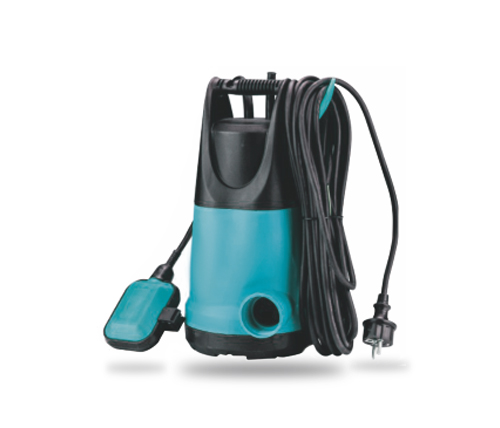
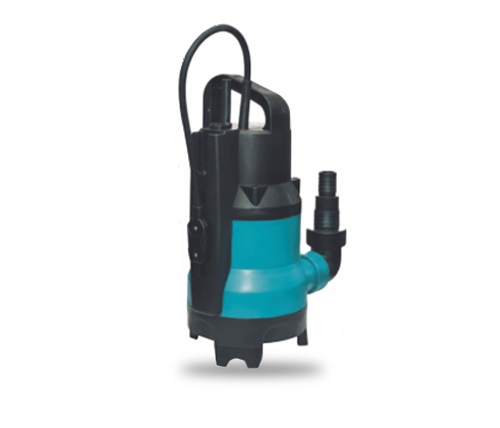


A Submersible Pump is a critical tool for moving water and other fluids from wells, tanks, or reservoirs. Unlike surface pumps, submersible...
READ MOREAccess to groundwater is a critical concern for agriculture, residential use, and industrial operations. A borehole pump is designed to ext...
READ MOREA Deep Well Pump is designed to draw water from wells that are significantly deeper than standard household sources. These pumps are widely...
READ MOREWater management is an essential part of agriculture, and efficient irrigation systems depend on reliable pumps. An Irrigation Pump Factory...
READ MOREA submersible pump factory is responsible for producing pumps that operate fully underwater while maintaining stable performance. These pump...
READ MOREWhile technically possible in some low-demand scenarios, it is generally not recommended. Irrigation pumps are typically designed for higher pressure to operate sprinklers or drip lines and may be too powerful for a delicate fountain, causing excessive splash and turbulence. Conversely, a fountain pump lacks the pressure needed for effective irrigation. Furthermore, fountain pumps often have built-in filters for debris that can clog with garden soil. For performance and efficiency, selecting a pump designed for the specific task is advisable.
Begin by ensuring the power supply is active and the outlet is functioning. Next, unplug the pump and remove it from the water for inspection. The common issues are clogging and blockage. Check the pump's intake area and impeller housing for accumulated debris such as leaves, pond sludge, or tangled algae. Clean these thoroughly. Also, inspect the power cable for any visible damage. For pumps with a separate filter, clean or replace the filter media as per the manufacturer's instructions before reassembling and testing.
This depends entirely on the pump's placement. Self-priming pumps are crucial for surface or above-ground pumps used for emptying pools or pumping from rain barrels. They can expel air from their suction hose and draw water up from a lower level. For submersible pumps, which are placed directly in the water source, a self-priming function is unnecessary, as the pump casing is always filled with water. Always match the pump type to your installation method.
For a healthy, balanced garden pond, the pump and its associated filter system should operate continuously, 24 hours a day. This constant circulation is fundamental for several key biological and aesthetic reasons.
Primarily, a pond pump drives the water through a filtration system. Beneficial bacteria that colonize the filter media require a constant flow of oxygenated water to survive and function. These bacteria are responsible for the nitrogen cycle, breaking down harmful ammonia from fish waste into less toxic nitrates. Turning the pump off, even for several hours, can starve these bacteria of oxygen, causing them to die off and a dangerous accumulation of toxins when the pump is restarted.
Continuous operation ensures even oxygen distribution throughout the water column. Fish and other aquatic life depend on dissolved oxygen in the water to breathe. Stagnation, especially during warm weather when oxygen levels naturally drop, can bring about stress, illness, and, in severe cases, fish mortality. Constant movement at the water's surface also promotes gas exchange, allowing carbon dioxide to escape and oxygen to enter.
While the pump itself should run continuously, the duration of accompanying features like waterfalls or fountains can be adjusted. If the primary pump also powers a waterfall, running it constantly is ideal. For a separate, purely decorative fountain pump connected to lighting, using a timer to operate it only during daytime or evening hours when it can be appreciated is a common and acceptable practice for energy management. The core circulation for pond health, however, should remain uninterrupted.
A typical submersible fountain pump is a compact, integrated unit designed to be reliable and easy to install. Its operation relies on a few key components working in unison.
+86-13586290903 (WhatsApp)
Xuri Gongliang Cutting Tool Entrepreneurship Park, Wenqiao Town, Wenling City, Taizhou City, Zhejiang Province, China

Garden Pump Manufacturer


 English