
View All Products
en
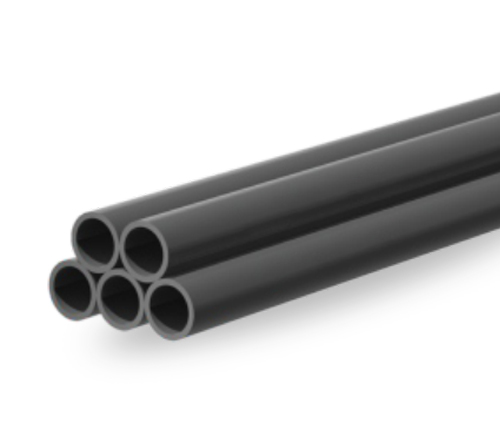
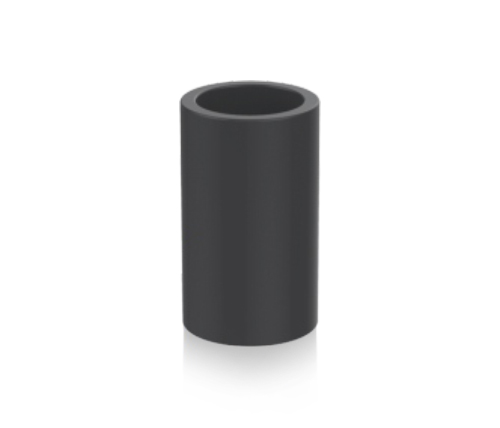
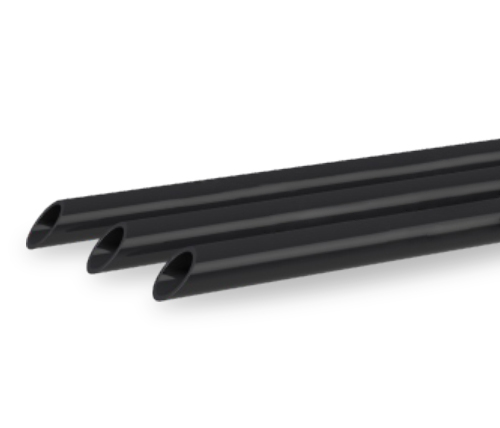
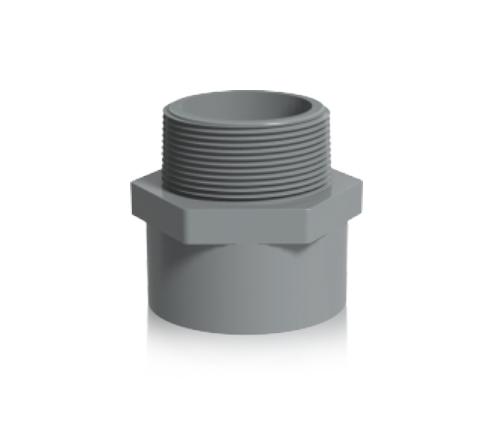
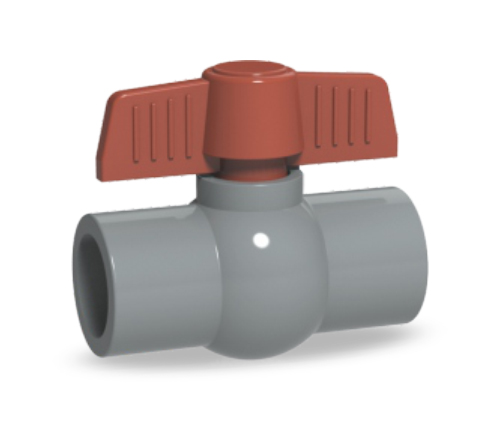
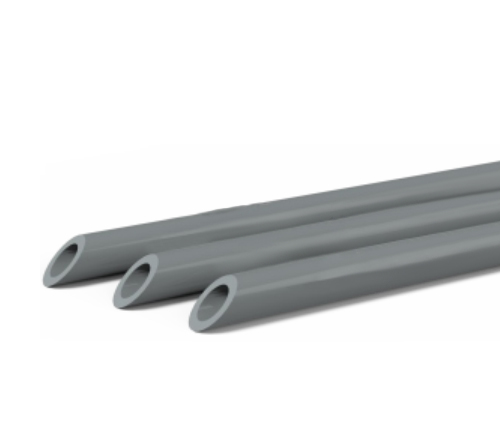
Welcome to our comprehensive range of pipes and valves
At EDWIN, we proudly offer a diverse and high-quality range of pipes and valves to suit a wide range of industries and applications. We provide products made from the quality materials, ensuring durability, reliability, and efficiency in every installation.
Key Features of our pipes and valves:
|
Wide Range of Materials: Choose from a wide range of materials, including PVC, UPVC, CPVC, PP, etc., each selected for its specific properties to suit different environments and pressures. |
|
Diverse Applications: Our products are designed for use in residential, commercial and industrial settings, covering plumbing, heating, gas and water management systems. |
|
Quality Assurance: Each pipe and valve undergoes rigorous quality control measures to meet industry standards and ensure leak-free and long-lasting performance. |
|
Easy Installation: Our products are designed with easy installation in mind, with user-friendly designs that save time and reduce project complexity. |
|
Customization Options: We understand that not all projects are the same. That’s why we offer customization options to meet the unique requirements of your project. |

A Submersible Pump is a critical tool for moving water and other fluids from wells, tanks, or reservoirs. Unlike surface pumps, submersible...
READ MOREAccess to groundwater is a critical concern for agriculture, residential use, and industrial operations. A borehole pump is designed to ext...
READ MOREA Deep Well Pump is designed to draw water from wells that are significantly deeper than standard household sources. These pumps are widely...
READ MOREWater management is an essential part of agriculture, and efficient irrigation systems depend on reliable pumps. An Irrigation Pump Factory...
READ MOREA submersible pump factory is responsible for producing pumps that operate fully underwater while maintaining stable performance. These pump...
READ MOREA plumbing system utilizes various materials and control mechanisms, each suited to specific applications, pressures, and fluids.
Common Types of Pipes:
Common Types of Valves:
The operational lifespan of a water pump check valve is not defined by a universal number of years, as it is influenced by several interacting factors related to material, system conditions, and usage patterns. A well-maintained check valve in a residential water system may function effectively for a decade or more, while one in a demanding industrial application may require replacement sooner.
The primary determinant is the valve material and construction quality. Check valves made of durable materials like brass, stainless steel, or high-grade thermoplastics generally outlast those made of lower-grade plastics or metals prone to corrosion. The system water quality plays a significant role. Water containing sand, grit, or other abrasive particles can cause wear on the valve's sealing surface (the seat) and its moving mechanism (the clapper or spring), a failure to seal properly. Similarly, water with high mineral content can bring about scale buildup, which can impede the valve's movement.
The operational dynamics of the system are equally critical. A phenomenon known as water hammer—the shockwave caused by the sudden stopping or changing direction of water flow—places substantial stress on a check valve. Repeated water hammer events can prematurely damage the valve's internal components or weaken its structure. Finally, the correct sizing and installation of the valve are foundational. A valve that is too small for the flow rate will cause excessive turbulence and wear, while one installed backward will not function at all. Improper installation without adequate support can also bring about stress and leaks.
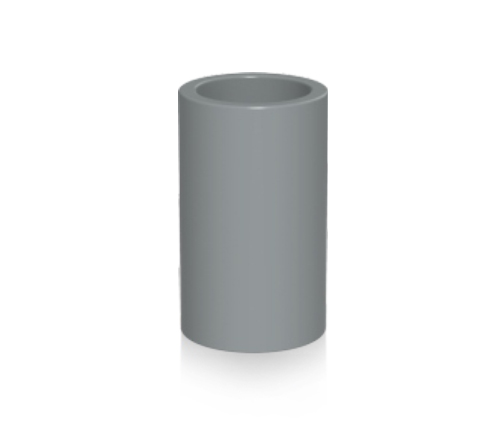
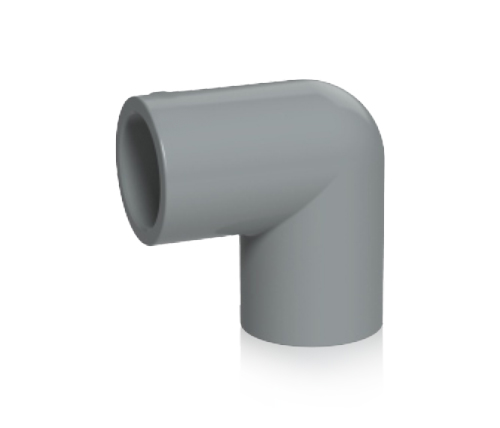
Replacing a leaking or damaged connector fitting, such as a coupling, elbow, or union, requires a methodical approach to ensure a safe and watertight result.
1. Shut Off Water and Relieve Pressure: Locate and close the main water shut-off valve for the house or the local isolation valve for the specific line. Open faucets at the points in the house to drain the relevant pipes and relieve any residual pressure.
2. Prepare the Work Area: Place a bucket or towels under the fitting to catch any remaining water in the pipe. For soldered (sweat) copper joints, ensure the area is clear of flammable materials and have a fire extinguisher readily available.
3. Remove the Old Fitting: Using appropriate tools—such as a pipe wrench for threaded fittings, a tubing cutter for clean cuts on copper or plastic, or a saw for PVC—remove the damaged fitting. For soldered copper, heat the joint evenly with a torch until the solder melts, then pull the fitting off with pliers. Always allow a recently soldered joint to cool completely before handling.
4. Prepare the Pipe Ends: Thoroughly clean and deburr the cut ends of the pipe. For a new soldered joint, clean the outside of the pipe and the inside of the fitting with emery cloth until shiny, then apply flux. For a threaded joint, wrap plumber's tape clockwise around the male threads or apply pipe thread sealant. For a PEX or CPVC connection, ensure the pipe end is square and smooth.
+86-13586290903 (WhatsApp)
Xuri Gongliang Cutting Tool Entrepreneurship Park, Wenqiao Town, Wenling City, Taizhou City, Zhejiang Province, China

Pipes & Valves Manufacturer


 English