
View All Products
en

A Submersible Pump is a critical tool for moving water and other fluids from wells, tanks, or reservoirs. Unlike surface pumps, submersible...
READ MOREAccess to groundwater is a critical concern for agriculture, residential use, and industrial operations. A borehole pump is designed to ext...
READ MOREA Deep Well Pump is designed to draw water from wells that are significantly deeper than standard household sources. These pumps are widely...
READ MOREWater management is an essential part of agriculture, and efficient irrigation systems depend on reliable pumps. An Irrigation Pump Factory...
READ MOREA submersible pump factory is responsible for producing pumps that operate fully underwater while maintaining stable performance. These pump...
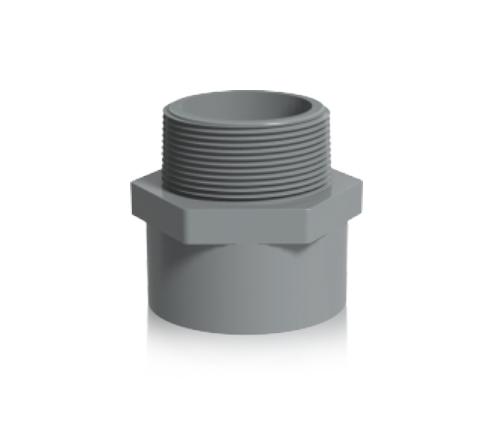
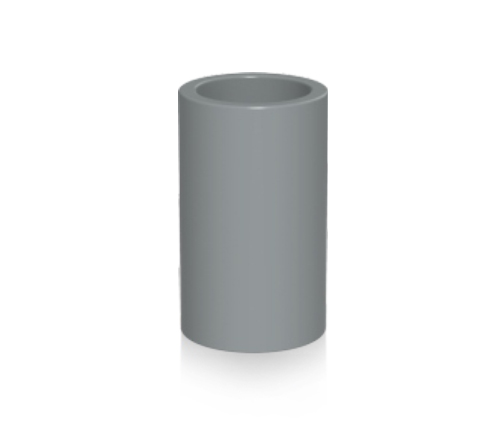
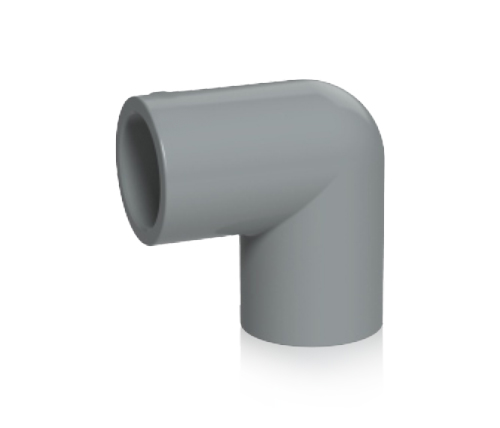
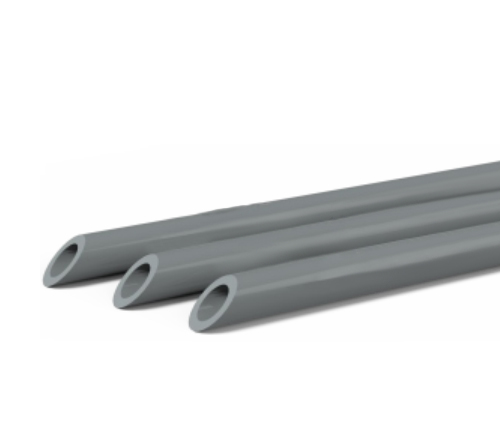
READ MORECPVC series pipes and fittings are designed to handle higher temperatures and a broader range of applications than standard PVC. One of their common uses is in hot and cold potable water distribution systems. CPVC can safely convey hot water at temperatures that exceed the limits of PVC, making it suitable for residential, commercial, and institutional plumbing networks.
Another important application is fire sprinkler systems. CPVC is frequently used in light hazard and ordinary hazard fire protection installations. Its smooth internal surface supports stable flow, and its material properties meet relevant fire safety and pressure standards when installed according to approved guidelines.
CPVC piping is also used in industrial process piping. Many industrial fluids, including acids, bases, and salts, are compatible with CPVC. This makes it suitable for chemical processing, water treatment, and manufacturing facilities where corrosion resistance is required but metal piping may be unnecessary or cost-prohibitive.
In HVAC and chilled water systems, CPVC is applied for condenser water lines and auxiliary piping where moderate temperatures and pressures are present. Its resistance to scaling and biological growth contributes to system efficiency over time.
Another notable use is in wastewater and drainage systems that involve elevated temperatures. Compared with PVC, CPVC maintains its structural integrity when exposed to warmer effluents, such as those discharged from commercial kitchens or industrial washing processes.
CPVC series fittings are widely used in retrofit and renovation projects. Their lightweight nature, ease of installation, and solvent cement joining method reduce labor requirements and installation time, especially in confined spaces.
Although CPVC and PVC systems appear similar, they differ in material performance, application scope, and installation considerations. The following sections outline these differences under three key aspects.
1. Temperature and Pressure Performance
2. Chemical Resistance and Application Range
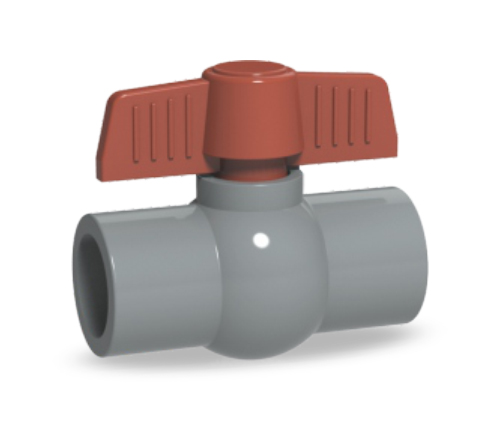
CPVC valves are often selected for industrial or fire protection systems where both chemical exposure and thermal stability are required, while PVC valves are commonly used in irrigation and non-heated fluid transfer.
3. Installation, Cost, and Standards
+86-13586290903 (WhatsApp)
Xuri Gongliang Cutting Tool Entrepreneurship Park, Wenqiao Town, Wenling City, Taizhou City, Zhejiang Province, China

CPVC Series Piping System Manufacturer


 English