
View All Products
en
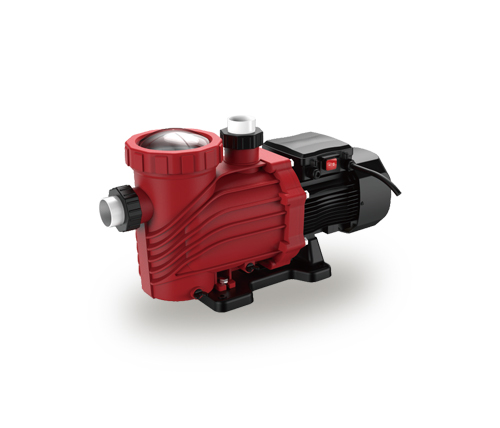
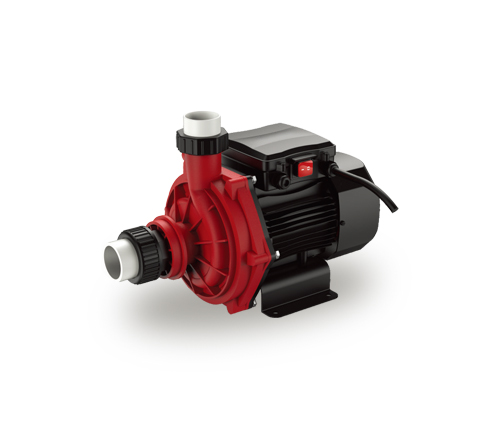
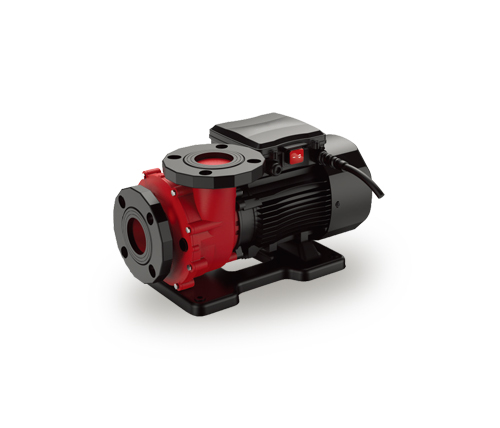
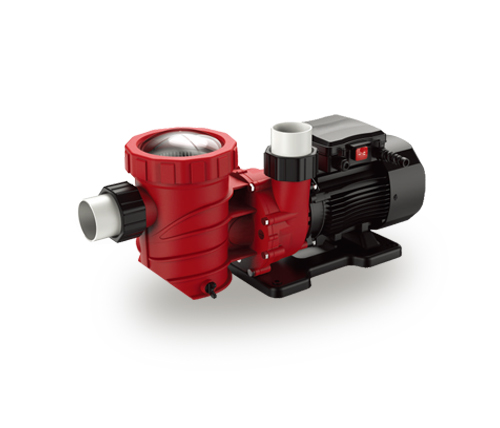
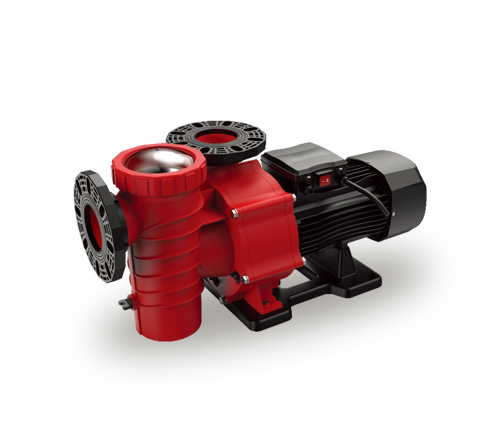
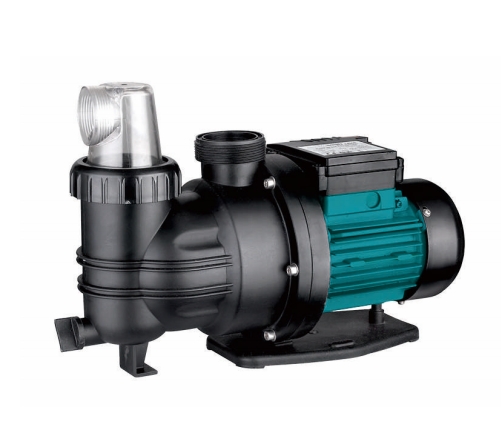
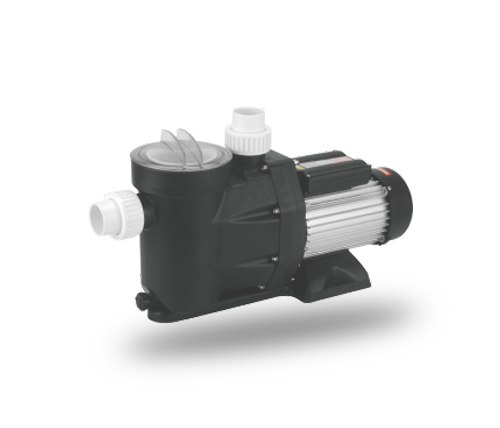
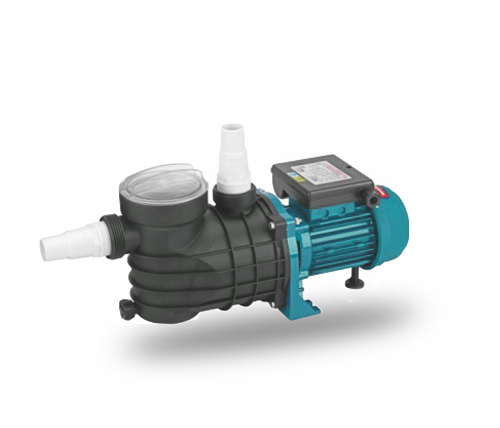
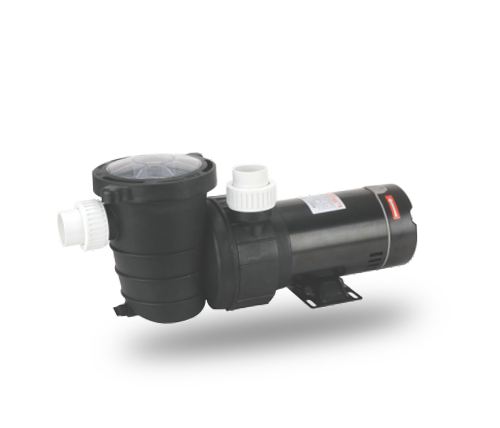
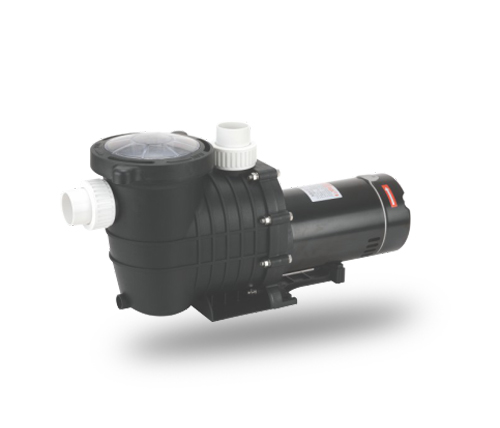
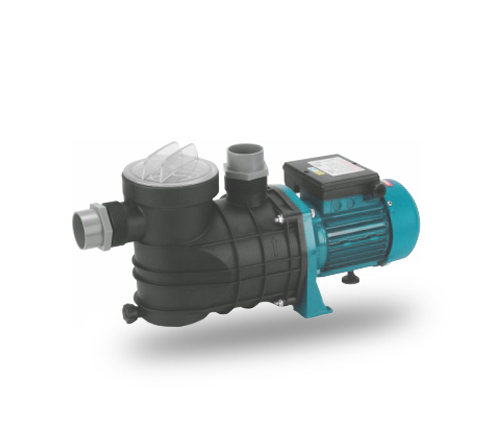
A pool and spa pump is a crucial component in any pool or spa system. It is responsible for circulating water, which helps keep the water clean and clear and also helps distribute chemicals evenly throughout the water. A high-quality pool and spa pump can also improve the performance of your pool or spa and extend its lifespan. There are several different types of pool and spa pumps available, including single-speed, dual-speed, and variable-speed pumps. Single-speed pumps run at one constant speed, while dual-speed pumps have two speeds, typically low and high. Variable-speed pumps can adjust their speed to match the needs of your pool or spa, providing greater efficiency and savings on energy costs. When choosing a pool and spa pump, it is important to consider the size of your pool or spa and the type of filtration system you have. The size of your pool or spa will determine the flow rate required for efficient operation, and the type of filtration system will determine the type of pump needed. For example, sand filters require a different type of pump than a cartridge filter system. One of the most important factors to consider when choosing a pool and spa pump is its energy efficiency. Energy-efficient pumps use less energy, which can result in significant savings on your energy bills. The energy efficiency of a pump is often measured by its horsepower (HP) and its electrical consumption. The higher the HP, the more energy the pump will consume.

A Deep Well Pump is designed to draw water from wells that are significantly deeper than standard household sources. These pumps are widely...
READ MOREWater management is an essential part of agriculture, and efficient irrigation systems depend on reliable pumps. An Irrigation Pump Factory...
READ MOREA submersible pump factory is responsible for producing pumps that operate fully underwater while maintaining stable performance. These pump...
READ MOREA borehole pump manufacturer plays an important role in water supply systems, especially in areas where surface water is limited. Borehole p...
READ MOREWater drawn from deep underground plays a key role in agriculture, industry, and residential supply. Behind this process is a Deep Well Pump...
READ MOREDesign Purpose and Operating Conditions
Pool pumps and spa pumps are both used to circulate water, but they are designed for different operating conditions. Pool pumps are built to move large volumes of water over extended periods, often running for several hours a day to maintain water clarity and proper chemical distribution. They typically operate at moderate pressure and focus on steady, continuous circulation. In contrast, spa pumps are designed for shorter operating cycles and higher pressure output. Spas require strong water flow to drive jets that provide massage and hydrotherapy effects, which places different mechanical demands on the pump.
Flow Rate and Pressure Requirements
Another key difference lies in flow rate and pressure. Pool pumps prioritize high flow rates to efficiently filter water through large pool systems. Pressure requirements are relatively stable and predictable. Spa pumps, however, must deliver higher pressure to power multiple jets simultaneously. This often means spa pumps have more powerful motors and impellers optimized for pressure rather than volume. As a result, spa pumps can feel noticeably stronger when in operation, even though they may move less total water than a pool pump.
Installation, Noise, and Energy Use
Installation and usage patterns also vary. Pool pumps are usually installed outdoors in dedicated equipment areas and are designed for long service life under continuous operation. Noise control and energy efficiency are important considerations due to extended run times. Spa pumps are often installed closer to the spa shell and may operate indoors or in enclosed spaces. While they typically run for shorter durations, they can consume more power during operation. These differences influence how each pump is selected, installed, and maintained.
Variable and two speed pumps are designed to improve efficiency and flexibility in water circulation systems. A two speed pump operates at two fixed motor speeds: a low speed and a high speed. The low speed is commonly used for routine circulation and filtration, where less power is required. The high speed is activated when greater flow or pressure is needed, such as during backwashing, cleaning, or operating water features. This design allows users to balance energy use with performance demands.
A variable speed pump offers a wider range of control by allowing the motor speed to be adjusted across multiple settings. Instead of switching between two fixed speeds, the pump can be programmed to run at specific speeds tailored to different tasks. For example, it may operate at a very low speed for basic circulation and ramp up for heating or spa jet operation. This precise control can significantly reduce energy consumption over time, as the pump only uses the power necessary for each function.
The production of SPA jet pumps follows a structured sequence to ensure consistent quality and reliable performance. Below is the typical order of steps involved in the manufacturing process.
Design and Engineering
The process begins with product design and technical planning. Engineers define performance requirements such as flow rate, pressure, motor power, and compatibility with spa systems. Material selection and component specifications are finalized at this stage.
Raw Material Preparation
Materials such as stainless steel shafts, copper windings, engineering plastics, and motor laminations are sourced and inspected. Quality checks ensure that raw materials meet required standards before production begins.
Component Manufacturing
Individual parts are produced, including pump housings, impellers, seals, and motor components. Processes such as casting, injection molding, machining, and stamping are used depending on the part type.
Motor Assembly
The electric motor is assembled by installing windings, bearings, rotors, and stators. Electrical insulation and alignment are carefully controlled to ensure efficiency and safety.
Pump Assembly
The motor is integrated with the pump housing, impeller, and shaft seal. Proper alignment and torque settings are applied to prevent leakage and vibration during operation.
Performance Testing
Each assembled pump undergoes functional testing. Flow rate, pressure, electrical parameters, and noise levels are measured to verify compliance with design specifications.
Final Inspection and Packaging
After passing all tests, the pump is visually inspected, labeled, and packaged for shipment. Documentation and quality records are completed before distribution.
+86-13586290903 (WhatsApp)
Xuri Gongliang Cutting Tool Entrepreneurship Park, Wenqiao Town, Wenling City, Taizhou City, Zhejiang Province, China

Pool And Spa Pump Manufacturer


 English