View All Products
en
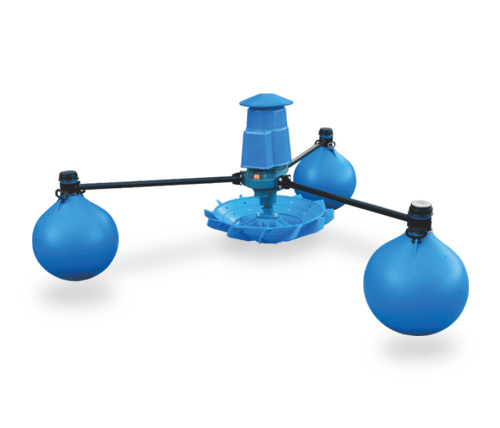
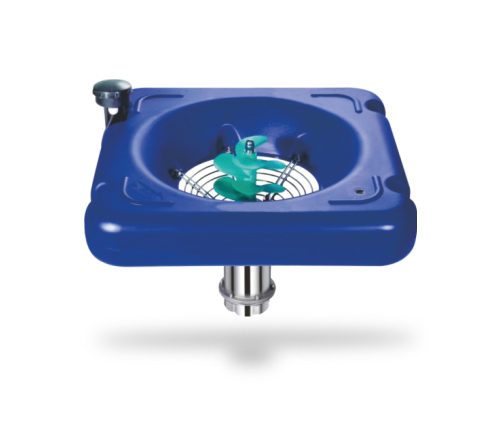
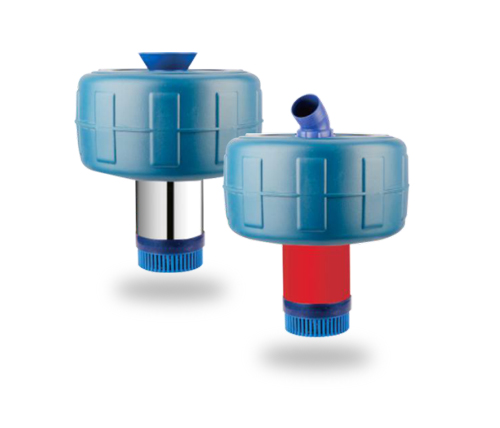
The DC Solar Aerator series is our company's high-efficiency DC solar aeration solution specifically designed for water body oxygenation and ecological restoration applications.
The product operates directly on solar power, eliminating the need for grid connection, significantly reducing operating and maintenance costs, and ensuring stable aeration capabilities even in remote areas. As a professional solar pump equipment manufacturer, we prioritize reliability, intelligence, and environmental adaptability in our design.
• Enhanced Water Oxygenation Efficiency and Operational Safety: The system is equipped with a DC brushless aeration pump, check valve protection device, and overcurrent and overvoltage protection modules, ensuring long-term continuous operation unaffected by load fluctuations. A controller can be matched to maximize solar energy utilization.
• Intelligent Monitoring and Management: Some models have a built-in data acquisition module for real-time monitoring of pump speed, voltage, current, and system operating status, enabling remote data reading and rapid fault diagnosis, facilitating operation and maintenance management of aquaculture farms and landscape lakes.
• Weather-Resistant Structure and Professional Engineering Design: The equipment uses UV-resistant engineering plastic or aluminum alloy casing, with a protection rating of up to IP65; optional features include temperature rise protection, water level monitoring, and anti-clogging impeller, ensuring stable output even in high-temperature, humid, and corrosive environments.
Water management is an essential part of agriculture, and efficient irrigation systems depend on reliable pumps. An Irrigation Pump Factory...
READ MOREA submersible pump factory is responsible for producing pumps that operate fully underwater while maintaining stable performance. These pump...
READ MOREA borehole pump manufacturer plays an important role in water supply systems, especially in areas where surface water is limited. Borehole p...
READ MOREWater drawn from deep underground plays a key role in agriculture, industry, and residential supply. Behind this process is a Deep Well Pump...
READ MOREEfficient irrigation plays a key role in modern agriculture, landscaping, and water management projects. An experienced Irrigation Pump Fact...
READ MOREDC solar aerators are widely used in aquaculture, fish farming, and small water bodies to provide oxygenation using solar power. These systems operate without a conventional power source, making them energy-efficient and environmentally friendly. However, like any technology, they come with both advantages and disadvantages.
|
Aspect |
Advantages |
Disadvantages |
|
Energy Source |
Powered by sunlight, reducing electricity costs and enabling off-grid use |
Dependent on sunlight; performance drops on cloudy days or at night |
|
Environmental Impact |
Zero emissions during operation; sustainable and eco-friendly |
Limited control over oxygen delivery during prolonged low-light periods |
|
Operational Cost |
Minimal operational cost after installation |
Initial investment can be higher than conventional aerators |
|
Maintenance |
Fewer moving parts; easy to maintain |
Sensitive to shading, dirt, or debris on solar panels |
|
Installation Flexibility |
Can be installed in remote ponds or lakes without grid connection |
Limited water depth and pond size coverage compared to large motorized aerators |
|
Durability |
DC motors are long-lasting if properly maintained |
Solar panels and electronic controllers may degrade over time |
DC solar aerators are particularly advantageous in regions with abundant sunlight, providing consistent aeration without ongoing electricity costs. Their limitations mainly relate to variable solar conditions and the need for proper sizing to meet pond or water body requirements.
A solar pond aerator is a device that uses solar energy to supply oxygen to ponds, lakes, or reservoirs, enhancing water quality and supporting aquatic life. These aerators work by drawing air or water and distributing it in the pond to prevent stagnation, promote circulation, and maintain dissolved oxygen levels.
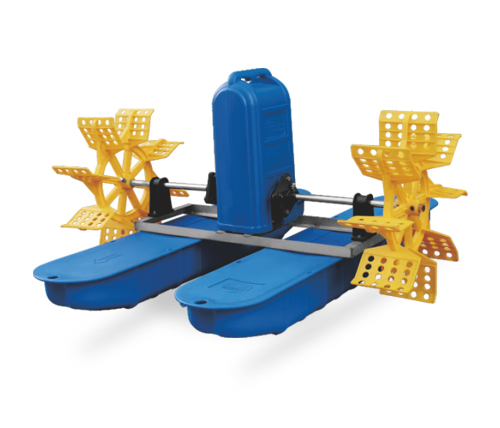
The system typically consists of a solar panel array, a DC motor, and an aeration mechanism such as a diffuser or paddle wheel. Solar energy powers the motor, which drives the aeration process, creating bubbles or water movement that oxygenates the pond. Unlike conventional aerators, solar pond aerators operate independently of the electrical grid, making them suitable for remote or off-grid locations.
Solar pond aerators are widely used in aquaculture, improving fish and shrimp health by maintaining dissolved oxygen levels. They also help prevent algal blooms by circulating water and reducing nutrient stratification. Additionally, these aerators are employed in landscape water features or small reservoirs to improve water clarity and aesthetics.
The simplicity and low operational cost of solar pond aerators make them an environmentally friendly option for pond management. Regular maintenance, such as cleaning solar panels and checking diffusers, ensures continuous and effective operation.
Solar paddle wheel aerators are commonly used in aquaculture ponds and small water bodies. They are generally effective in improving water oxygenation and circulation. Key points include:
Energy Independence
Powered entirely by solar panels, reducing electricity costs.
Can operate in off-grid locations, ideal for rural or remote areas.
Enhanced Water Circulation
The rotating paddle wheel agitates the water surface, promoting oxygen transfer.
Helps prevent thermal stratification and stagnation, which improves overall water quality.
Aquaculture Benefits
Maintains higher dissolved oxygen levels, supporting fish and shrimp growth.
Reduces stress on aquatic species by stabilizing water conditions.
Environmental Advantages
Operates without emissions or fuel consumption, making it environmentally sustainable.
Quiet operation reduces disturbance to surrounding wildlife.
Limitations
Performance is dependent on sunlight intensity; efficiency decreases during cloudy periods or at night.
Requires proper sizing relative to pond area and depth for oxygenation.
Initial cost may be higher than small conventional aerators, although operational costs are lower.
Maintenance Considerations
Solar panels should be cleaned regularly to maintain output.
Mechanical parts like bearings and paddles need periodic inspection to ensure smooth operation.
Solar paddle wheel aerators are effective for small to medium ponds when properly sized and maintained. They provide sustainable, low-cost aeration while reducing dependency on the electrical grid.
+86-13586290903 (WhatsApp)
Xuri Gongliang Cutting Tool Entrepreneurship Park, Wenqiao Town, Wenling City, Taizhou City, Zhejiang Province, China

DC Solar Aerator Manufacturer


 English