View All Products
en
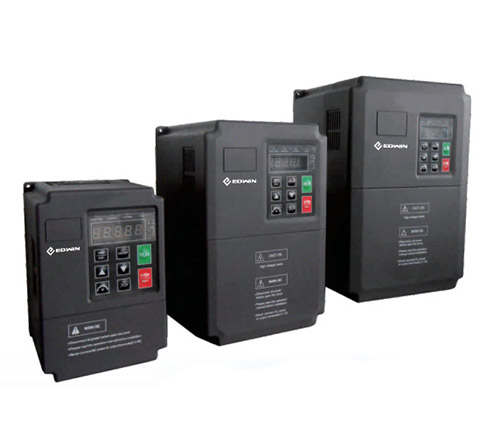
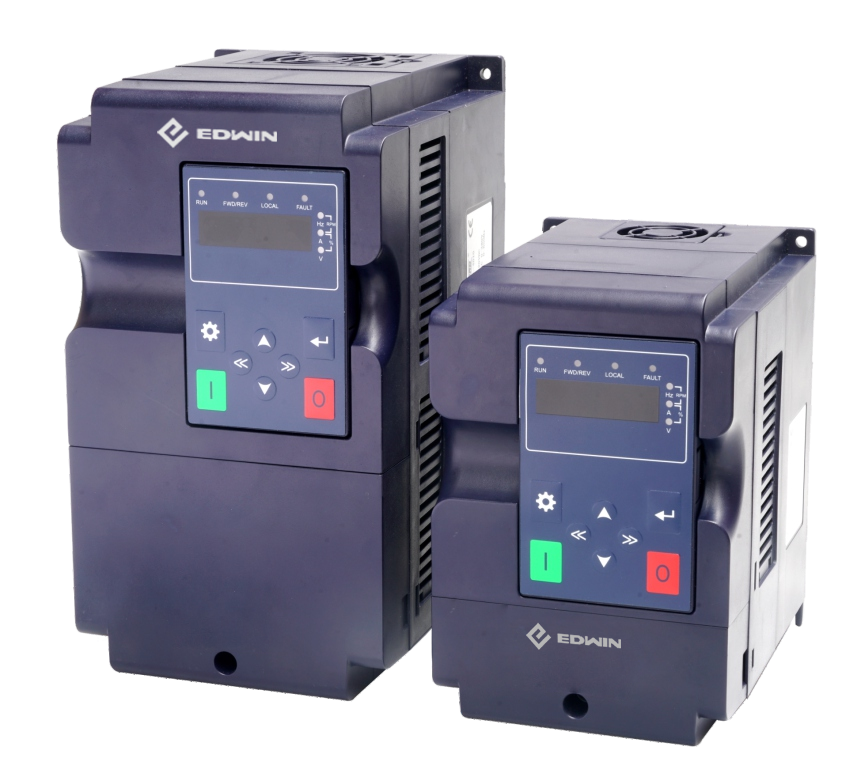
An inverter is a power conversion device that efficiently transforms direct current (DC) from sources like batteries or solar panels into alternating current (AC), the standard electricity required to run most household appliances, power tools, and electronic equipment. By performing this essential DC to AC conversion, our inverters provide stable, high-quality power for a wide range of applications, from mobile offices and outdoor adventures to residential backup power and industrial systems.
Our inverters are engineered for superior performance and reliability in diverse conditions.
Stable Output Voltage and Frequency: Utilizing advanced high-frequency switching technology and PWM (Pulse Width Modulation) control, our inverters maintain a stable output (e.g., 220V/50Hz or 110V/60Hz) even with fluctuations in input DC voltage, ensuring your devices operate safely and effectively.
High Efficiency and Energy Saving: With maximum efficiency ratings, our inverters ensure minimal energy is wasted as heat during the conversion process. This is particularly crucial for solar energy systems and battery-powered applications, as it directly translates to longer backup times and lower operating costs.
Comprehensive Safety Systems: Built-in multi-protection mechanisms automatically shut down the unit in case of abnormal conditions like overload or short circuit, safeguarding both the inverter and your connected devices. The robust aluminum casing offers excellent heat dissipation and physical durability.

A Submersible Pump is a critical tool for moving water and other fluids from wells, tanks, or reservoirs. Unlike surface pumps, submersible...
READ MOREAccess to groundwater is a critical concern for agriculture, residential use, and industrial operations. A borehole pump is designed to ext...
READ MOREA Deep Well Pump is designed to draw water from wells that are significantly deeper than standard household sources. These pumps are widely...
READ MOREWater management is an essential part of agriculture, and efficient irrigation systems depend on reliable pumps. An Irrigation Pump Factory...
READ MOREA submersible pump factory is responsible for producing pumps that operate fully underwater while maintaining stable performance. These pump...
READ MORESelecting the correct inverter is a matching process that ensures compatibility and maximizes the entire system's potential. The choice is dictated by the pump's specifications and the desired system capabilities.
A Solar Photovoltaic (PV) Pump Inverter, often simply called a solar pump controller or variable frequency drive (VFD) for solar, serves as the essential intermediary and brain of an AC solar pumping system. Its core function is to dynamically manage the conversion and delivery of solar power to run a standard AC submersible or surface pump efficiently and safely.
Fundamentally, it performs a DC-to-AC conversion. It takes the variable direct current (DC) electricity produced by the solar panel array and inverts it into alternating current (AC) with the correct voltage and frequency to power the pump motor. However, its role is far more sophisticated than simple conversion. Its critical function is Maximum Power Point Tracking (MPPT). Solar panels have a specific voltage and current combination (the Maximum Power Point) at which they generate the power, and this point changes continuously with sunlight intensity and temperature. The inverter's MPPT algorithm constantly scans and adjusts the electrical load to keep the panels operating at this point, maximizing energy harvest, often increasing yield by 20-30% compared to a direct connection.
The inverter acts as a system protector and optimizer. It regulates the output frequency to control the pump's speed. When sunlight is abundant, it runs the pump at full speed for maximum flow; as clouds pass or light fades, it smoothly reduces the pump's speed to match the available power, preventing stalling and enabling operation in low-light conditions. It also continuously monitors system parameters, implementing protections against faults like dry running (no water), motor overload, input overvoltage, and short circuits, thereby safeguarding the significant investment in both pump and panels.
A Smart Pump Inverter Drive represents an evolution beyond basic control, integrating digital intelligence for enhanced performance, efficiency, and system management. These drives incorporate microprocessors and communication technologies to provide comprehensive oversight and automation.
+86-13586290903 (WhatsApp)
Xuri Gongliang Cutting Tool Entrepreneurship Park, Wenqiao Town, Wenling City, Taizhou City, Zhejiang Province, China

Inverter For Solar Pump Manufacturer


 English