
View All Products
en
The primary function of a clean water submersible pump is to pump water to the surface, and it operates by creating a vacuum that pulls the water to the surface. The water is then transported through pipes to the point of use, such as a home, factory, or farm. The pump can be powered by electricity or a diesel engine, and it can be installed either above or below ground. One of the major benefits of a clean water submersible pump is that it is highly reliable. Unlike other types of pumps, submersible pumps are not exposed to the elements and therefore, are less likely to break down. Additionally, because the pump is located underwater, it operates quietly, making it a great option for residential use. Another benefit of a clean water submersible pump is that it is very energy efficient. The pump operates using a fraction of the energy required by traditional pumps, and this means that it will cost less to run and will also have a smaller carbon footprint. Additionally, because the pump is designed to operate underwater, it is less likely to become clogged with debris or sediment, which can reduce its efficiency. A clean water submersible pump is also easy to install and maintain. Most pumps come with detailed instructions, and they can be installed by anyone with basic plumbing skills. Once installed, the pump requires very little maintenance, and it can last for many years with proper care. Another advantage of a clean water submersible pump is that it is very versatile. It can be used for a wide range of applications, such as irrigation, drinking water, and industrial processes. Additionally, the pump can be used in a variety of environments, including both fresh and saltwater.
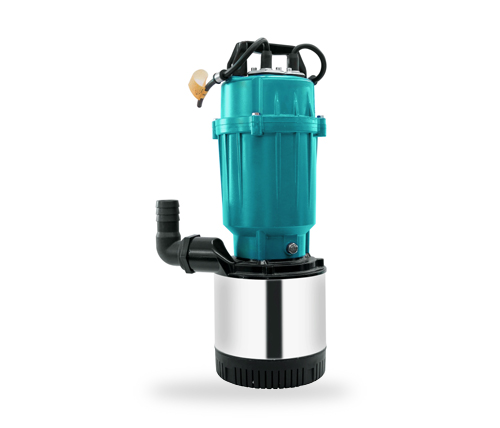
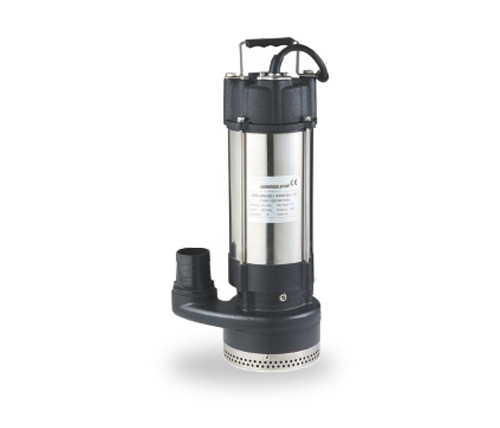
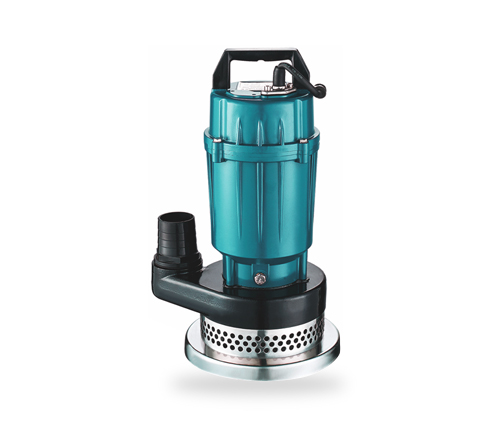
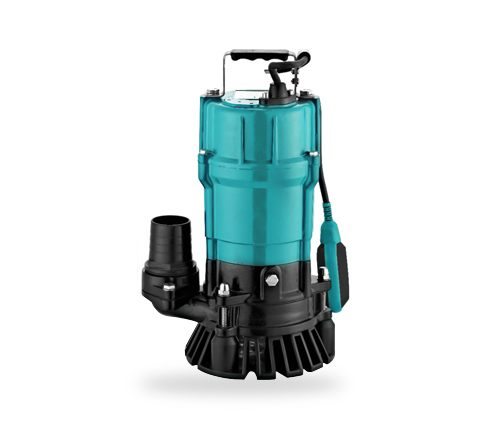
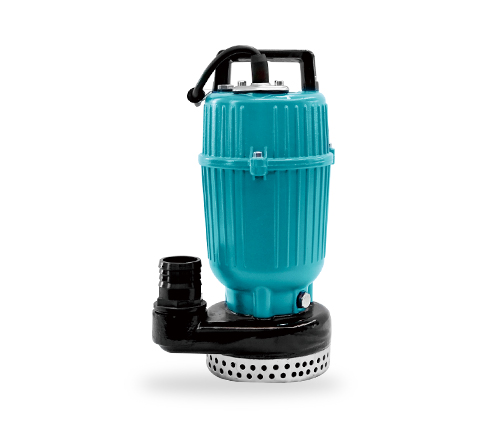
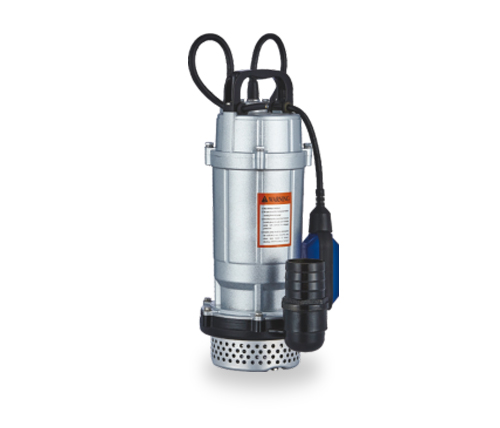

A Submersible Pump is a critical tool for moving water and other fluids from wells, tanks, or reservoirs. Unlike surface pumps, submersible...
READ MOREAccess to groundwater is a critical concern for agriculture, residential use, and industrial operations. A borehole pump is designed to ext...
READ MOREA Deep Well Pump is designed to draw water from wells that are significantly deeper than standard household sources. These pumps are widely...
READ MOREWater management is an essential part of agriculture, and efficient irrigation systems depend on reliable pumps. An Irrigation Pump Factory...
READ MOREA submersible pump factory is responsible for producing pumps that operate fully underwater while maintaining stable performance. These pump...
READ MOREThe design of a clean water submersible pump is optimized for silent, vibration-minimized, and cooling-efficient operation while fully submerged. Key features include:
The motor is the heart of the submersible pump, and its selection is dictated by the need for reliability in a challenging environment. The predominant type used is a hermetically sealed, squirrel-cage induction motor, cooled by the surrounding water.
Construction and Cooling: These motors are either oil-filled or water-lubricated (water-filled). Oil-filled motors use refined dielectric oil for internal lubrication, heat transfer, and corrosion inhibition. Water-lubricated models use the pumped water itself (clean) to lubricate specially designed ceramic or polymer bearings, eliminating the risk of oil leakage and often allowing a slimmer design.
Phase and Power: For residential and smaller commercial applications, single-phase motors with built-in start/run capacitors are prevalent, compatible with standard household power. For industrial, agricultural, and larger municipal systems, three-phase motors are standard due to their higher efficiency, greater starting torque, simpler design (no capacitors needed), and ability to handle higher power demands.
Material and Insulation: Stator windings are insulated with high-grade, moisture-resistant materials like polyethylene or polyamide. Critical to longevity is the use of Inverter-Drive (IVD) or Variable Frequency Drive (VFD) rated motor insulation in many modern pumps. This allows for speed control via an external VFD, enabling soft starts (reducing mechanical and electrical stress) and adjustable flow rates without throttling valves. Bearings are typically stainless steel or silicon carbide, chosen for their resistance to corrosion and wear in a water environment.
Modern pump operation extends beyond a simple switch. Integrated control and protection systems are vital for automation, energy efficiency, and preventing damage.
1. Start/Stop Control and Automation
The basic control is a manual pressure switch, which activates the pump when system pressure drops below a set point and stops it when the desired pressure is reached. For more sophisticated automation, electronic pressure transducers coupled with a pump controller provide precise pressure regulation. Float switches are commonly used in tank or reservoir applications to maintain water levels. For multi-pump systems or complex sequences, Programmable Logic Controllers (PLCs) offer advanced logic, timing, and alternation functions to ensure even wear and system redundancy.
2. Motor and System Protection
Integrated protection safeguards the pump from common failure modes. Thermal overload protection, often via internal thermistors, continuously monitors motor winding temperature and cuts power if a dangerous threshold is exceeded. Dry-run protection is critical; sensors can detect low water level, motor current drop, or pump cavitation, shutting down the unit before the seals and bearings overheat due to lack of cooling water. Phase monitoring and voltage protection (for three-phase pumps) guard against phase loss, imbalance, or under/over-voltage conditions that can damage the motor.
3. Variable Speed Drive Integration
The integration of Variable Frequency Drives represents a significant advancement in control. A VFD allows the pump motor speed to be varied, enabling precise constant pressure control regardless of fluctuating demand. This eliminates the pressure spikes and "water hammer" associated with simple on/off cycling, reduces energy consumption significantly at partial loads, and extends the service life of both the pump and the piping system by providing soft start and stop.
+86-13586290903 (WhatsApp)
Xuri Gongliang Cutting Tool Entrepreneurship Park, Wenqiao Town, Wenling City, Taizhou City, Zhejiang Province, China

Clean Water Submersible Pump Manufacturer


 English