View All Products
en
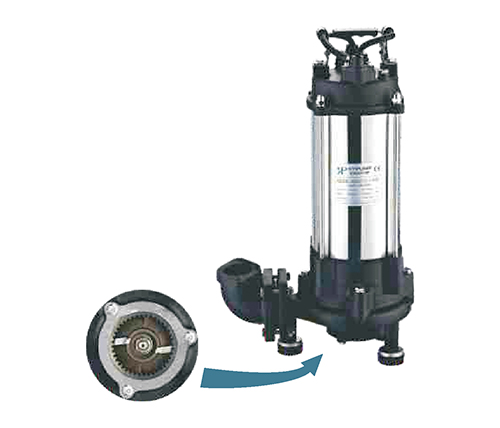
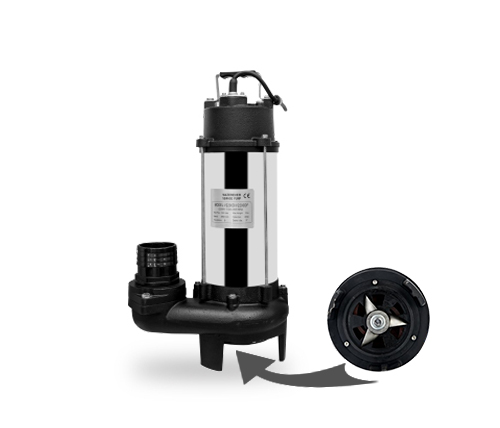
A grinder sewage pump operates by shredding the solid particles present in the wastewater, reducing the size of the solids so they can be easily pumped away. This shredding process is achieved through a grinding mechanism located within the pump itself. The grinder works by breaking down the solids into small particles that can pass through the pump's discharge outlet, thus preventing clogging and blockages. One of the main advantages of using a grinder sewage submersible pump is its ability to handle large quantities of solids. Unlike other types of pumps, grinder pumps are not easily clogged, allowing them to maintain their high-performance levels even when handling large amounts of solids. Additionally, the pump's submersible design ensures that it operates quietly and efficiently, making it an ideal choice for applications where noise levels are a concern. Another key advantage of grinder sewage submersible pumps is their versatility. These pumps are designed to work in a variety of different settings, from homes and small businesses to large industrial plants. Their compact size and portable design make them easy to install and transport, making them an ideal choice for applications where space is limited.

A Submersible Pump is a critical tool for moving water and other fluids from wells, tanks, or reservoirs. Unlike surface pumps, submersible...
READ MOREAccess to groundwater is a critical concern for agriculture, residential use, and industrial operations. A borehole pump is designed to ext...
READ MOREA Deep Well Pump is designed to draw water from wells that are significantly deeper than standard household sources. These pumps are widely...
READ MOREWater management is an essential part of agriculture, and efficient irrigation systems depend on reliable pumps. An Irrigation Pump Factory...
READ MOREA submersible pump factory is responsible for producing pumps that operate fully underwater while maintaining stable performance. These pump...
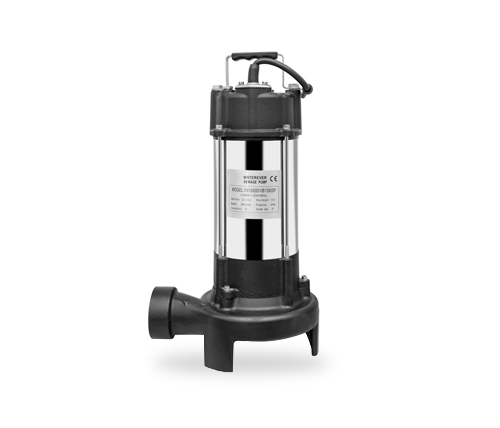
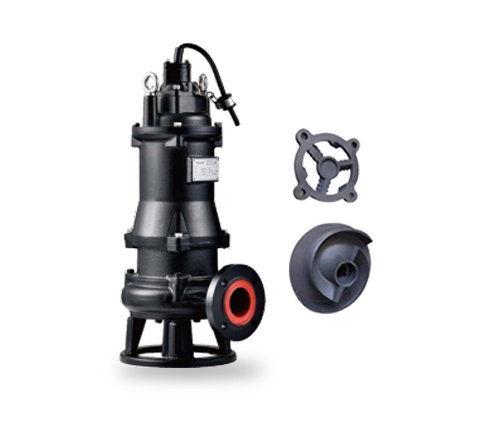
READ MOREGrinder sewage submersible pumps are specialized pumps designed to handle sewage and wastewater containing solids. They combine the features of submersible pumps and grinders, allowing them to macerate solids before pumping. This prevents blockages and ensures smooth operation in municipal, industrial, and residential wastewater management systems.
Key Features and Applications
|
Feature |
Description |
Typical Application |
|
Submersible Design |
Motor and pump are fully submerged in the wastewater |
Reduces priming needs and saves space |
|
Grinding Mechanism |
Macerates solids into fine particles before pumping |
Prevents clogging in pipelines and pump systems |
|
Material Construction |
Typically stainless steel or cast iron |
Provides corrosion and wear resistance in harsh wastewater environments |
|
Capacity |
Varies based on model |
Suitable for municipal sewage, industrial effluent, and residential systems |
|
Maintenance |
Seals and impellers require regular inspection |
Ensures long service life and reliable operation |
Applications of grinder sewage pumps include municipal sewage systems, commercial wastewater treatment, industrial effluent management, and residential or apartment building pumping stations. By reducing solid particle size, these pumps minimize wear on downstream pumps and pipelines, reduce maintenance, and improve overall system efficiency.
The performance of a sewage grinder pump is typically measured in terms of its head and flow rate. The head indicates the maximum vertical height that the pump can lift fluid, while the flow rate refers to the volume of wastewater the pump can move per unit of time, usually measured in cubic meters per hour (m³/h) or gallons per minute (GPM).
For typical grinder sewage submersible pumps:
Head: models provide a head ranging from 5 meters (16 feet) up to 25 meters (82 feet). High-head models are used in taller buildings, pumping stations, or areas requiring significant vertical lift.
Flow Rate: Flow rates vary depending on pump size and application. Common flow rates range from 10 m³/h (44 GPM) to 60 m³/h (264 GPM). High-capacity pumps may achieve over 100 m³/h for industrial applications.
Pump selection should consider both head and flow requirements to avoid underperformance or overloading. Operating beyond the recommended head or flow may cause excessive wear, reduced efficiency, or overheating. Variable frequency drives (VFDs) can help regulate flow according to system demand, improving overall energy efficiency.
In municipal and industrial wastewater applications, selecting a grinder pump with appropriate head and flow ensures reliable handling of sewage with solids, minimizes maintenance, and prevents system blockages.
Submersible grinder pumps are designed to be energy-efficient while handling demanding wastewater conditions. Efficiency is influenced by factors such as impeller design, motor efficiency, and the presence of solids in the pumped fluid. Modern grinder pumps often achieve mechanical efficiencies between 60% and 75%, with overall system efficiency slightly lower due to friction losses in pipelines.
Power Consumption depends on pump size, flow rate, head, and solids content. Typical residential or municipal grinder pumps range from 0.75 kW (1 HP) to 5.5 kW (7.5 HP). Larger industrial units may consume 15–30 kW or more depending on capacity and operating conditions.
Energy consumption can be optimized by:
Regular maintenance, including inspection of seals, impellers, and motor bearings, helps maintain efficiency and reduce unnecessary energy consumption. Corrosion-resistant and wear-resistant materials extend the service life of submersible grinder pumps, ensuring that energy use remains consistent over time.
By balancing efficiency, power consumption, and capacity, submersible grinder pumps offer reliable wastewater management solutions in municipal, industrial, and residential settings.
+86-13586290903 (WhatsApp)
Xuri Gongliang Cutting Tool Entrepreneurship Park, Wenqiao Town, Wenling City, Taizhou City, Zhejiang Province, China

Grinder Sewage Submersible Pump Manufacturer


 English