
View All Products
en
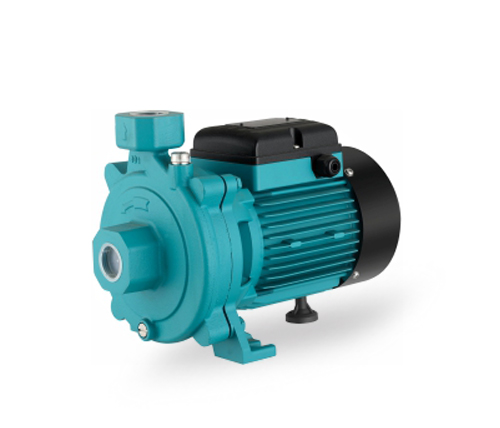
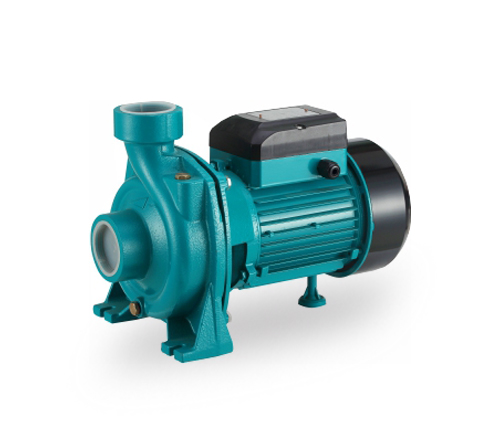
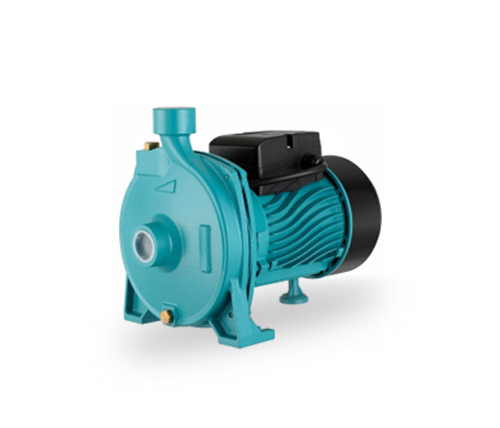
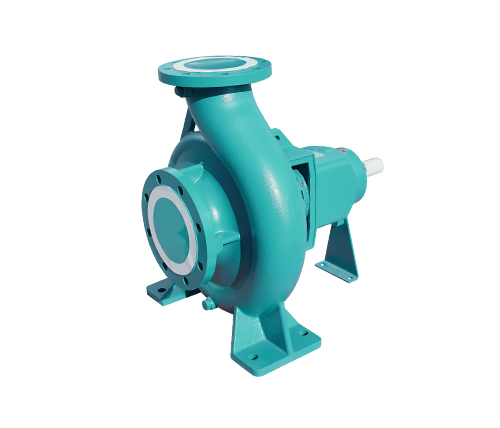
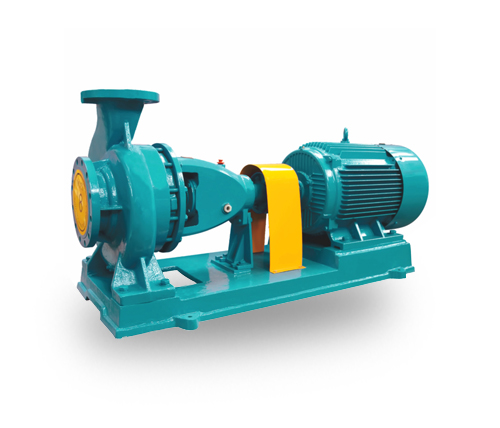
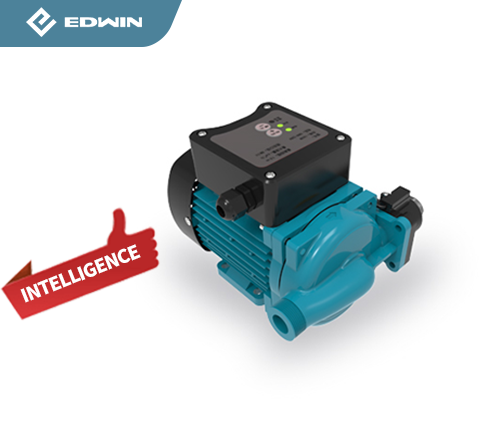
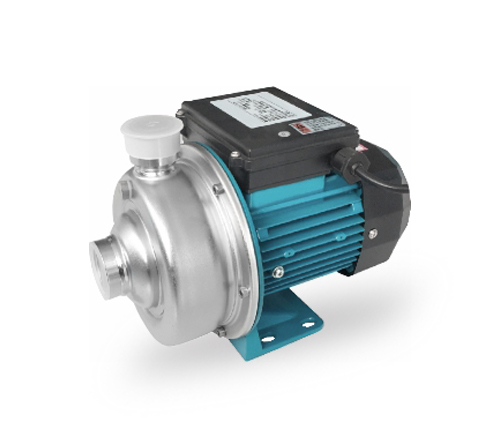
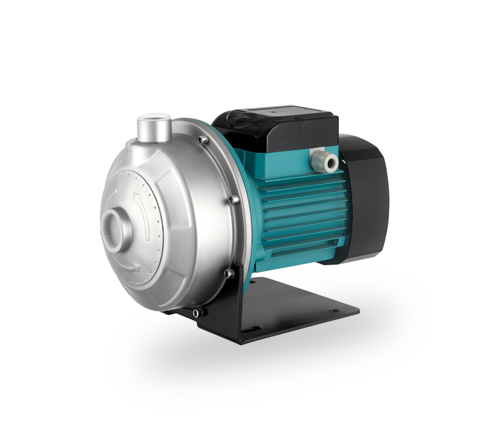
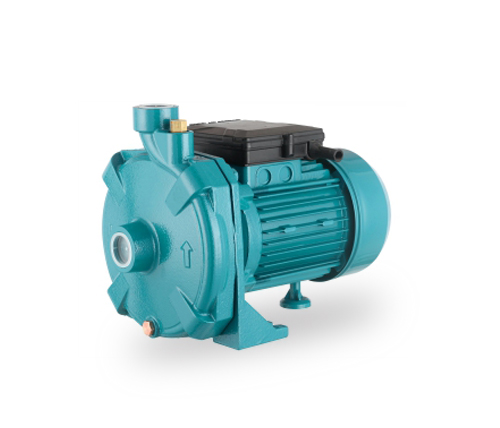
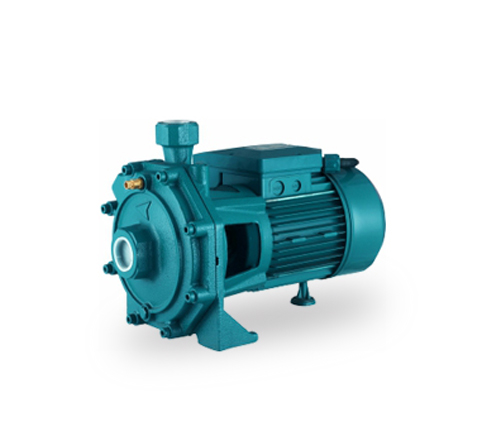
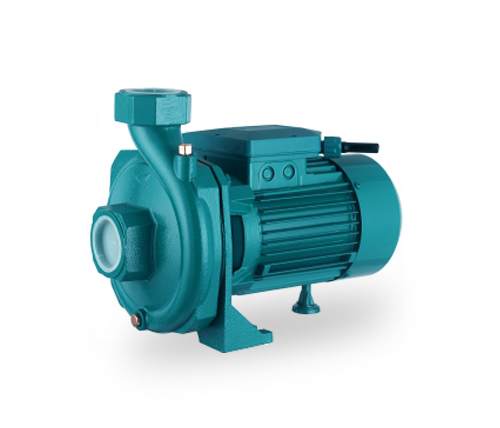
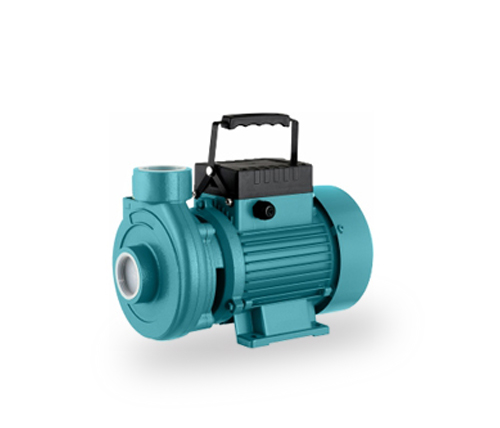
A centrifugal pump is a mechanical device used to transfer fluid from one place to another by using a rotating impeller to create pressure. This type of pump is commonly used in various industries, including water treatment, petrochemical, power generation, and agricultural irrigation. The primary advantage of a centrifugal pump is its simplicity, which allows for easy maintenance and low cost. The basic design of a centrifugal pump consists of an impeller, a casing, and a shaft. The impeller is typically a rotating wheel that is mounted on the shaft and driven by a motor. EDWIN PUMP uses a two-pole induction motor for centrifugal pumps. Insulation class B, protection IP44, and continuous service S1. The casing is a stationary component that surrounds the impeller and provides a channel for the fluid to flow through. The impeller's rotational motion creates a centrifugal force that moves the fluid from the center of the impeller to the outer edge. The impeller material of EDWIN PUMP can be brass, AISI304, PPO, or Nory if requested. The fluid enters the pump at the center of the impeller and is pushed outwards by the centrifugal force. The fluid then enters the casing, where it is guided to the discharge point. The pressure created by the impeller's rotational motion is what allows the fluid to flow through the pump. The speed of the impeller is an important factor in determining the pressure that is generated. The faster the impeller spins, the greater the pressure will be. EDWIN PUMP provides a big power range of this pump: 370w to 4000w. The max flow can be 1600l/min and the max head can be 65m. Different inlet and outlet sizes for customers to select: 1” 1.25" 1.5" 2" 3" and 4". Centrifugal pumps are classified based on their construction and the type of fluid they are used to pump. Some common types of centrifugal pumps include radial flow, axial flow, and mixed flow pumps. Radial flow pumps are the most common type of centrifugal pump and are used to pump low-viscosity fluids. Axial flow pumps are used to pump fluids with high viscosity, such as liquids containing solids. Mixed flow pumps are a combination of radial and axial flow pumps and are used to pump fluids with intermediate viscosities.

A Submersible Pump is a critical tool for moving water and other fluids from wells, tanks, or reservoirs. Unlike surface pumps, submersible...
READ MOREAccess to groundwater is a critical concern for agriculture, residential use, and industrial operations. A borehole pump is designed to ext...
READ MOREA Deep Well Pump is designed to draw water from wells that are significantly deeper than standard household sources. These pumps are widely...
READ MOREWater management is an essential part of agriculture, and efficient irrigation systems depend on reliable pumps. An Irrigation Pump Factory...
READ MOREA submersible pump factory is responsible for producing pumps that operate fully underwater while maintaining stable performance. These pump...
READ MOREThe choice of materials in centrifugal pump components is crucial for durability, chemical resistance, and wear performance. Different components require specific materials depending on operating conditions such as temperature, pressure, and fluid composition. The table below summarizes common materials used:
|
Pump Component |
Common Materials |
Purpose/Benefit |
|
Pump Casing |
Cast Iron, Stainless Steel, Bronze |
Provides structural strength, corrosion resistance, and chemical compatibility |
|
Impeller |
Stainless Steel, Bronze, Plastic, Cast Iron |
Ensures efficient fluid transfer and wear resistance |
|
Shaft |
Stainless Steel, Carbon Steel |
High tensile strength and resistance to bending or fatigue |
|
Shaft Seal |
Mechanical Seal (Carbon, Ceramic, Tungsten Carbide) |
Prevents leakage and protects bearings |
|
Bearings |
Stainless Steel, Bronze, Polymer |
Supports rotational motion and reduces friction |
|
Wear Rings |
Bronze, Stainless Steel |
Protects casing and impeller from abrasion, improves efficiency |
The selection of materials depends on the pumped fluid and environmental conditions. For instance, chemical processing often requires stainless steel or high-performance alloys, while water transfer in municipal systems may use cast iron. Proper material choice enhances pump lifespan, reduces maintenance costs, and ensures consistent operation.
Centrifugal pump efficiency directly affects energy consumption, operational costs, and equipment longevity. Several strategies can enhance efficiency:
Implementing these measures can improve energy efficiency, reduce wear, and extend the pump's service life.
Centrifugal water pumps can experience clogging due to a variety of factors. Understanding these helps prevent downtime and maintain smooth operation:
Preventing clogging involves installing appropriate strainers, using grinder pumps for high-solid fluids, performing routine inspections, and selecting pumps suited to the liquid's characteristics. Timely maintenance ensures efficient operation and minimizes downtime.
+86-13586290903 (WhatsApp)
Xuri Gongliang Cutting Tool Entrepreneurship Park, Wenqiao Town, Wenling City, Taizhou City, Zhejiang Province, China

Centrifugal Pump Manufacturer


 English