
View All Products
en
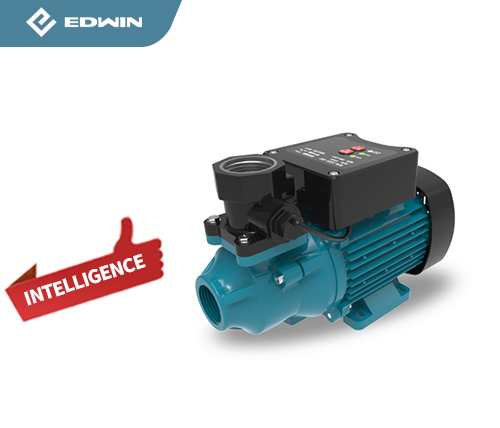
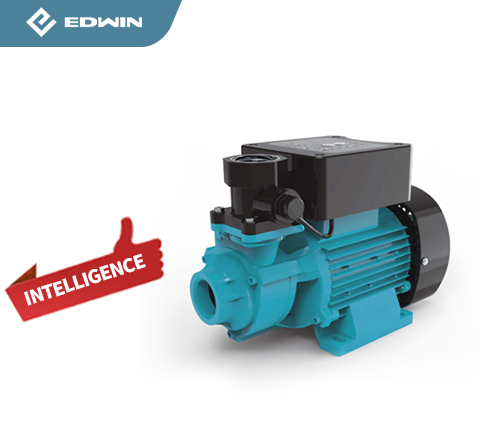
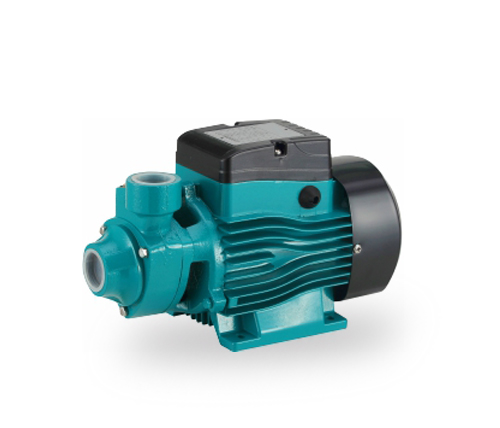
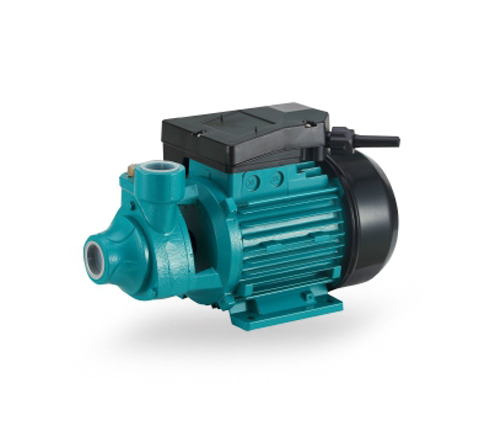
A peripheral pump is a type of centrifugal pump that is designed to handle liquids with low to medium viscosity. The main difference between a Vortex Peripheral pump and a traditional centrifugal pump is the way that it generates flow. In a traditional centrifugal pump, flow is generated by the impeller spinning within the volute, which is a casing that surrounds the impeller. EDWIN PUMP provides a big power range from 370w to 1500w. Max flow can be 100L/Min and max head can be 70M. Inlet and outlet sizes are 1" and 1.5". The vortex in the volute is created by the shape of the volute and the way that it is positioned in relation to the impeller. The volute has a unique shape that is designed to cause the liquid to flow in a circular pattern. As the liquid moves in this circular pattern, it creates a vortex that pulls the liquid from the inlet and pushes it toward the outlet of the pump. This creates a low-pressure area in the center of the vortex, which causes the liquid to be drawn into the pump. This is because the vortex in the volute is able to generate flow more efficiently than the impeller in a traditional centrifugal pump. The vortex also helps to keep the liquid in suspension, which reduces the risk of the liquid separating or becoming aerated. EDWIN PUMP uses a two-pole induction motor for centrifugal pumps. Insulation class B, protection IP44, and continuous service S1. Because the vortex generates flow more efficiently than an impeller, the pump requires less energy to produce the same flow rate. This can result in significant energy savings over time, especially in applications where the pump is used for long periods of time. Anti-block system is important for long service life. So EDWIN PUMP has a brass or SS insert equipped between the pump body and the support of peripheral pumps. It can reduce the abrasion of the impeller and avoid pump clogging when the pump is not used for a long time.

A Submersible Pump is a critical tool for moving water and other fluids from wells, tanks, or reservoirs. Unlike surface pumps, submersible...
READ MOREAccess to groundwater is a critical concern for agriculture, residential use, and industrial operations. A borehole pump is designed to ext...
READ MOREA Deep Well Pump is designed to draw water from wells that are significantly deeper than standard household sources. These pumps are widely...
READ MOREWater management is an essential part of agriculture, and efficient irrigation systems depend on reliable pumps. An Irrigation Pump Factory...
READ MOREA submersible pump factory is responsible for producing pumps that operate fully underwater while maintaining stable performance. These pump...
READ MOREA vortex peripheral pump, often called a recessed impeller or vortex pump, is a centrifugal pump designed with a spacious, open pump chamber and an impeller that is recessed from the main flow path. Unlike a standard centrifugal pump where the impeller is directly in the flow, the vortex impeller creates a powerful vortex (whirlpool) within the chamber. This rotating vortex of fluid is what generates the pressure and flow. The key advantage is that the pumped media has minimal direct contact with the impeller itself.
The main benefits stem from its non-clogging design. The generous free passage and the recessed impeller allow the pump to handle fluids with suspended solids, fibrous materials, and entrained air or gases with a lower risk of clogging or impeller damage. It also minimizes shear forces, making it suitable for delicate solids or living organisms in applications like aquaculture. Furthermore, the separation between the impeller and the volute reduces wear on both components when pumping abrasive mixtures.
Vortex peripheral pumps are favored in applications involving contaminated or challenging media. Common uses include wastewater treatment (for preliminary and sludge handling), industrial effluent transfer, pumping water with debris in flood control or dewatering, food processing with particulate matter, and aquarium or fishery water circulation where preserving life forms is critical.
The primary trade-off for its clog-resistant nature is efficiency. The energy transfer in a vortex pump is less direct than in a standard centrifugal pump, often resulting in lower hydraulic efficiency for handling clean water. Therefore, they are typically selected not for energy performance but for reliability and durability in difficult pumping conditions where other pump types might fail.
Intelligent vortex peripheral pumps integrate monitoring and control electronics, but their core hydraulic and material constraints are defined by mechanical design. Understanding these limitations is essential for safe and effective system integration.
Maximum Head Rating: The design of the vortex chamber and impeller inherently limits the pressure generation capability. Intelligent vortex pumps for general industrial or municipal use typically have maximum head ratings ranging from approximately 20 meters (65 feet) for smaller models to about 70 meters (230 feet) for larger, heavy-duty units. Exceeding this rated pressure can strain the motor, cause excessive shaft deflection, and bring about seal failure or housing damage.
System Pressure Considerations: The pump must be selected so its maximum head exceeds the total dynamic head (TDH) of the system, which includes static lift and pipe friction losses. Intelligent controls, such as variable frequency drives (VFDs), can modulate pump speed to match pressure setpoints, but the pump's mechanical maximum remains the absolute limit.
Seal Pressure Containment: The mechanical seal or gland packing is rated for a specific pressure. Operating above this limit can cause seal extrusion, immediate leakage and pump failure. Intelligent systems may include pressure sensors that can alarm or shut down the pump if discharge pressure approaches a dangerous threshold.
Pumped Fluid Temperature: Standard vortex pumps with elastomeric seals (like NBR or EPDM) are generally suitable for fluids up to 70°C (158°F). For higher temperatures, up to approximately 120°C (248°F), pumps equipped with high-temperature mechanical seals (often with silicon carbide faces) and viton or PTFE gaskets are required. The "intelligent" components, such as integrated sensors and motor insulation, must also be rated for the ambient heat emanating from the hot fluid.
Motor Ambient Temperature: Even if the fluid is hot, the pump's design must ensure that heat dissipation prevents the motor windings from exceeding their insulation class temperature (commonly Class F, 155°C). Intelligent models often include embedded thermal sensors (PTC thermistors or PT100) that continuously monitor motor temperature and can trigger alarms or reduce speed via the controller to prevent overheating damage.
Material Thermal Expansion: Prolonged operation at high temperatures affects all materials. Differences in thermal expansion rates between the pump housing, impeller, and seal components must be accounted for in the design to avoid binding, increased clearances, or seal face distortion, which can degrade performance or cause failure.
+86-13586290903 (WhatsApp)
Xuri Gongliang Cutting Tool Entrepreneurship Park, Wenqiao Town, Wenling City, Taizhou City, Zhejiang Province, China

Vortex Peripheral Pump Manufacturer


 English