
View All Products
en
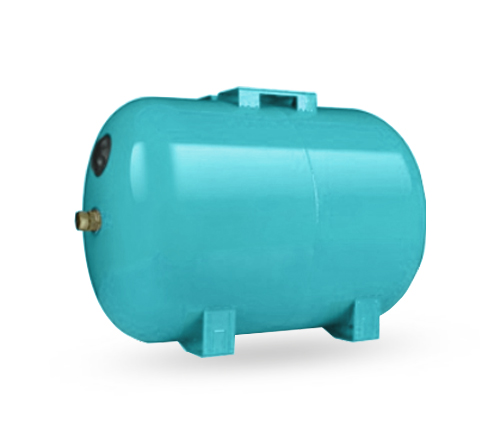
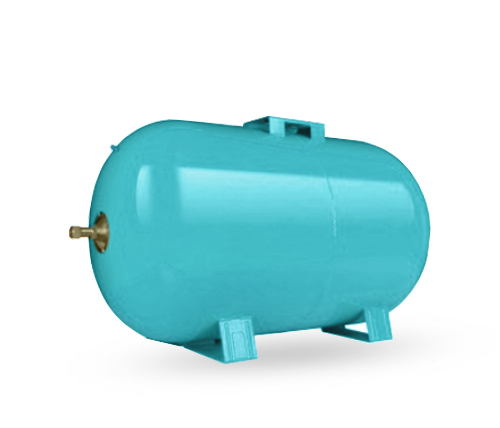
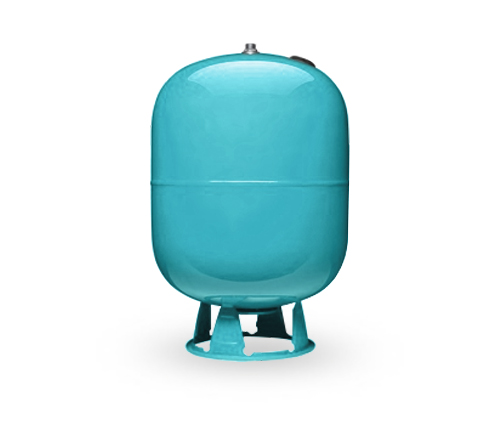
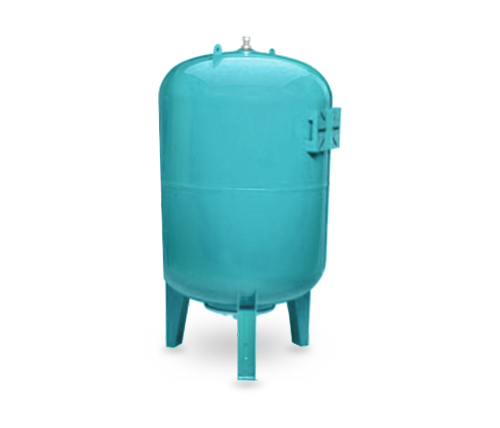
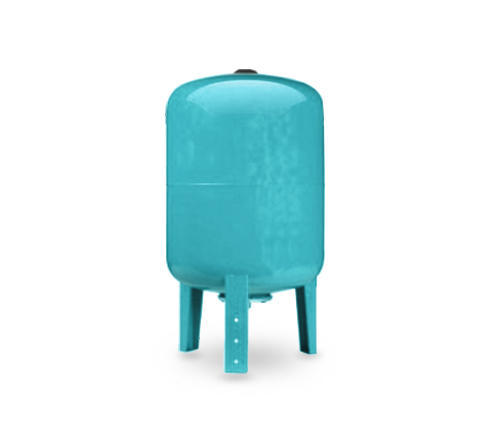
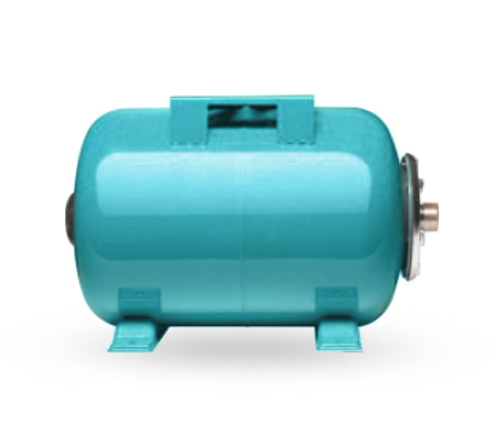
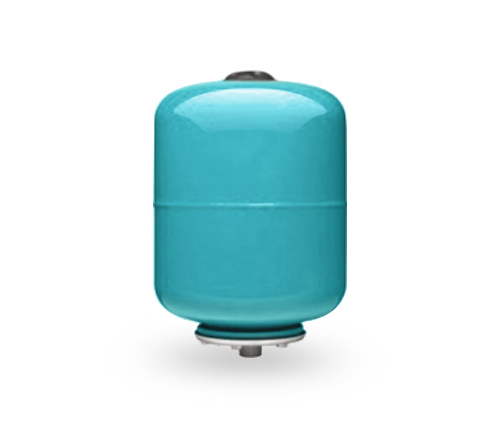
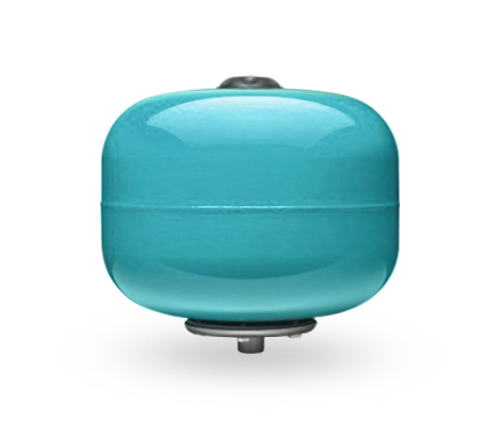
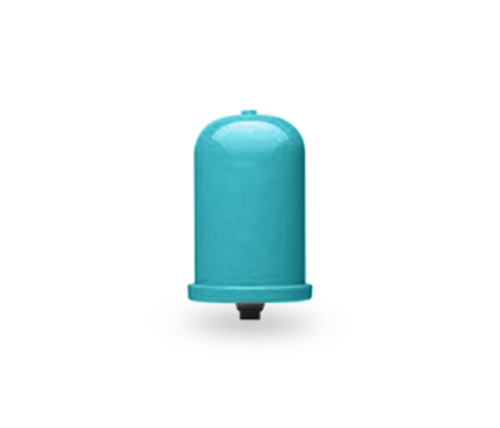
Carbon steel pressure tanks are essential components in various industrial applications, particularly in the storage and transportation of liquids and gases under high pressure. They are widely used in water treatment, irrigation, and oil and gas industries due to their high resistance to corrosion and durability. A carbon steel pressure tank is typically composed of a cylindrical shell, heads, and a closure mechanism. The cylindrical shell is made of carbon steel and is designed to withstand the internal pressure of the stored liquid or gas. The heads, or end caps, are attached to the ends of the cylindrical shell and provide a secure closure to the tank. They also serve as support for the internal pressure and prevent the tank from collapsing. One of the main advantages of carbon steel pressure tanks is their strength. Carbon steel is a highly durable material that can withstand high pressure and resist corrosion. This makes carbon steel pressure tanks ideal for use in harsh environments, such as those found in oil and gas production and transportation. Additionally, carbon steel is relatively inexpensive compared to other materials commonly used for pressure tanks, making it an attractive option for many industrial applications. Another advantage of carbon steel pressure tanks is their versatility. They can be used for the storage and transportation of a wide range of liquids and gases, including water, oil, and natural gas. They can also be designed and manufactured in various sizes and capacities, depending on the specific requirements of each application.


A Submersible Pump is a critical tool for moving water and other fluids from wells, tanks, or reservoirs. Unlike surface pumps, submersible...
READ MOREAccess to groundwater is a critical concern for agriculture, residential use, and industrial operations. A borehole pump is designed to ext...
READ MOREA Deep Well Pump is designed to draw water from wells that are significantly deeper than standard household sources. These pumps are widely...
READ MOREWater management is an essential part of agriculture, and efficient irrigation systems depend on reliable pumps. An Irrigation Pump Factory...
READ MOREA submersible pump factory is responsible for producing pumps that operate fully underwater while maintaining stable performance. These pump...
READ MORECarbon steel is an iron-based alloy that primarily contains carbon, typically in the range of 0.05% to 0.30% for pressure vessel applications. This controlled carbon content provides a combination of strength and ductility that is well suited for pressure containment.
One key characteristic of carbon steel is its high mechanical strength. Carbon steel exhibits good tensile and yield strength, enabling pressure tanks to withstand internal stresses generated by compressed air or fluids. This strength allows for relatively thin wall construction compared to lower-strength materials, provided that applicable design codes are followed.
Another important feature is good weldability. Low- and medium-carbon steels commonly used in pressure tanks can be welded using standard industrial processes. Proper welding procedures, heat input control, and post-weld inspection help ensure joint integrity and pressure resistance.
Carbon steel also demonstrates predictable elastic behavior. Under normal operating pressures, the material deforms elastically and returns to its original shape when pressure is released. This predictable response simplifies engineering calculations and supports compliance with pressure vessel standards such as ASME or EN codes.
Thermal stability is another characteristic. Carbon steel maintains its mechanical properties across a wide temperature range, making it suitable for applications involving temperature fluctuations. However, extremely high or low temperatures may require additional material considerations.
From a manufacturing perspective, carbon steel offers good formability and machinability. Plates and pipes can be rolled, formed, and machined with relative ease, supporting efficient production of cylindrical or spherical tank geometries.
Carbon steel is known for its cost-effectiveness and availability. It is widely produced globally, which ensures consistent material supply and competitive pricing for pressure tank fabrication.
One of the primary advantages of carbon steel high pressure air tanks is their structural strength and durability. The material can safely handle high internal pressures when properly designed, manufactured, and tested. This makes carbon steel tanks suitable for industrial compressed air systems, energy storage, and process equipment.
Another advantage is long service life. With appropriate surface treatment, such as internal coatings, external painting, or galvanization, carbon steel tanks can operate reliably for many years. Regular inspection and maintenance further extend their usable lifespan.
Economic efficiency is also a major benefit. Compared to stainless steel or composite materials, carbon steel offers a lower initial material cost. Fabrication processes are well established, which helps reduce manufacturing and repair expenses.
Carbon steel tanks are also compatible with established design codes and regulations. Many international pressure vessel standards are specifically developed around carbon steel, simplifying certification, inspection, and approval processes.
In addition, carbon steel provides good impact resistance. In many industrial environments, tanks may be exposed to mechanical stress or vibration. Carbon steel's toughness helps reduce the risk of sudden failure under such conditions.
Despite their advantages, carbon steel high pressure air tanks have several limitations that must be considered during system design and operation.
A significant disadvantage is susceptibility to corrosion. Carbon steel can corrode when exposed to moisture, oxygen, or aggressive environments. In compressed air systems, condensate accumulation inside the tank can accelerate internal corrosion if not properly managed.
Another limitation is higher weight compared to alternative materials such as aluminum alloys or composite tanks. The higher density of carbon steel increases transportation, installation, and structural support requirements, particularly in mobile or space-constrained applications.
Carbon steel tanks also require regular inspection and maintenance. To ensure safety, periodic internal inspections, pressure testing, and corrosion monitoring are necessary. These maintenance activities can increase operational costs over time.
Limited chemical resistance is another drawback. Carbon steel is not suitable for storing certain corrosive gases or chemicals without specialized linings or treatments, which add complexity and cost.
Carbon steel has lower fatigue resistance than some advanced alloys. In systems with frequent pressure cycling, careful design and conservative operating limits are required to minimize the risk of fatigue-related damage.
+86-13586290903 (WhatsApp)
Xuri Gongliang Cutting Tool Entrepreneurship Park, Wenqiao Town, Wenling City, Taizhou City, Zhejiang Province, China

Carbon Steel Pressure Tank Manufacturer


 English