
View All Products
en
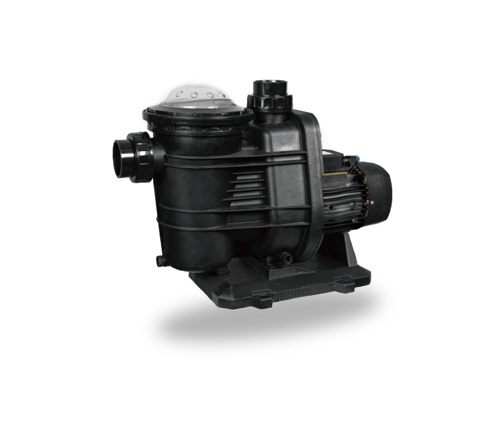
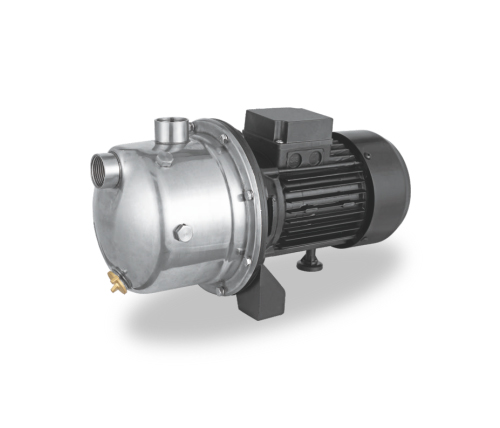
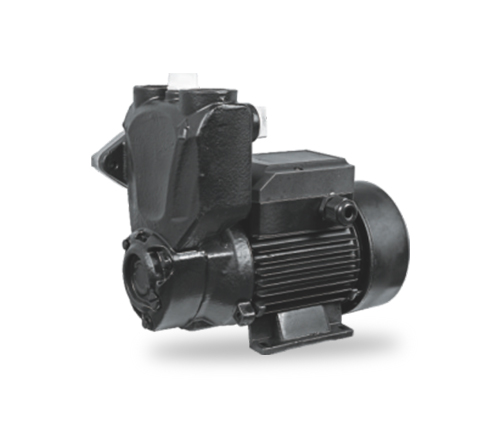
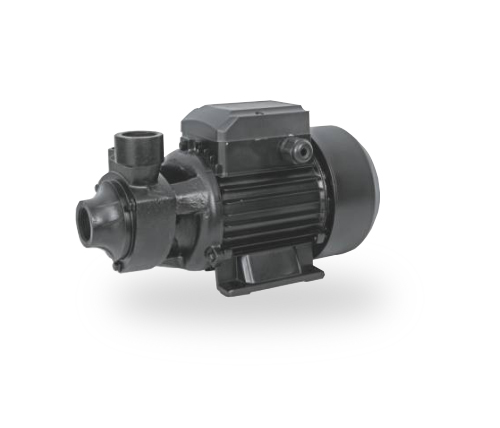

A Submersible Pump is a critical tool for moving water and other fluids from wells, tanks, or reservoirs. Unlike surface pumps, submersible...
READ MOREAccess to groundwater is a critical concern for agriculture, residential use, and industrial operations. A borehole pump is designed to ext...
READ MOREA Deep Well Pump is designed to draw water from wells that are significantly deeper than standard household sources. These pumps are widely...
READ MOREWater management is an essential part of agriculture, and efficient irrigation systems depend on reliable pumps. An Irrigation Pump Factory...
READ MOREA submersible pump factory is responsible for producing pumps that operate fully underwater while maintaining stable performance. These pump...
READ MOREThe primary power source is always sunlight, captured by photovoltaic (PV) solar panels. These panels generate direct current (DC) electricity when exposed to sunlight. This DC electricity is then managed and directed to the pump to power its operation.
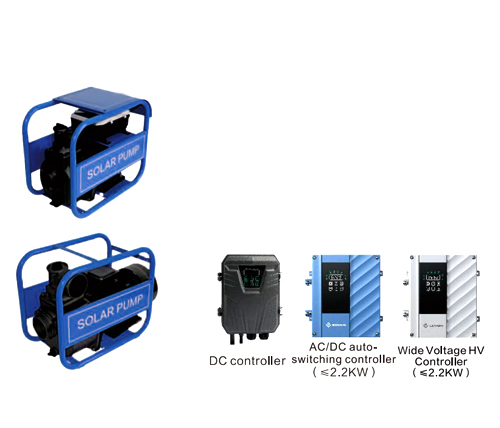
This designation refers to the type of electric motor inside the pump. A DC solar pump is wired directly to the solar array, often through a dedicated solar pump controller. The controller maximizes efficiency by matching the pump's power intake to the variable voltage produced by the panels (Maximum Power Point Tracking, or MPPT). An AC solar pump requires an additional device called a solar inverter. This inverter converts the DC electricity from the panels into alternating current (AC) to run a standard AC motor.
AC motors, particularly three-phase induction motors, are commonly available in higher power ratings and are often considered robust for continuous-duty industrial applications. Some systems use an AC motor to leverage this perceived durability or to directly replace an existing grid-powered AC pump in a solar conversion project. However, this comes with the added complexity, cost, and small efficiency loss of the inverter.
Direct-drive solar pumps (both AC and DC) require sunlight to operate. To run without sun, they must be integrated with other components. The common method is to connect the solar array to a battery bank via a charge controller. The stored DC power can then be used directly by a DC pump or inverted to AC for an AC pump. Alternatively, some systems use a hybrid inverter that can supplement solar power with grid or generator power when needed.
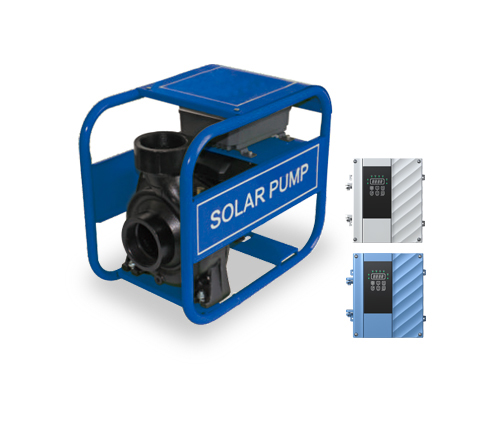
Determining the value of a high-power AC/DC surface solar pump depends on specific project requirements and constraints. These pumps are designed for high-flow applications like large-scale irrigation, pond management, or transferring water from open sources over long distances.
For deep well applications, where the pump is submerged to push water from great depths, the comparison between AC and DC technologies centers on efficiency, system simplicity, and reliability. There is no absolute "better" choice, but each has distinct characteristics that suit different scenarios.
A DC solar deep well pump, specifically one using a brushless DC (BLDC) motor, is generally considered the efficient and straightforward option for dedicated solar systems. These pumps are designed to operate directly from the variable DC power produced by solar panels. A solar pump controller with MPPT technology optimizes the match between the panel output and the pump motor, allowing it to start and run efficiently even under low-light conditions. The system has fewer components—panels, controller, pump—which can reduce points of failure and energy conversion losses. They are a prevalent choice for standalone solar wells.
An AC solar deep well pump utilizes a standard submersible AC motor, identical to those used in grid-powered wells. To run on solar, the system requires a solar inverter capable of converting DC from the panels to AC for the pump. The primary advantage of this configuration is compatibility and hybrid flexibility. It allows for easy integration with an existing AC well system or a backup grid connection. A hybrid inverter can seamlessly switch between solar, battery, and grid/generator power, ensuring uninterrupted water supply regardless of weather. However, this setup involves more components (inverter, potentially more complex controls) and incurs efficiency losses in the DC-to-AC conversion process.
+86-13586290903 (WhatsApp)
Xuri Gongliang Cutting Tool Entrepreneurship Park, Wenqiao Town, Wenling City, Taizhou City, Zhejiang Province, China

AC/DC Surface Solar Pump Manufacturer


 English