
View All Products
en
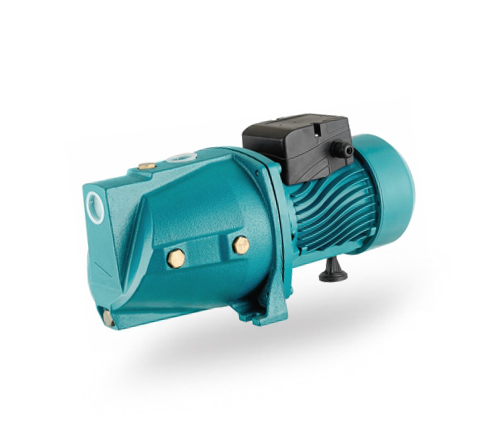
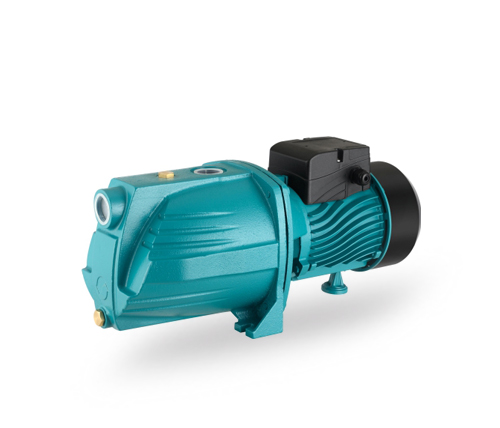
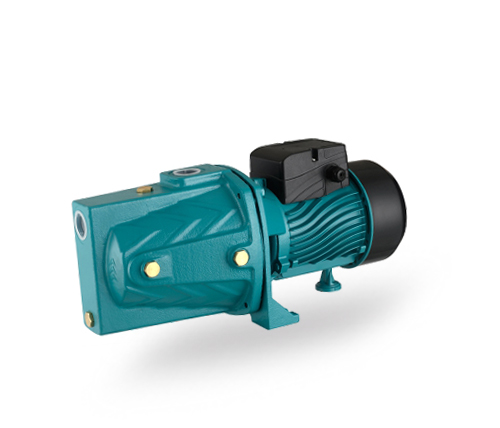
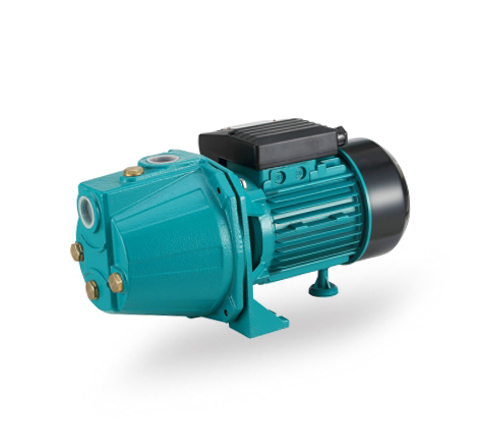
Surface pumps are characterized by their simple design and ease of use, making them a popular choice for many applications. The most common type of surface pump is the centrifugal pump, which works by using an impeller to create a flow of fluid. The impeller is driven by a motor, which can be electric, hydraulic, or gasoline powered. One of the main advantages of surface pumps is their versatility. They can be used in a wide range of applications, from moving water from a well to irrigating crops to transferring oil and gas from storage tanks to pipelines. Additionally, surface pumps can be used to pump wastewater, sludge, and other liquids, making them useful tools in many industrial settings. Another advantage of surface pumps is their durability. Most surface pumps are made of high-quality materials that are resistant to corrosion, rust, and other types of damage. This means that they can last for many years with minimal maintenance, making them a cost-effective option for many applications. In addition to their versatility and durability, surface pumps are also energy efficient. Because they do not require a lot of power to operate, they are often used in remote locations where electricity is not readily available. This makes them an ideal choice for agriculture and other industries that rely on pumping fluids in remote locations.
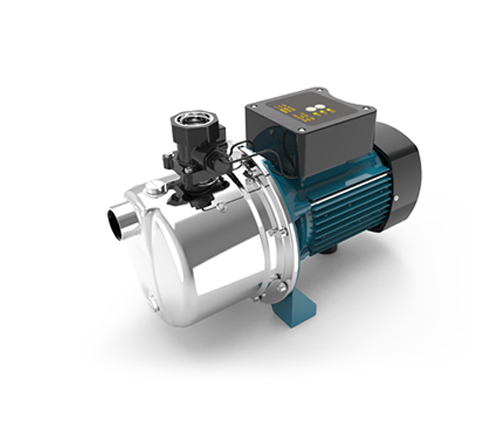
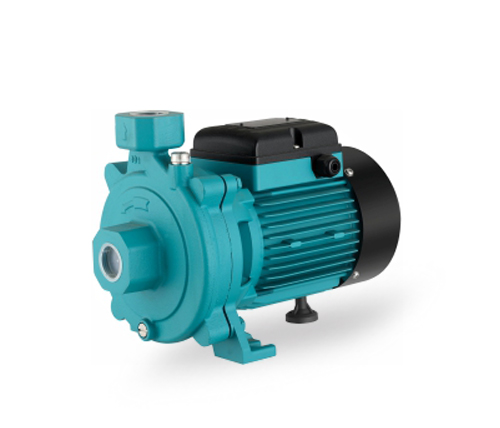
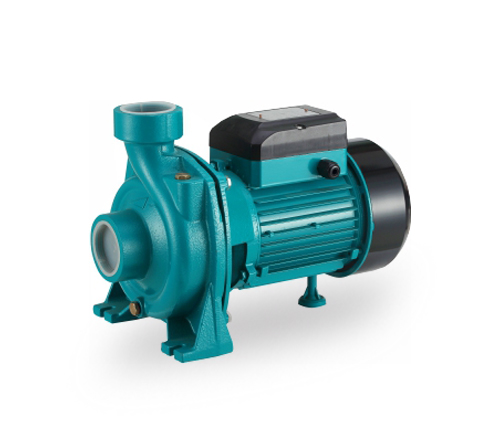
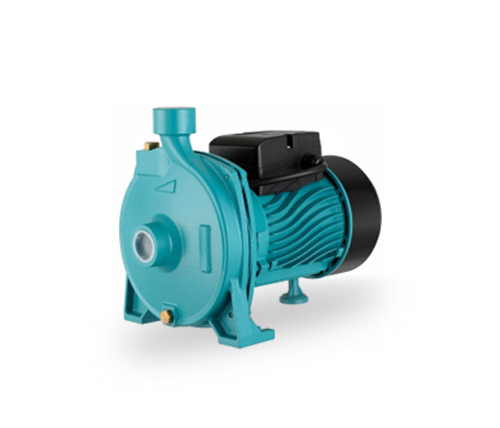
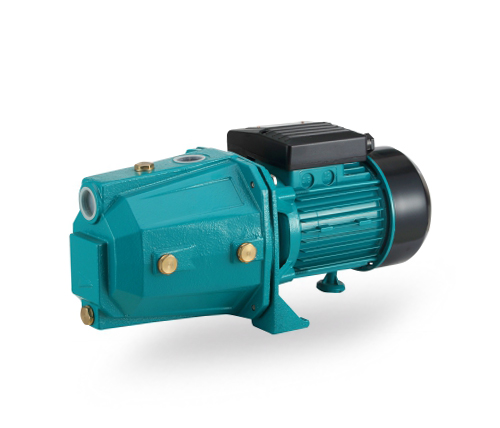
seriesportablebrassimpellereasyinstallationself-primingjetpump.jpg "JBP-PT Series Portable Brass Impeller Easy Installation Self-priming JET Pump")
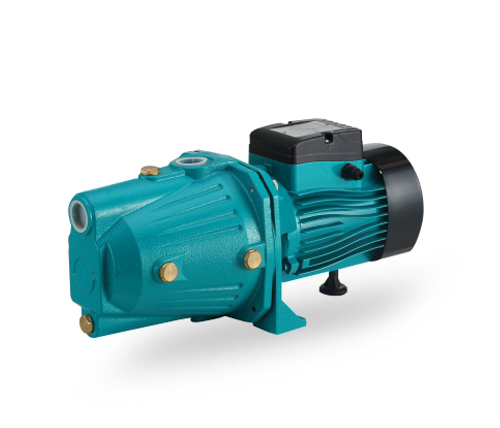
.jpg "SJET Series Stainless Steel Welded Shaft Self-priming JET Pump")

A Submersible Pump is a critical tool for moving water and other fluids from wells, tanks, or reservoirs. Unlike surface pumps, submersible...
READ MOREAccess to groundwater is a critical concern for agriculture, residential use, and industrial operations. A borehole pump is designed to ext...
READ MOREA Deep Well Pump is designed to draw water from wells that are significantly deeper than standard household sources. These pumps are widely...
READ MOREWater management is an essential part of agriculture, and efficient irrigation systems depend on reliable pumps. An Irrigation Pump Factory...
READ MOREA submersible pump factory is responsible for producing pumps that operate fully underwater while maintaining stable performance. These pump...
READ MORESurface pumps and submersible pumps are both widely used for water transfer, but they differ significantly in structure, operating method, and suitable applications. A surface pump is installed above ground and draws water through a suction pipe. It is commonly used for shallow wells, tanks, rivers, and irrigation systems where the water level is relatively close to the surface. Because it operates outside the water source, installation and maintenance are generally more convenient. However, suction limitations mean that surface pumps are usually effective only up to a depth of about 7–8 meters.
In contrast, a submersible pump is designed to operate fully submerged in water. It pushes water upward rather than pulling it, which allows it to work efficiently at greater depths. Submersible pumps are commonly used in deep wells, boreholes, and wastewater applications. Their sealed motor design prevents water ingress and reduces energy loss caused by suction.
From an efficiency standpoint, submersible pumps often perform better for deep-water applications because they avoid cavitation and suction-related losses. Surface pumps, on the other hand, are easier to access and are often more cost-effective for shallow water use. Noise levels also differ, as submersible pumps operate quietly underwater, while surface pumps may generate noticeable sound during operation.
Self-priming pumps are designed to evacuate air from the suction line automatically, allowing them to lift water without manual priming. Their drive mechanisms determine how power is delivered to the pump shaft and influence performance, efficiency, and maintenance needs. Common drive mechanisms include:
Electric Motor Drive
Widely used in residential, commercial, and industrial applications
Provides stable speed and consistent output
Suitable for indoor and outdoor installations with reliable power supply
Diesel Engine Drive
Common in remote locations without grid electricity
Offers high mobility and independence from external power sources
Often used in emergency drainage, construction, and agriculture
Petrol (Gasoline) Engine Drive
Typically used for portable or temporary pumping tasks
Lighter and easier to start compared to diesel engines
Suitable for short-term operations such as site drainage
Belt-Driven Systems
Power is transmitted from an engine or motor via belts and pulleys
Allows flexible speed adjustment by changing pulley sizes
Requires periodic belt inspection and tension adjustment
Direct Coupling Drive
Motor or engine shaft is directly connected to the pump shaft
Reduces mechanical losses and improves efficiency
Requires precise alignment during installation
High pressure centrifugal pumps are designed to deliver fluids at elevated pressures for industrial, agricultural, and municipal applications. They can be broadly classified into three main types based on their structural design and pressure generation method.
Features:
Commonly used in water supply systems, washing equipment, and booster applications
Single-stage high pressure centrifugal pumps rely on one impeller to increase fluid velocity and convert it into pressure. While pressure capability is limited compared to multi-stage designs, efficiency and simplicity make them suitable for many standard operations.
Features:
Multi-stage centrifugal pumps are the common solution where very high pressure is required. By stacking impellers, these pumps achieve significantly higher discharge pressure while maintaining stable flow, making them suitable for boiler feed systems and high-rise building water supply.
Features:
Used in industrial processes, fire protection, and pipeline systems
Split-case high pressure centrifugal pumps are known for durability and ease of inspection. Their balanced hydraulic design reduces axial load, contributing to stable long-term operation under demanding conditions.
+86-13586290903 (WhatsApp)
Xuri Gongliang Cutting Tool Entrepreneurship Park, Wenqiao Town, Wenling City, Taizhou City, Zhejiang Province, China

Surface Pump Manufacturer


 English