
View All Products
en
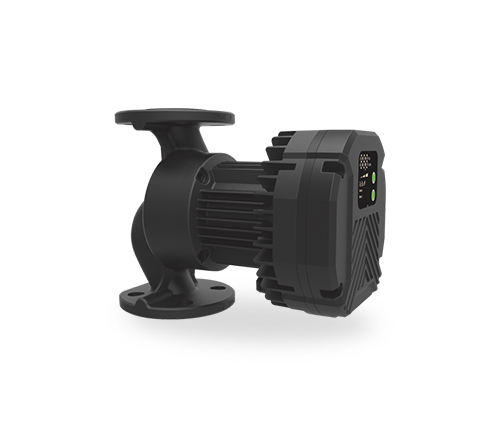
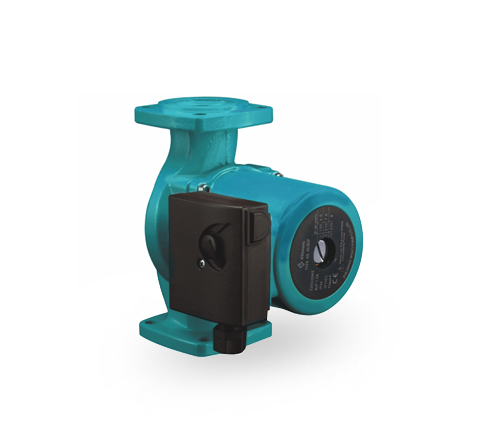
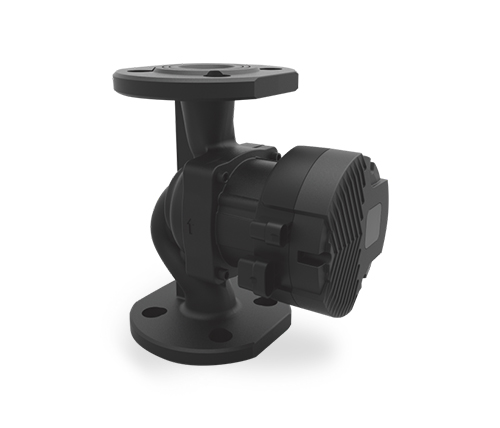
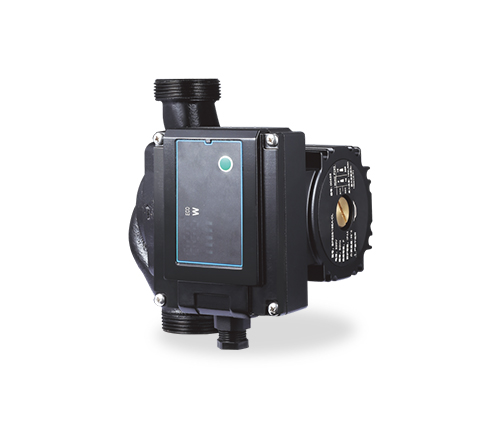
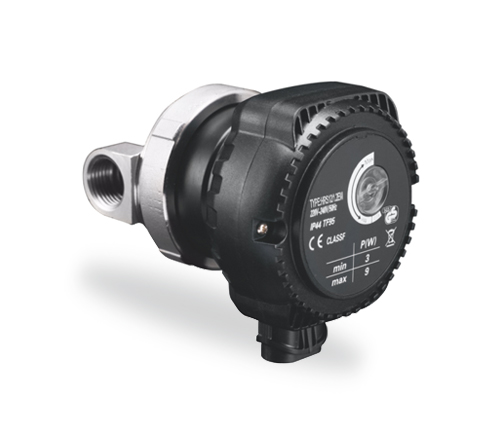
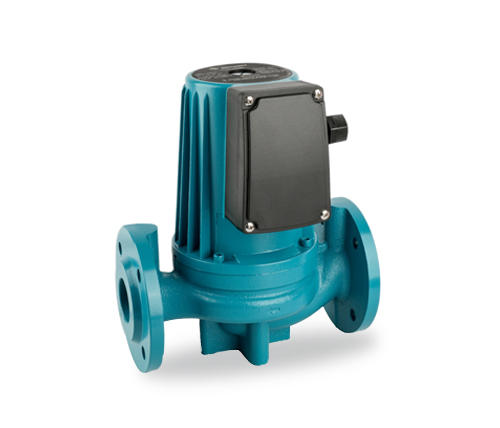
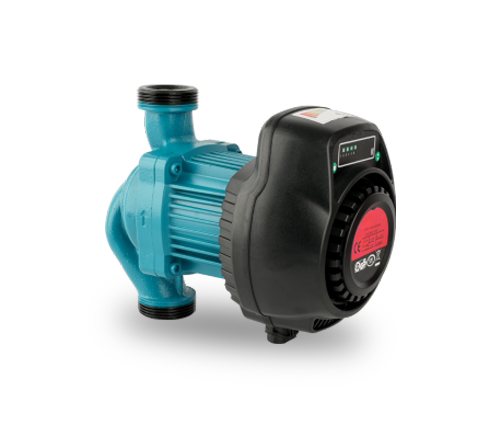
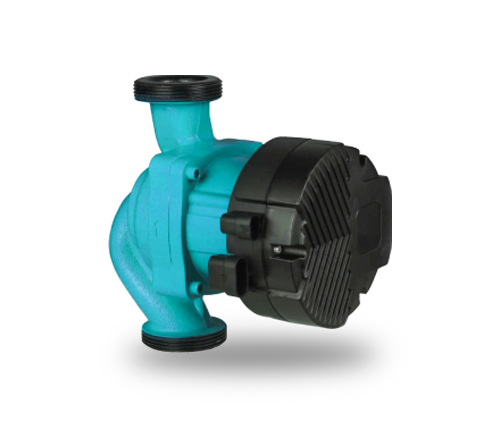
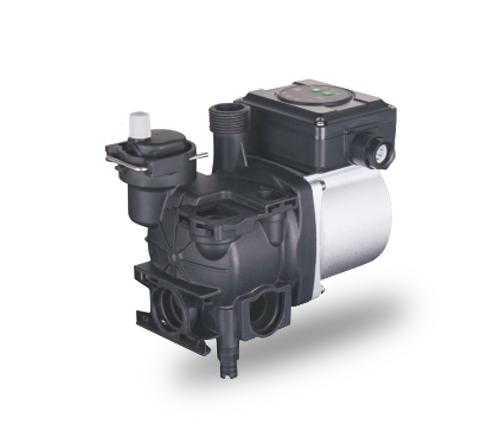
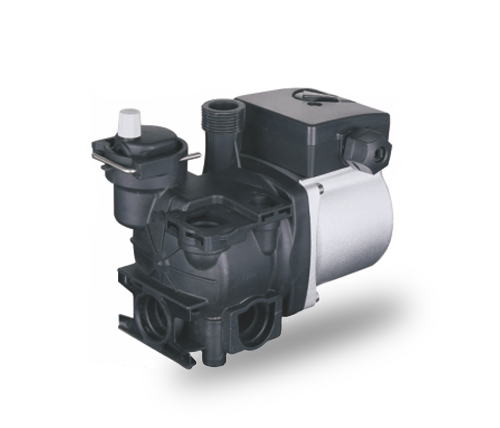
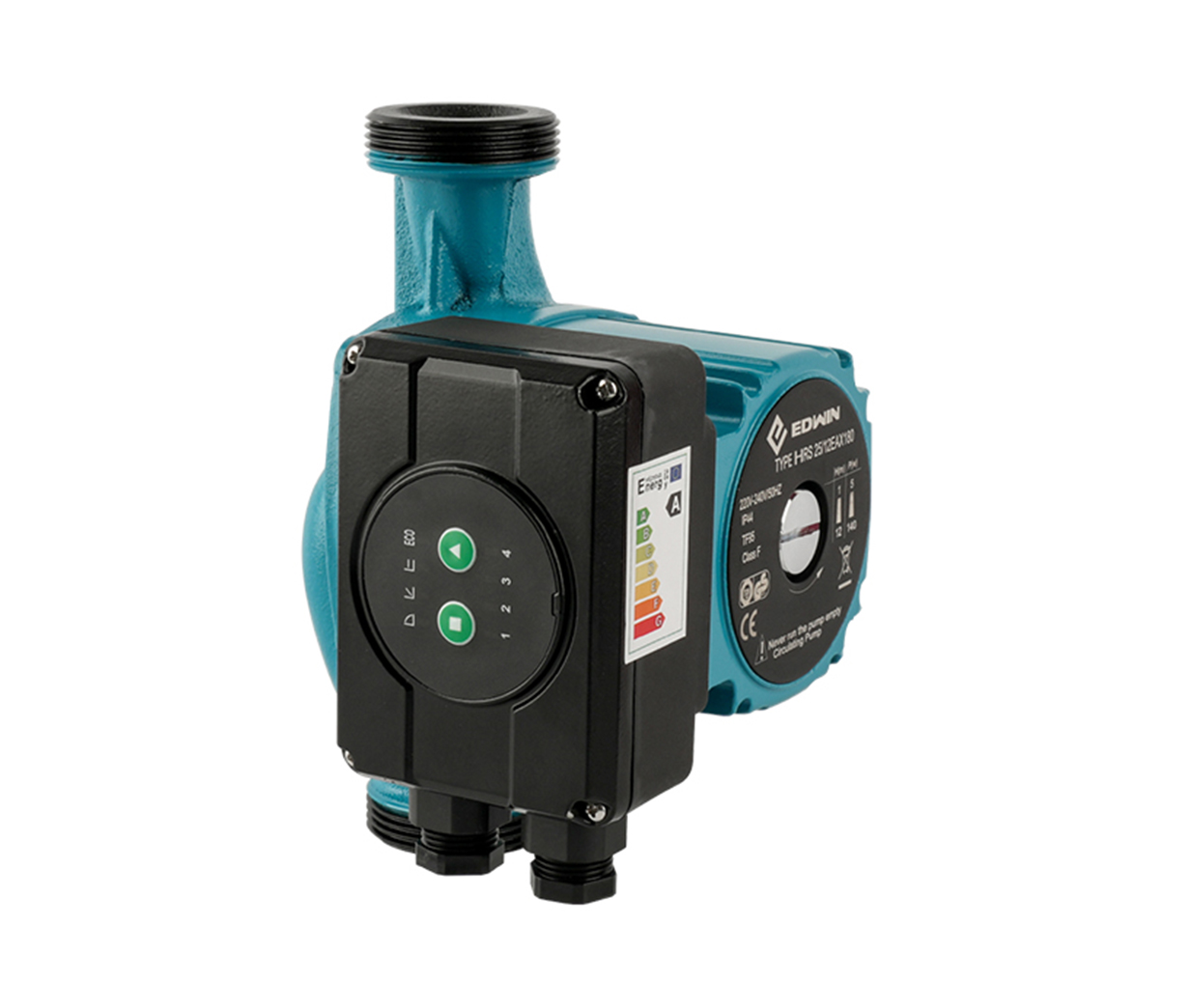
Circulation pumps work by using a motor to drive an impeller, which creates a flow of liquid through the pump. This flow of liquid is then directed through pipes and into the rest of the system. The pump can be controlled using a variety of methods, including a timer or a thermostat, to ensure that it runs only when needed. One of the main benefits of using a circulation pump is its ability to improve the efficiency of a system. By circulating the liquid, the pump ensures that heat or coolness is evenly distributed, reducing the amount of energy needed to maintain a desired temperature. This increased efficiency can result in lower energy bills and a more environmentally friendly system. Another benefit of circulation pumps is their versatility. They can be used in a variety of applications, including heating and cooling systems, water distribution systems, and even in industrial applications. They are also available in a range of sizes, making it easy to find a pump that is appropriate for the specific needs of a given system. The pump helps to ensure that the heat or coolness is evenly distributed throughout the system, making it easier to maintain a desired temperature. Additionally, circulation pumps can help to reduce the amount of energy needed to heat or cool a system, as they increase the efficiency of the system by ensuring that the liquid is evenly distributed.


A Submersible Pump is a critical tool for moving water and other fluids from wells, tanks, or reservoirs. Unlike surface pumps, submersible...
READ MOREAccess to groundwater is a critical concern for agriculture, residential use, and industrial operations. A borehole pump is designed to ext...
READ MOREA Deep Well Pump is designed to draw water from wells that are significantly deeper than standard household sources. These pumps are widely...
READ MOREWater management is an essential part of agriculture, and efficient irrigation systems depend on reliable pumps. An Irrigation Pump Factory...
READ MOREA submersible pump factory is responsible for producing pumps that operate fully underwater while maintaining stable performance. These pump...
READ MOREA circulation pump is needed when a system requires continuous or controlled movement of water or another fluid within a closed loop. Unlike pumps designed to move water from one location to another for storage or discharge, circulation pumps focus on maintaining steady flow to support heat transfer or pressure balance. They are commonly used in heating, cooling, and domestic hot water systems.
In residential buildings, circulation pumps are essential in hydronic heating systems, such as radiators, underfloor heating, and fan coil units. These systems rely on warm water produced by a boiler or heat source. Without a circulation pump, hot water would not move efficiently through pipes, uneven heating and reduced comfort. The pump ensures that heated water reaches all zones and then returns to the boiler for reheating.
Circulation pumps are also used in domestic hot water recirculation systems. In larger homes or buildings with long pipe runs, it can take a noticeable amount of time for hot water to reach taps. A circulation pump keeps hot water moving through the system, reducing waiting time and limiting water waste caused by running taps while waiting for hot water.
Circulation pumps are needed in solar thermal systems, heat pumps, and some cooling applications. In these cases, the pump helps transfer heat between collectors, storage tanks, and distribution points. Overall, a circulation pump becomes necessary whenever consistent flow, stable temperature control, and efficient energy use are required within a closed-loop system.
An outdoor boiler pump is responsible for circulating heated water from the outdoor boiler to the indoor heating system and back again. The boiler generates heat outside the building, often using wood, pellets, or other fuels. The pump ensures that this heat is transferred efficiently through underground insulated pipes to radiators, floor heating, or heat exchangers inside the home. Without a properly sized pump, heat delivery may be slow or uneven, reducing overall system efficiency.
Choosing the right pump depends on factors such as pipe length, pipe diameter, system flow rate, and required head pressure. Longer distances between the boiler and the house increase resistance, which means the pump must be capable of maintaining adequate flow. Many outdoor boiler systems use high-efficiency circulation pumps designed for continuous operation. Consulting system specifications or a heating professional helps ensure the pump matches the boiler's output and the heating demand of the building.
Outdoor boiler pumps typically require minimal maintenance, especially modern sealed circulation pumps. Periodic inspection is recommended to check for unusual noise, vibration, or reduced flow. In normal operating conditions, a well-selected pump can last 8 to 12 years or longer. Replacement is usually considered when efficiency drops, electrical consumption increases, or mechanical wear becomes noticeable.
While circulation pumps provide clear benefits, they also have certain drawbacks that homeowners should understand before installation.
Increased Energy Consumption
Potential Heat Loss in Hot Water Systems
Installation and Maintenance Considerations
+86-13586290903 (WhatsApp)
Xuri Gongliang Cutting Tool Entrepreneurship Park, Wenqiao Town, Wenling City, Taizhou City, Zhejiang Province, China

ODM Circulation Pump For Home


 English