
View All Products
en
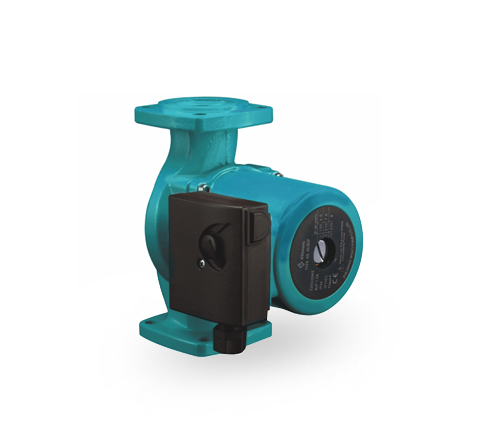
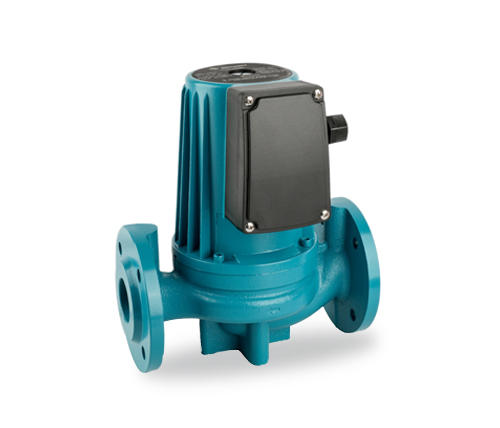
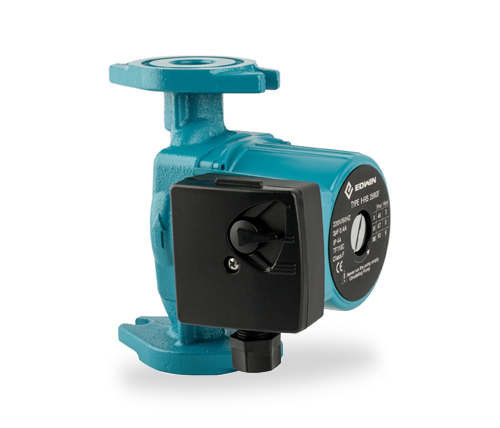
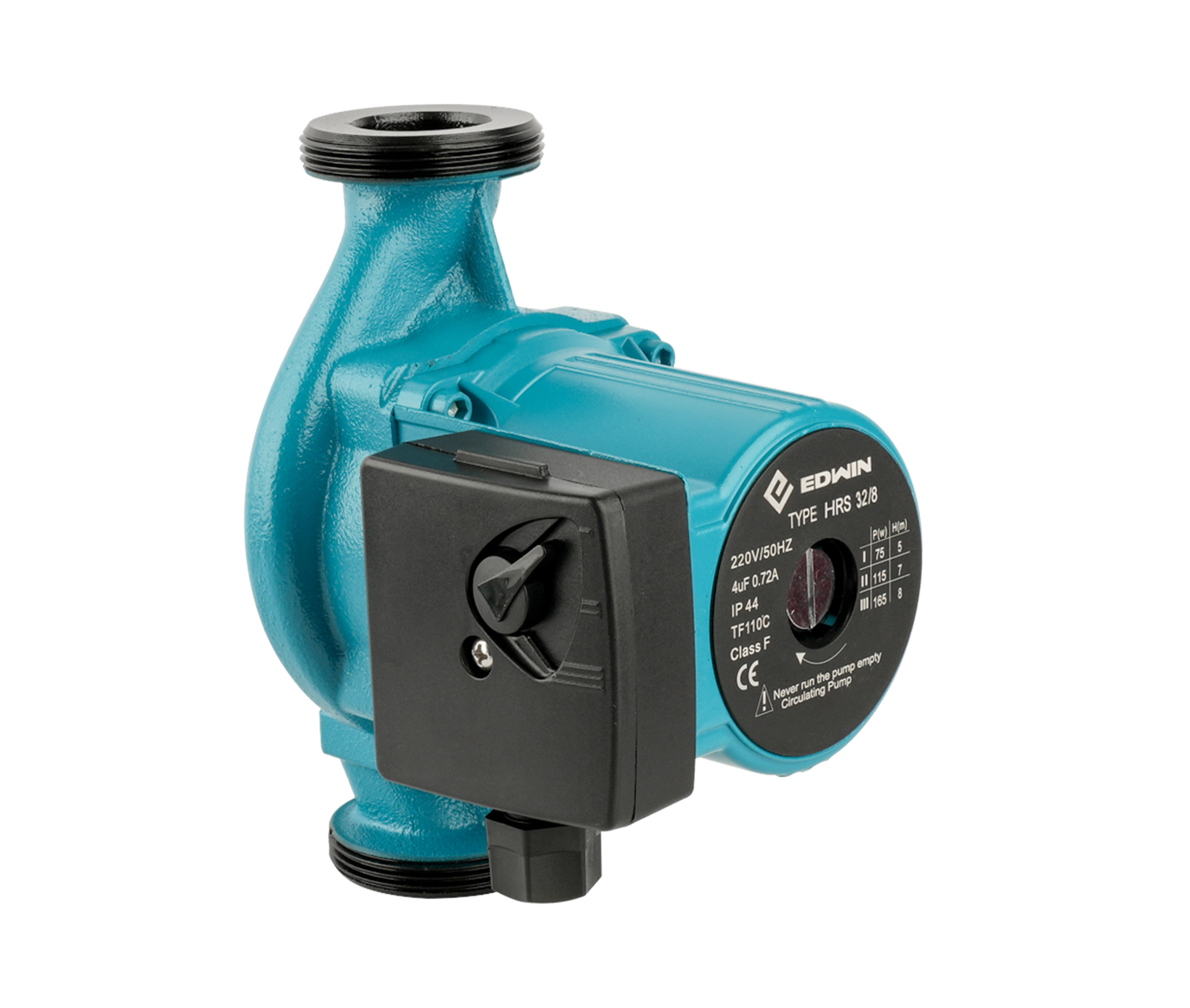
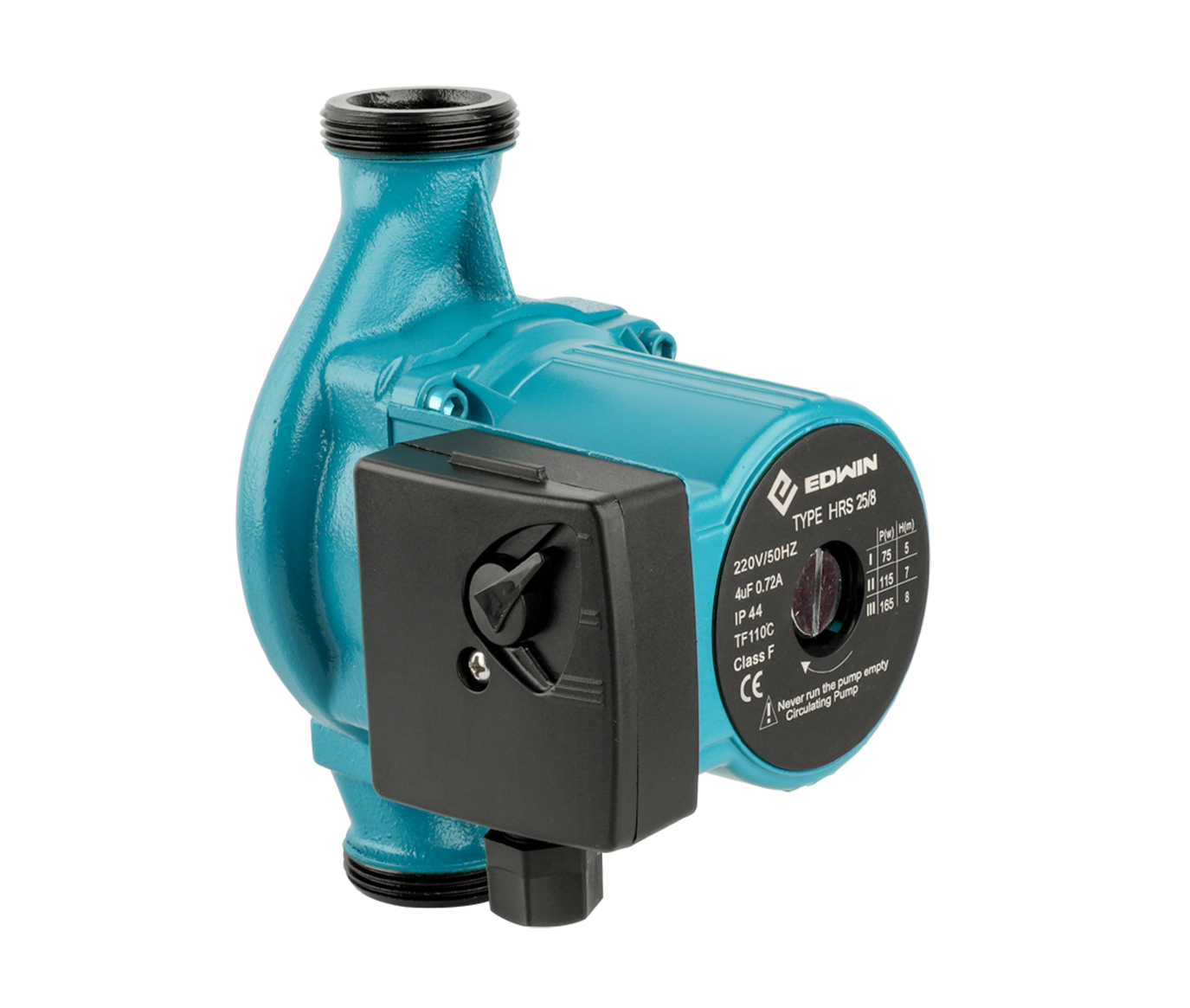
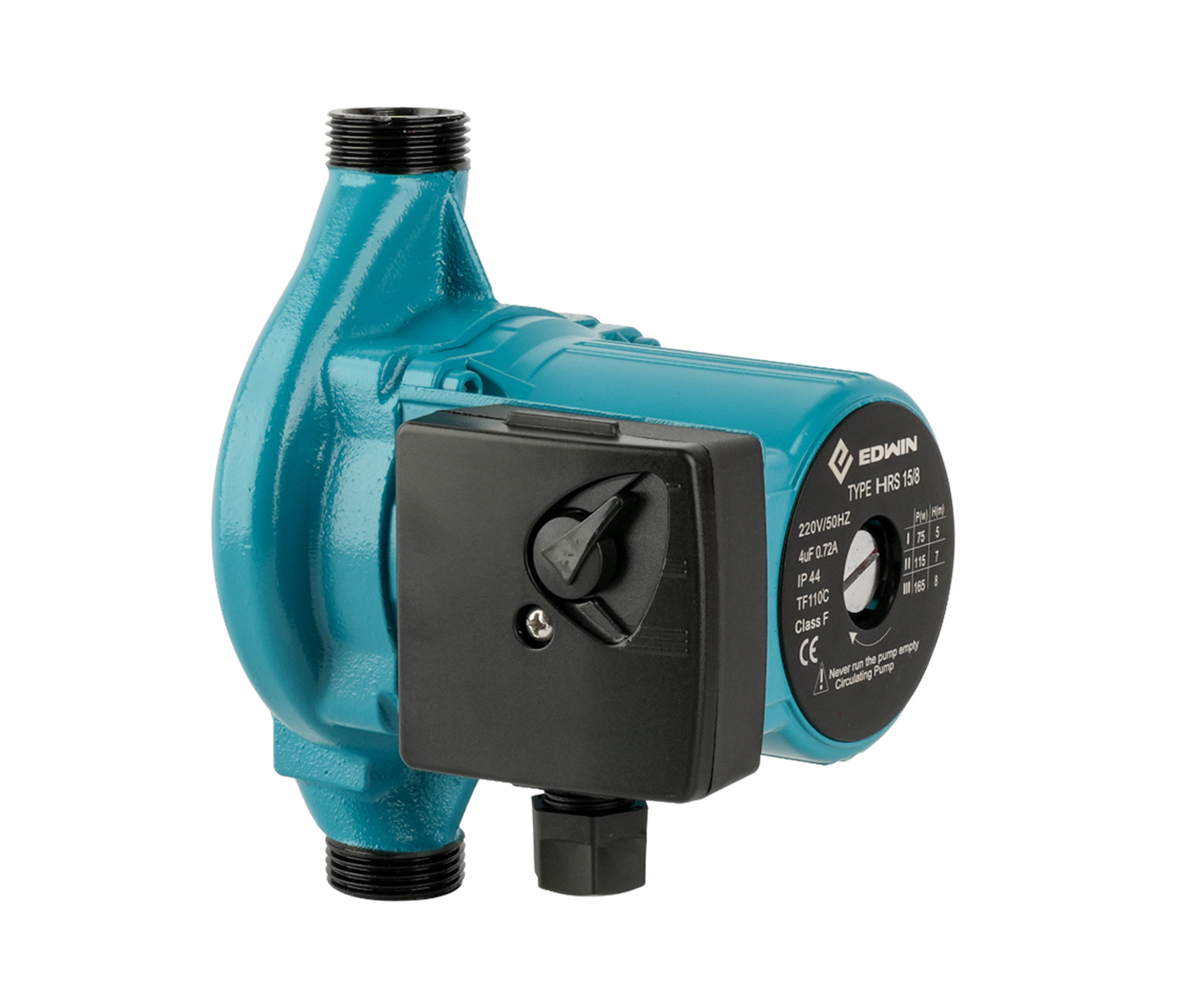
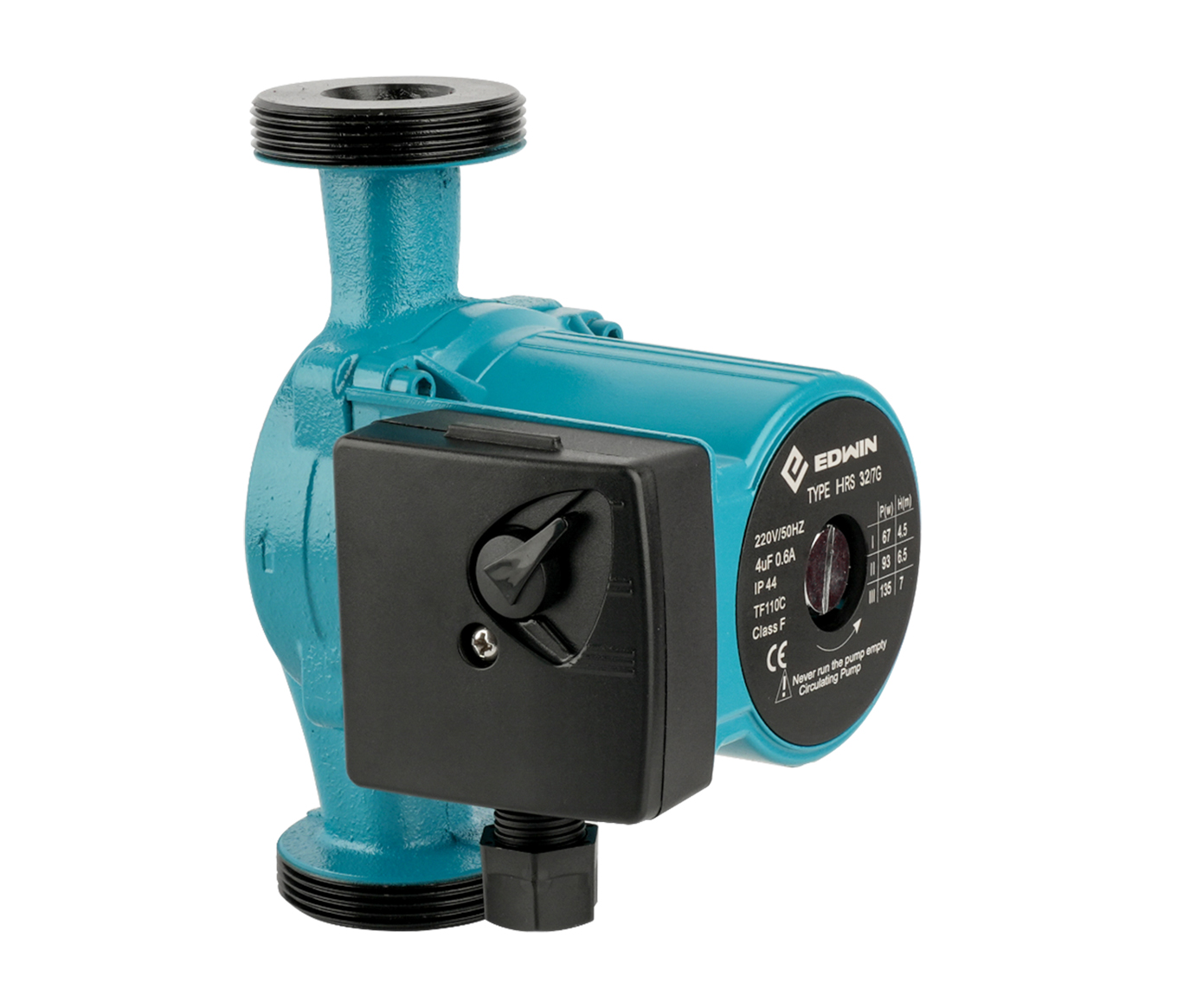
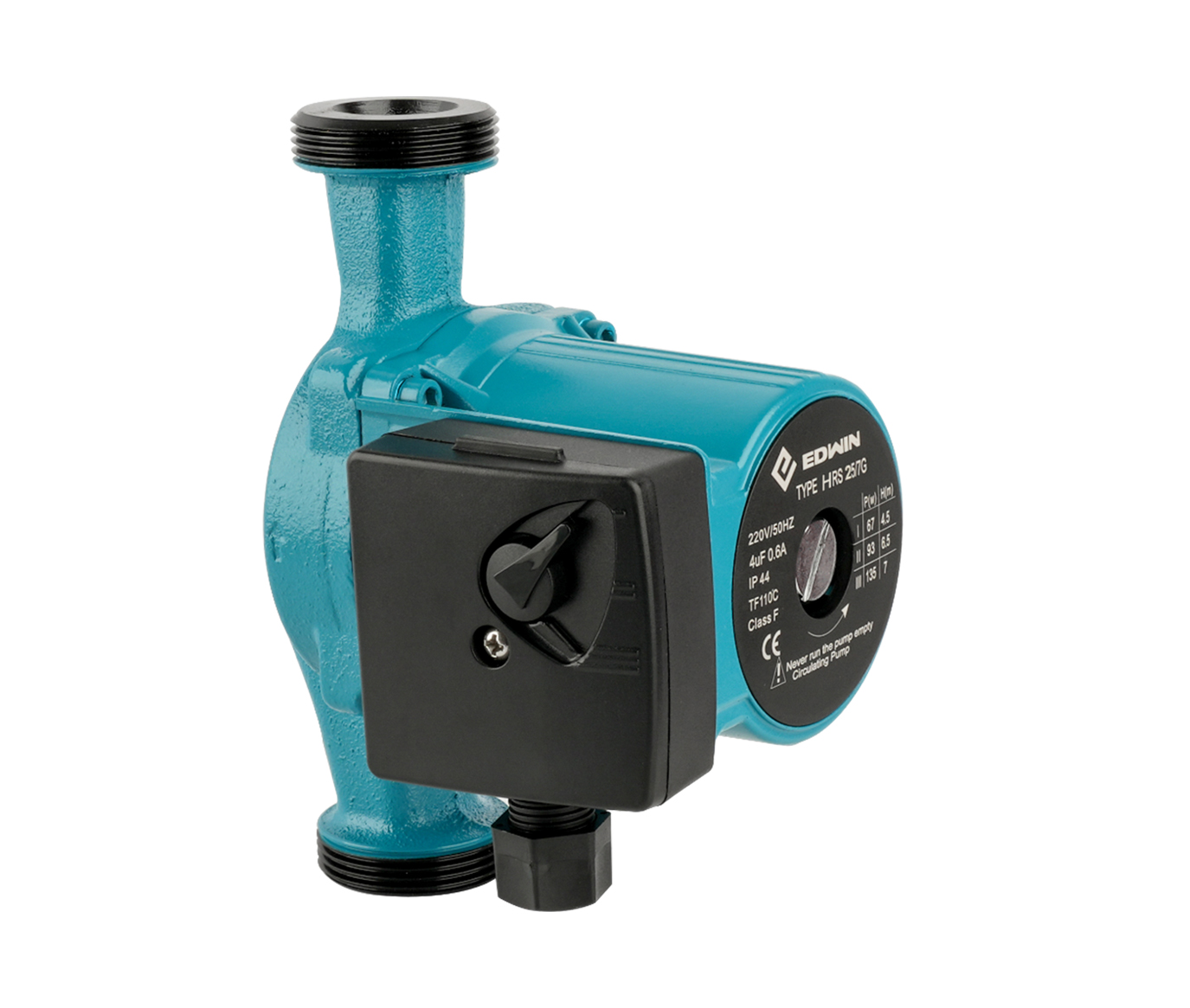
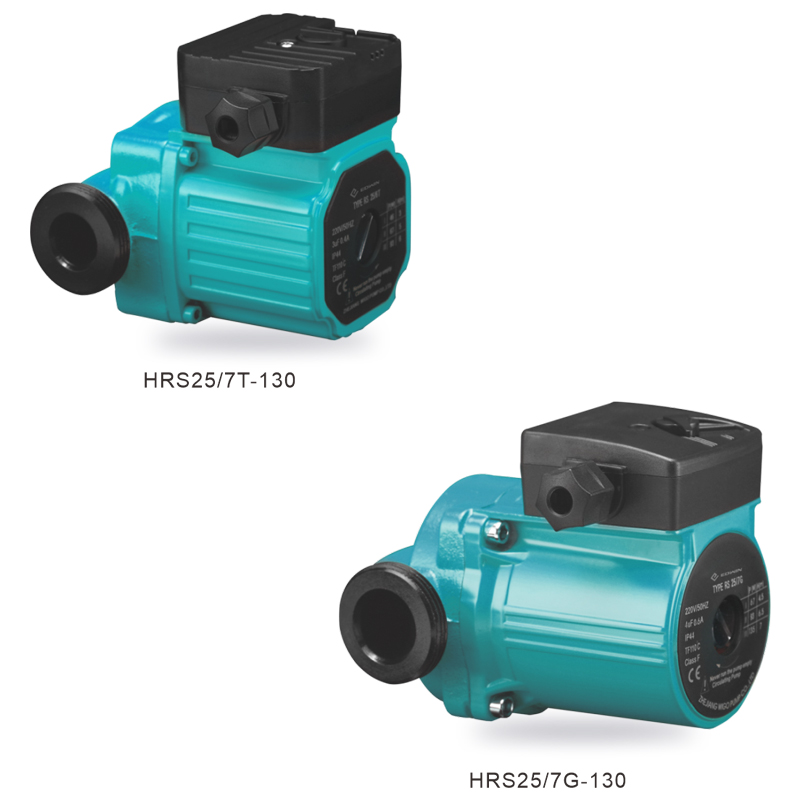
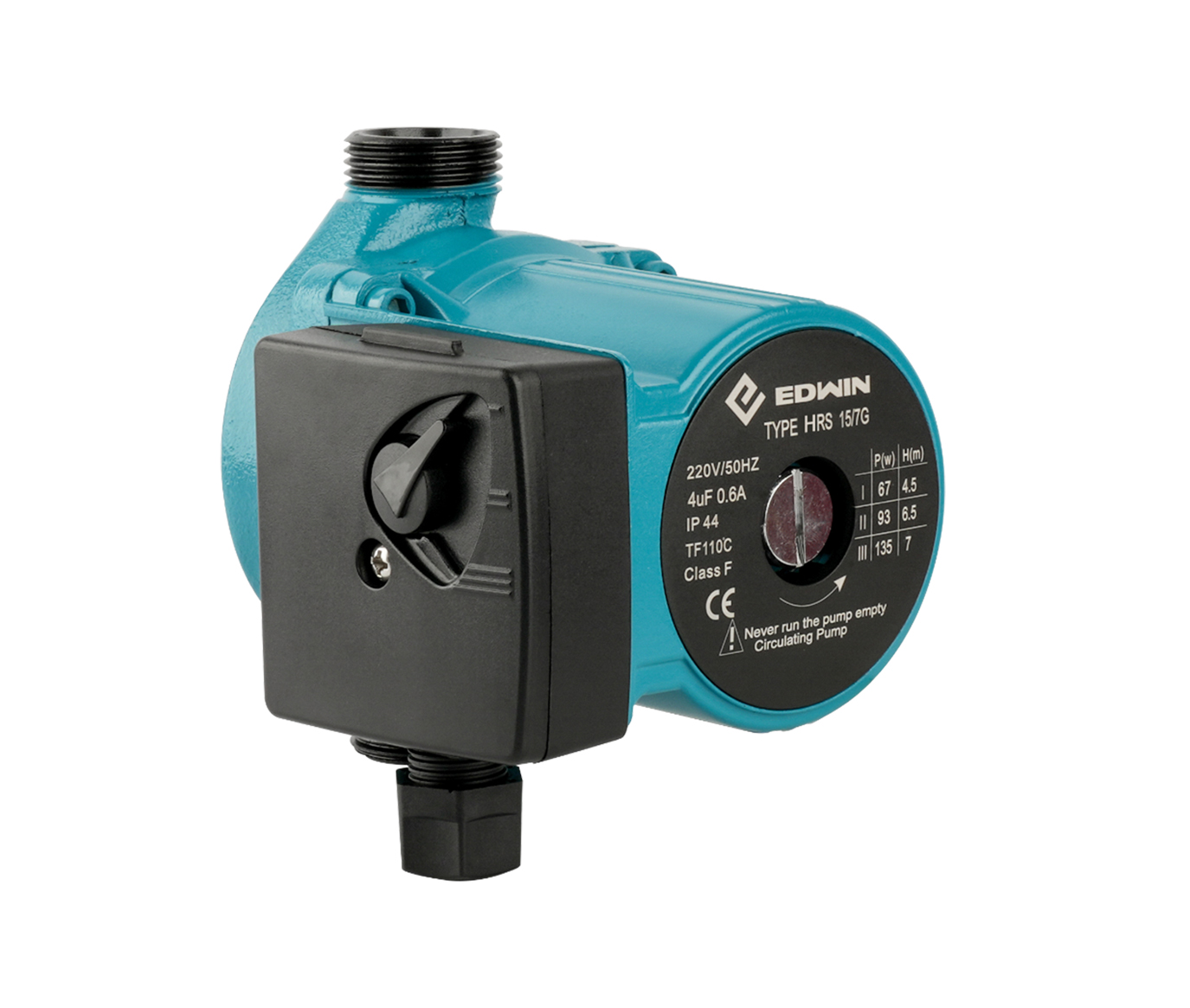
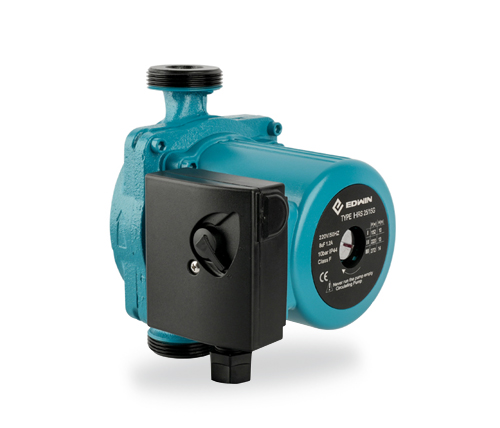
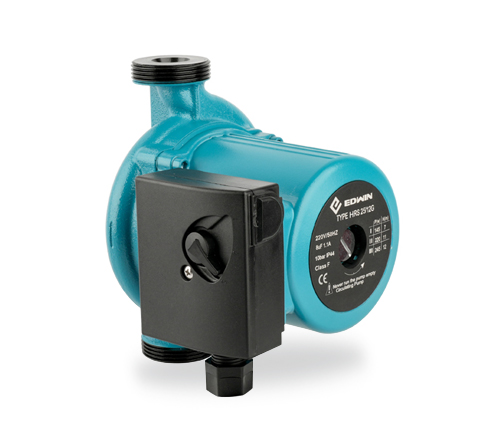
Hot and cold water circulation pumps are devices used in a plumbing system to distribute hot and cold water throughout a building. These pumps work by drawing water from a storage tank or directly from the main water supply and then pushing it through the pipes to the desired location. The circulation of hot water helps to maintain a consistent temperature, preventing the water from becoming too hot or too cold at any given point in the plumbing system. There are several types of hot and cold water circulation pumps available, each with its own unique features and benefits. Some of the most common types include centrifugal pumps, which use a spinning impeller to move water, and positive displacement pumps, which work by trapping a fixed amount of water and then forcing it through the pipes. Additionally, there are also hybrid pumps that combine elements of both centrifugal and positive displacement pumps to create a more efficient and versatile device. The selection of a hot and cold water circulation pump depends on several factors, including the size of the plumbing system, the type of water heating system is used, and the desired flow rate. For example, a large building with a complex plumbing system may require a more powerful pump with a higher flow rate, whereas a smaller building may only need a basic pump with a lower flow rate.


A Submersible Pump is a critical tool for moving water and other fluids from wells, tanks, or reservoirs. Unlike surface pumps, submersible...
READ MOREAccess to groundwater is a critical concern for agriculture, residential use, and industrial operations. A borehole pump is designed to ext...
READ MOREA Deep Well Pump is designed to draw water from wells that are significantly deeper than standard household sources. These pumps are widely...
READ MOREWater management is an essential part of agriculture, and efficient irrigation systems depend on reliable pumps. An Irrigation Pump Factory...
READ MOREA submersible pump factory is responsible for producing pumps that operate fully underwater while maintaining stable performance. These pump...
READ MOREA contemporary electric circulation pump, particularly those with variable speed controls and programmable timers, represents a significant advancement over older, constantly running models. Traditional systems operated on a simple on/off basis, often running continuously and wasting energy to keep an entire loop of piping hot. Modern pumps can be scheduled to operate only during periods of high demand, such as mornings and evenings. Furthermore, intelligent models utilize thermal sensors or adjustable aquastats to activate only when the water temperature in the line drops below a set point, and they often run at the speed required to maintain circulation, drastically reducing electricity consumption. This targeted operation minimizes standby heat loss from the pipes.
Yes, through a specific configuration often referred to as a "comfort system" or using a "demand-controlled" pump with a crossover valve. In homes lacking a dedicated return loop to the water heater, a under-sink pump can be installed at the farthest fixture. Alternatively, a demand-controlled system utilizes a button or motion sensor to activate the pump when hot water is needed, temporarily using the cold water line as a makeshift return path until hot water arrives. This retrofitting option provides faster hot water without the expense and disruption of installing new return piping, though it may be slightly less efficient than a dedicated loop system.
Pump noise, often manifesting as a hum or vibration, is a common concern. Factors influencing noise include the pump's mounting, its inherent motor and impeller design, and system water pressure. To mitigate noise, manufacturers design pumps with composite materials and advanced hydraulics to dampen sound. For installers and homeowners, ensuring the pump is securely mounted on a solid surface with optional vibration isolators and that it is correctly sized for the system's flow requirements is crucial. Properly installed, a modern residential-grade circulation pump should operate at a very low decibel level, often comparable to a quiet refrigerator.
Hot water circulation pumps are employed in a wide array of settings where the immediate availability of hot water is a priority for convenience, hygiene, or operational necessity. Their use spans residential, commercial, and institutional buildings, each with distinct drivers for installation.
In the residential sector, their adoption is growing in both single-family homes and larger luxury apartments. The primary motivation is convenience—eliminating the wait and water waste associated with running a tap until hot water arrives from a distant water heater. This is particularly valued in homes with master bathrooms located far from the utility room or in multi-story designs. Beyond comfort, there is an increasing recognition of water conservation benefits, as thousands of gallons of cold water are not sent down the drain annually while awaiting the hot water to travel through the pipes.
Commercial and hospitality environments are perhaps the common and critical applications. In hotels, consistent and immediate hot water delivery is a fundamental expectation of guest comfort and satisfaction. Circulation systems ensure that hot water is available at every faucet and showerhead on demand. Similarly, in healthcare facilities such as hospitals and nursing homes, reliable hot water is essential for sanitation, patient care, and kitchen services. Restaurants and commercial kitchens also rely on these systems to ensure hot water is instantly available for sanitation and food preparation, adhering to health codes and maintaining efficient workflow.
Institutional and industrial settings utilize these pumps for both practical and hygienic reasons. In schools, universities, and office buildings, they provide efficient service to restrooms and custodial sinks. In industrial facilities or laboratories, certain processes or equipment may require a constant supply of heated water. Across all these applications, the common thread is the need to bridge the gap between the point of water heating and the point of use, ensuring that efficiency, comfort, and operational requirements are met without delay or undue resource expenditure. The strategic implementation of circulation pumps thus represents a key integration point between building design, utility management, and user experience.
+86-13586290903 (WhatsApp)
Xuri Gongliang Cutting Tool Entrepreneurship Park, Wenqiao Town, Wenling City, Taizhou City, Zhejiang Province, China

Hot And Cold Water Circulation Pump Manufacturer


 English