
View All Products
en
Solar panels have revolutionized the way we think about energy and electricity. Solar panels can now be used to power a wide range of equipment, including solar pumps. Solar pumps are water pumps powered by photovoltaic panels that convert sunlight into electricity. They have become increasingly popular as they offer a number of benefits over traditional electricity-powered pumps. First and foremost, solar pumps are incredibly energy efficient. They use the power of the sun to pump water, which means that they do not consume any electricity from the grid. This makes them a cost-effective option for those who live in remote areas where grid electricity is either not available or very expensive. In addition, solar pumps are environmentally friendly, as they do not emit any harmful greenhouse gases, unlike traditional pumps that rely on fossil fuels another major advantage of solar pumps is their versatility. They can be used to pump water for a wide range of applications, such as irrigation, water supply, and livestock watering. They can be used in both small and large-scale operations, making them suitable for both residential and commercial purposes. Additionally, solar pumps can be used in any location, as long as there is enough sunlight. This makes them ideal for rural areas where there is no access to the grid. Solar pumps are also very durable and require minimal maintenance. The photovoltaic panels used in solar pumps are made from high-quality materials, making them extremely durable and resistant to the elements. The panels can last for over 25 years, making them a long-term investment for those who want to use them. In addition, solar pumps do not require any fuel, oil, or other consumables, making them low maintenance and cost-effective in the long run.
A Submersible Pump is a critical tool for moving water and other fluids from wells, tanks, or reservoirs. Unlike surface pumps, submersible...
READ MOREAccess to groundwater is a critical concern for agriculture, residential use, and industrial operations. A borehole pump is designed to ext...
READ MOREA Deep Well Pump is designed to draw water from wells that are significantly deeper than standard household sources. These pumps are widely...
READ MOREWater management is an essential part of agriculture, and efficient irrigation systems depend on reliable pumps. An Irrigation Pump Factory...
READ MOREA submersible pump factory is responsible for producing pumps that operate fully underwater while maintaining stable performance. These pump...
READ MORESolar panels convert sunlight into electrical energy through photovoltaic cells. This energy is used to drive the pump's motor, which can be either DC or AC depending on the system. In typical solar pumping systems, the electricity generated flows directly to the pump controller or inverter, regulating voltage and current to maintain stable operation. When sunlight intensity fluctuates, the pump's speed adjusts automatically, ensuring efficient water flow without the need for an external power source.
The number of solar panels depends on the pump's power rating, water flow requirements, and well depth. For example, small livestock or irrigation pumps may need just a few hundred watts, while larger deep well systems may require several kilowatts. Panel orientation, geographic location, and seasonal sunlight availability also affect the total number of panels needed. Proper sizing ensures that the pump runs efficiently without overloading or underperforming.
Solar panels can be paired with batteries to store energy, allowing the pump to operate during cloudy days or at night. However, many modern solar pumps are designed to work directly from panels without storage. Battery systems add cost and maintenance requirements, but they provide a reliable water supply when sunlight is insufficient. Choosing between direct solar operation or battery-assisted systems depends on water demand, location, and budget.
High-quality solar panels typically last 20 to 25 years, with gradual efficiency loss over time. Panels should be installed in a location free from shading and regularly cleaned to maintain maximum output. Proper maintenance helps ensure long-term performance and consistent water delivery.
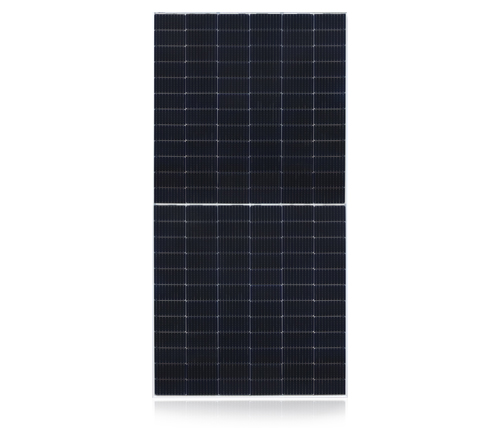
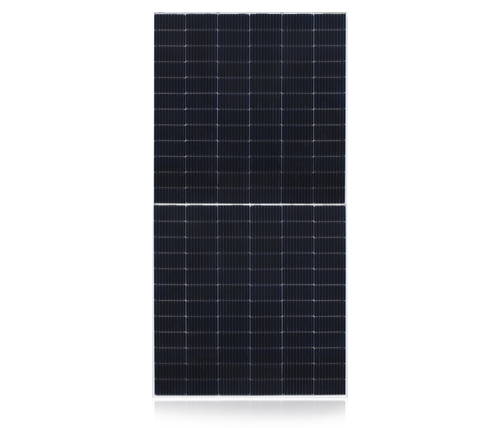
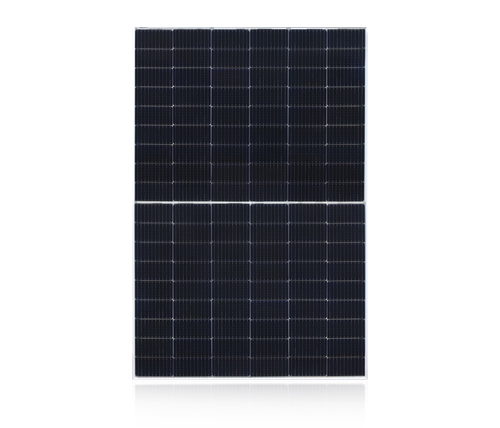
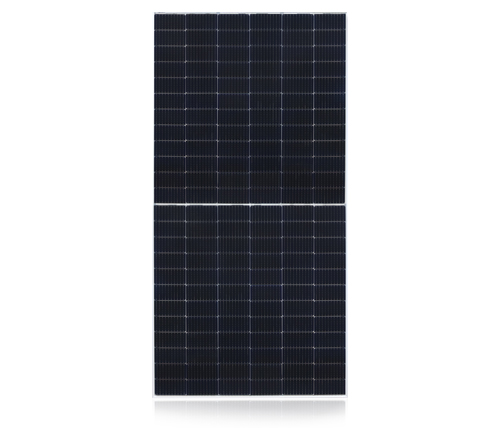
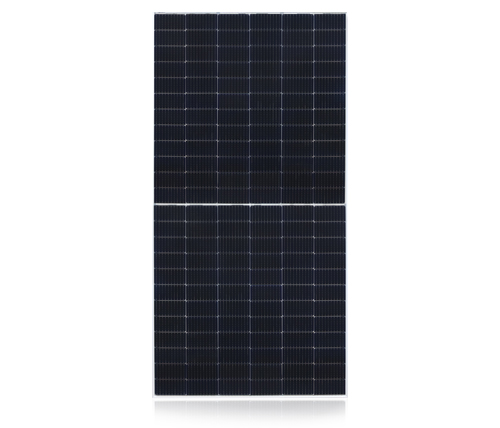
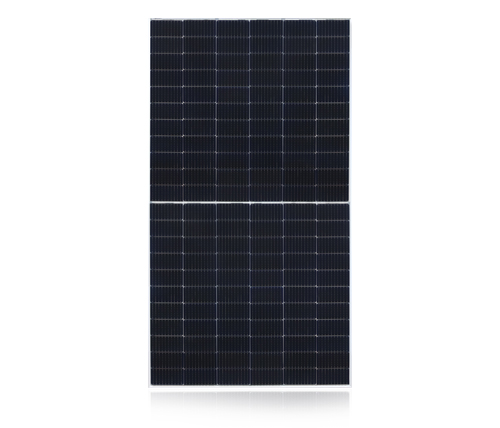
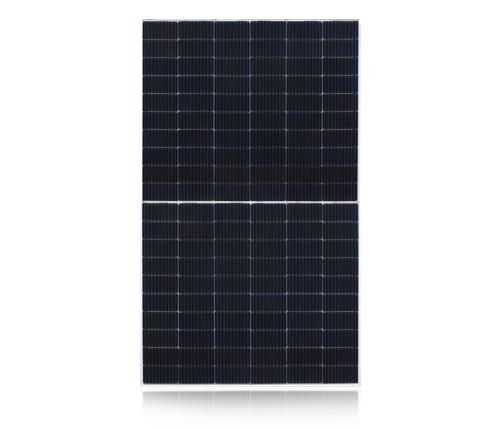
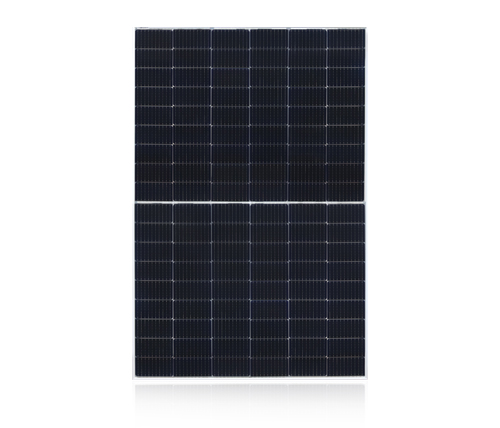
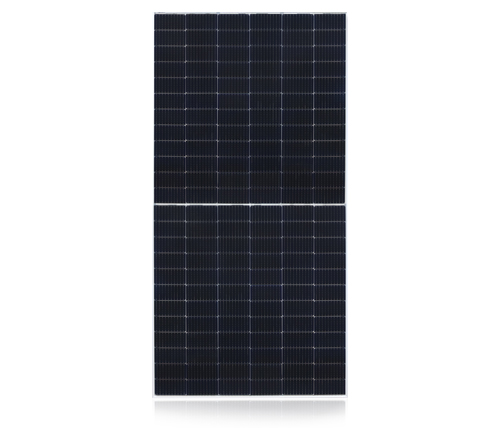
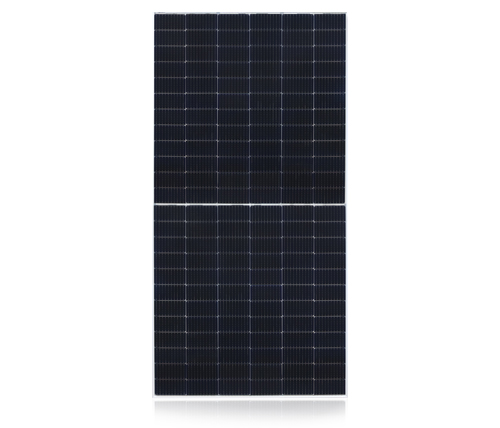
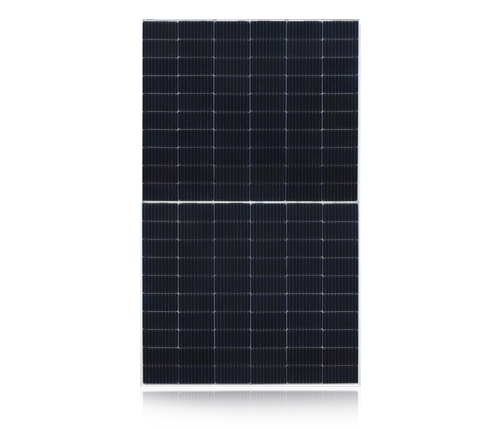
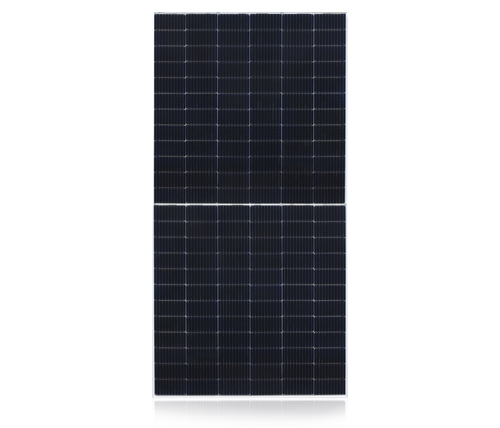
Solar panels for well pumps are constructed from durable materials designed to withstand environmental exposure and provide long-term performance. The core component of a solar panel is the photovoltaic (PV) cell, usually made from silicon. There are two main types of silicon cells used: monocrystalline and polycrystalline. Monocrystalline cells are highly efficient and take up less space, making them suitable for systems with limited roof or land area. Polycrystalline cells are slightly less efficient but more cost-effective, offering a balance between performance and price.
The panel frame is typically made from anodized aluminum, which provides structural strength, corrosion resistance, and ease of installation. Aluminum frames also allow secure mounting on roofs, poles, or adjustable racks for sun exposure.
The encapsulant is a protective layer, often made of ethylene-vinyl acetate (EVA), which cushions the PV cells and maintains their alignment. EVA protects the cells from mechanical stress, moisture, and temperature fluctuations.
The front cover is usually made of tempered glass, which is highly transparent, resistant to impact, and capable of withstanding wind, rain, and debris. It allows sunlight to pass through while protecting the cells from damage.
The backsheet is typically made of polymer-based materials such as polyvinyl fluoride or polyester, providing insulation, mechanical support, and protection against moisture penetration. High-quality backsheets improve panel durability and prevent short circuits.
Wiring and junction boxes are made from weather-resistant copper or tinned copper, often encased in UV-stabilized plastic, ensuring safe electrical connections and long-term reliability.
These materials provide a robust, efficient, and weather-resistant solar panel capable of powering solar pumps reliably over decades, even in harsh outdoor environments. Proper material selection directly affects energy conversion efficiency, panel longevity, and overall system performance.
+86-13586290903 (WhatsApp)
Xuri Gongliang Cutting Tool Entrepreneurship Park, Wenqiao Town, Wenling City, Taizhou City, Zhejiang Province, China

Solar Panels For Solar Pump Manufacturer


 English