
View All Products
en
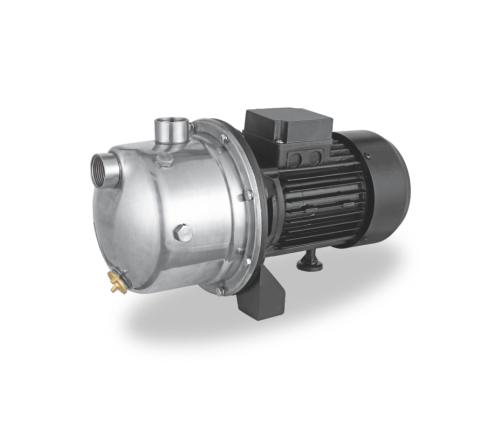
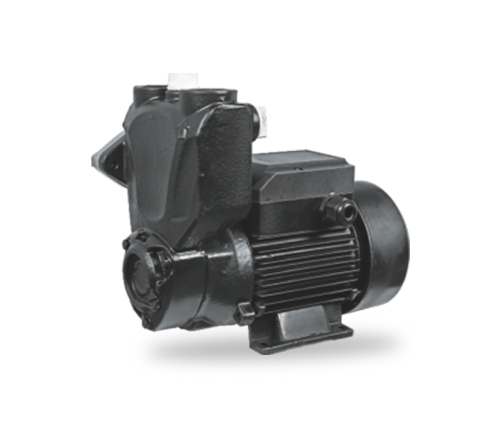
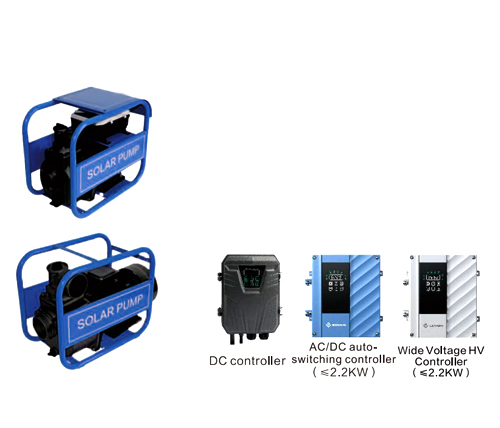
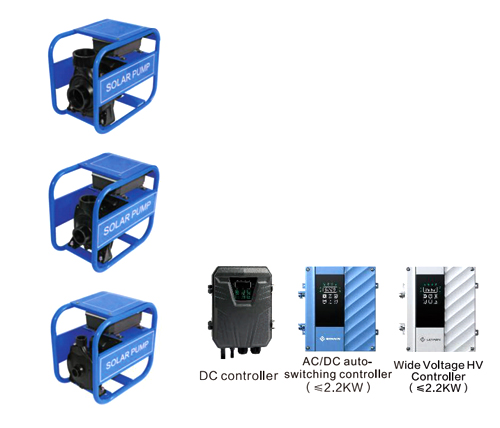
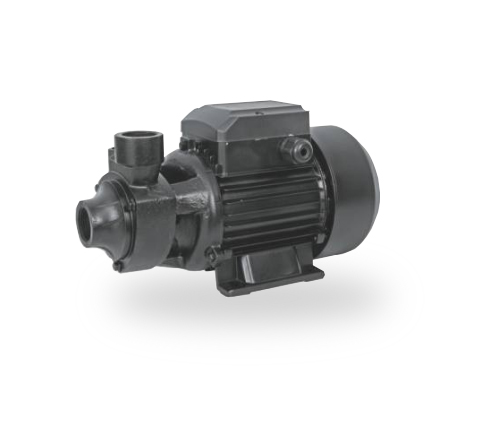
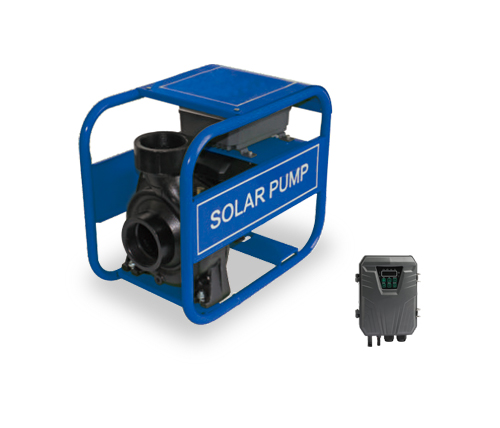
A surface solar pump is a pump that operates using solar power. This type of pump is becoming increasingly popular due to its eco-friendliness and cost-effectiveness. Solar pumps are particularly well-suited for use in remote areas where traditional power sources are not available. They are also ideal for use in areas where water is required for irrigation, livestock, or domestic use. A surface solar pump typically consists of a photovoltaic (PV) panel, a pump controller, and a pump. The PV panel converts the energy from the sun into electrical energy. This energy is then stored in a battery and used to power the pump controller, which regulates the flow of electricity to the pump. The pump is responsible for moving the water from one location to another. One of the major advantages of surface solar pumps is that they are completely independent of the electrical grid. This means that they can be installed in remote areas without the need for expensive and time-consuming infrastructure. They are also cost-effective in the long run, as the initial investment in the equipment is quickly offset by savings on energy costs. Moreover, unlike traditional pumps, solar pumps do not require fuel, making them more eco-friendly. Surface solar pumps are also very easy to maintain. Unlike traditional pumps, which require regular maintenance and servicing, solar pumps are relatively low-maintenance. They do not have any moving parts, which reduces the likelihood of mechanical failure. This means that they are more reliable and require less attention, allowing farmers, livestock owners, and other users to focus on other aspects of their operations.

A Submersible Pump is a critical tool for moving water and other fluids from wells, tanks, or reservoirs. Unlike surface pumps, submersible...
READ MOREAccess to groundwater is a critical concern for agriculture, residential use, and industrial operations. A borehole pump is designed to ext...
READ MOREA Deep Well Pump is designed to draw water from wells that are significantly deeper than standard household sources. These pumps are widely...
READ MOREWater management is an essential part of agriculture, and efficient irrigation systems depend on reliable pumps. An Irrigation Pump Factory...
READ MOREA submersible pump factory is responsible for producing pumps that operate fully underwater while maintaining stable performance. These pump...
READ MOREDC surface solar pumps are widely used for small-scale irrigation, livestock watering, and remote water transfer, but they also have several practical disadvantages that should be considered before selection. One of the main limitations is their dependence on sunlight availability. Because DC surface solar pumps are typically powered directly by solar panels without battery storage, their performance fluctuates with solar radiation. On cloudy days or during early morning and late afternoon hours, water output may be reduced, which can limit reliability in applications requiring consistent flow.
Another disadvantage is limited pumping capacity. Surface pumps rely on suction, which restricts their effective lifting height, usually to around 7–8 meters under ideal conditions. This makes DC surface solar pumps unsuitable for deep wells or locations where the water source is far below ground level. Their flow rate and pressure are also generally lower than those of larger AC or hybrid pump systems.
Initial system matching and setup can also present challenges. DC pumps must be carefully matched with the correct solar panel voltage and power range. Improper matching may result in inefficient operation or frequent shutdowns. In addition, DC motors and controllers can be sensitive to voltage fluctuations caused by partial shading or panel degradation.
Maintenance and durability are further considerations. While DC pumps often have fewer moving parts, replacement components such as controllers or specialized motors may not be as widely available as standard AC pump parts. This can increase downtime in remote areas.
A solar surface pump system consists of several key components that work together to convert solar energy into water movement. Understanding these components helps users better evaluate system performance and maintenance needs.
The visible component is the solar panel array, which captures sunlight and converts it into direct current electricity. The size and configuration of the panels determine how much power is available to drive the pump. Proper panel orientation and tilt are essential to achieve stable performance throughout the day.
Next is the DC motor, which converts electrical energy into mechanical rotation. In solar surface pumps, the motor is typically designed for high efficiency at variable speeds, allowing it to respond to changing sunlight levels. The motor is directly connected to the pump shaft or coupled through a simple transmission system.
The pump body and impeller form the hydraulic core of the system. The impeller rotates to create centrifugal force, drawing water into the pump and pushing it toward the outlet. Pump casings are commonly made from cast iron, stainless steel, or reinforced plastics, depending on water quality and environmental conditions.
A controller is another important component. It regulates voltage and current from the solar panels, protects the motor from overload, and may include features such as soft start or dry-run protection. Some systems also include basic sensors to monitor flow or operating status.
Additional components include suction and discharge pipes, foot valves or check valves, and mounting structures. Together, these elements ensure that the solar surface pump operates safely, efficiently, and reliably.
Solar centrifugal pumps can be classified into several common types based on their design and application. Each type serves specific water transfer needs and operating conditions.
Surface Solar Centrifugal Pumps are installed above the water source and use suction to lift water. They are commonly used for ponds, rivers, storage tanks, and shallow wells. Their simple installation and accessibility make them popular for irrigation and water transfer in open environments.
Submersible Solar Centrifugal Pumps operate fully submerged in the water source. Instead of pulling water, they push it upward, which allows them to work efficiently at greater depths. These pumps are widely used in boreholes and deep wells where surface pumps are ineffective due to suction limits.
Single-Stage Solar Centrifugal Pumps use one impeller to generate flow and moderate pressure. They are suitable for applications requiring high flow rates but relatively low head, such as surface irrigation or tank filling.
Multi-Stage Solar Centrifugal Pumps consist of multiple impellers arranged in series. Each stage increases pressure, making these pumps ideal for deep well pumping, long-distance water transport, and elevated storage systems.
Horizontal and Vertical Configurations also exist within solar centrifugal pump categories. Horizontal pumps are typically easier to install and maintain, while vertical designs are more compact and suitable for confined spaces.
+86-13586290903 (WhatsApp)
Xuri Gongliang Cutting Tool Entrepreneurship Park, Wenqiao Town, Wenling City, Taizhou City, Zhejiang Province, China

DC Surface Solar Pump Manufacturer


 English