
View All Products
en
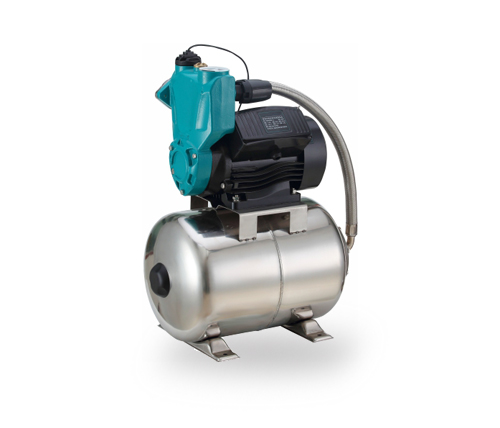
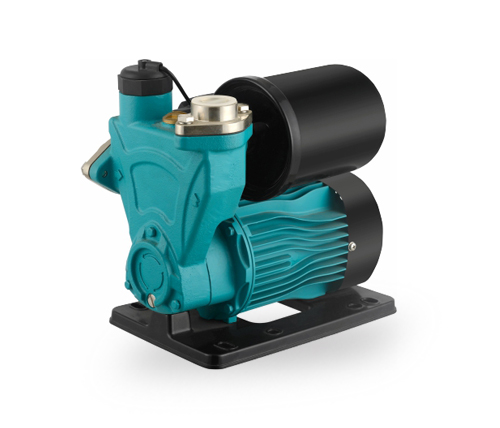
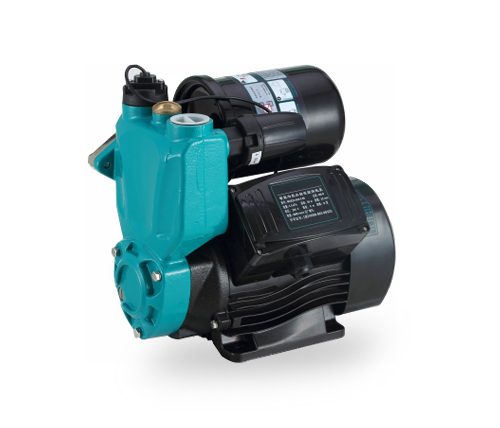
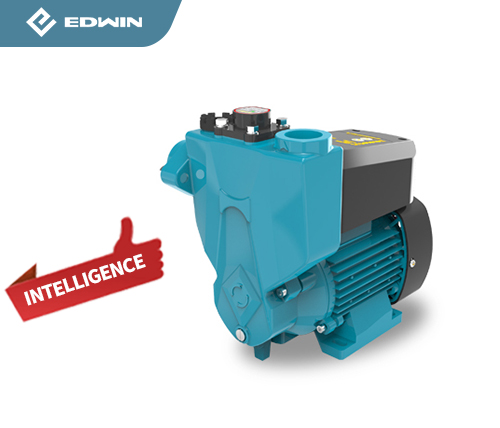
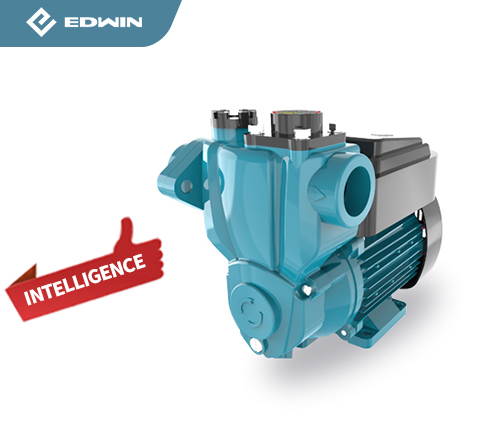
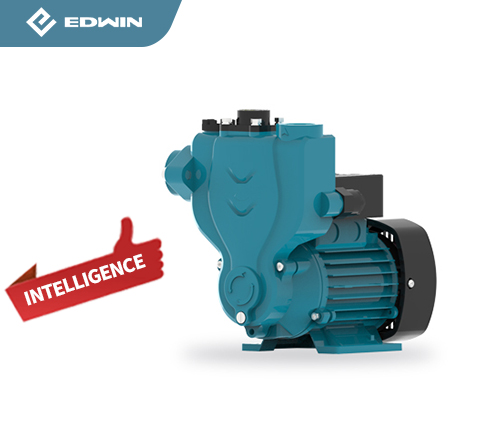
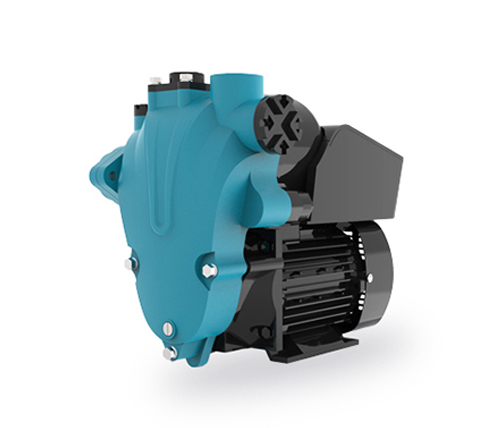
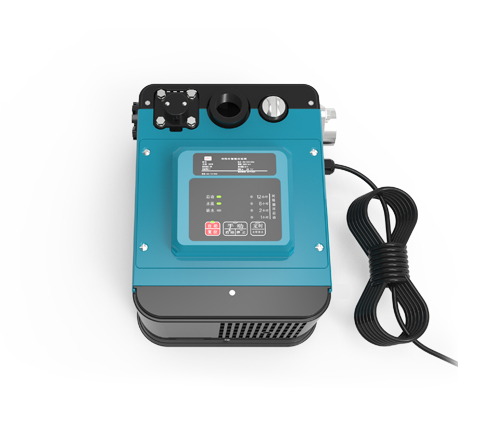
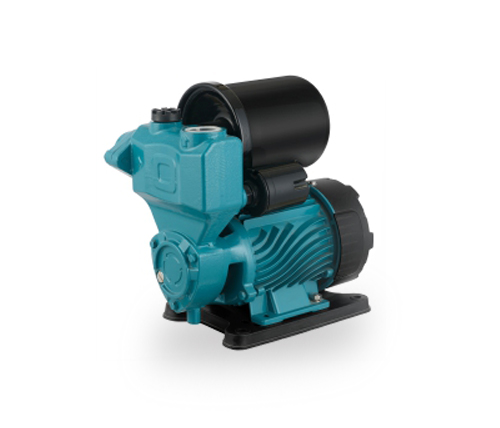
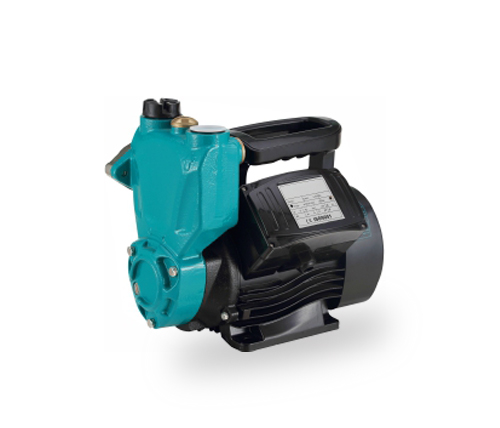
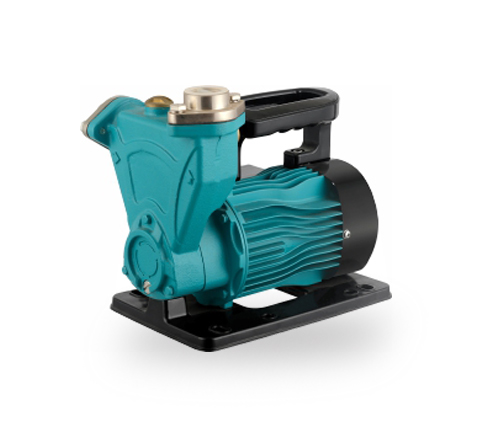
Self-priming peripheral pumps are a type of centrifugal pump that is commonly used in various applications, ranging from water transfer to chemical processing. Unlike traditional centrifugal pumps, self-priming peripheral pumps are designed to remove air and other entrained gases from the fluid being pumped, allowing them to prime themselves without the need for manual intervention. This makes them an ideal choice for applications where the fluid being pumped is not always present, such as wells, tanks, or other types of low-level reservoirs. The self-priming process is achieved through the use of a unique design that includes a suction pipe and a venturi or ejector. The suction pipe draws fluid into the pump and the venturi or ejector mixes air and fluid, creating a low-pressure area that helps to evacuate air from the fluid. This allows the pump to prime itself automatically, making it much more convenient and reliable than traditional centrifugal pumps. One of the biggest advantages of self-priming peripheral pumps is their ability to handle liquids with high levels of entrained air and other gases. In many applications, traditional centrifugal pumps can quickly become clogged with air, leading to a reduction in efficiency and even pump failure. However, self-priming peripheral pumps are able to handle these types of fluids with ease, ensuring consistent and reliable performance. Another important benefit of self-priming peripheral pumps is their ease of use. Unlike traditional centrifugal pumps, which require manual priming and can be difficult to start, self-priming peripheral pumps are able to prime themselves automatically, making them much simpler and more convenient to use. This can save time and increase productivity, especially in applications where the pump needs to be started and stopped frequently.


A Submersible Pump is a critical tool for moving water and other fluids from wells, tanks, or reservoirs. Unlike surface pumps, submersible...
READ MOREAccess to groundwater is a critical concern for agriculture, residential use, and industrial operations. A borehole pump is designed to ext...
READ MOREA Deep Well Pump is designed to draw water from wells that are significantly deeper than standard household sources. These pumps are widely...
READ MOREWater management is an essential part of agriculture, and efficient irrigation systems depend on reliable pumps. An Irrigation Pump Factory...
READ MOREA submersible pump factory is responsible for producing pumps that operate fully underwater while maintaining stable performance. These pump...
READ MOREA self-priming peripheral pump, also known as a regenerative turbine pump, is a centrifugal pump variant designed to automatically evacuate air from its suction line and pump casing to create a vacuum that draws water up from a source below the pump. This self-priming capability distinguishes it from standard centrifugal pumps, which require a flooded suction to operate. Its primary use is for applications where the pump is installed above the water level, such as beside a well, tank, or pond.
The pump's impeller has numerous small, radial vanes on its periphery that recirculate fluid within the casing, building pressure through multiple stages of energy transfer. This design is particularly suited for generating relatively high discharge pressures at low to moderate flow rates. Common applications include domestic water supply from shallow wells or rainwater tanks, garden irrigation systems, boosting water pressure in residential and light commercial buildings, and general dewatering or transfer of clean or slightly turbid water. It is not typically designed for handling large solids or highly abrasive slurries, but its ability to prime and re-prime itself without manual intervention makes it exceptionally convenient and reliable for cyclical or intermittent duties where the suction line may lose its prime.
Selecting the correct size involves balancing hydraulic requirements with electrical supply and physical constraints. The key factors are interrelated and must be evaluated as a system.
|
Factor |
Description |
Consideration |
|
Flow Rate (Q) |
The volume of water required per unit of time (e.g., liters per minute, gallons per minute). |
Determined by the demand of all outlets (taps, sprinklers, appliances) that may operate simultaneously. |
|
Total Dynamic Head (TDH) |
The total pressure the pump must overcome, measured in meters or feet of head. |
The sum of: Static Head (vertical lift from water level to discharge point), Friction Loss (resistance in pipes/fittings), and Discharge Pressure (required pressure at the outlet). |
|
Pump Performance Curve |
A graph provided by the manufacturer showing the relationship between a pump's Flow Rate and Total Dynamic Head. |
The required (Q, TDH) point should lie on or near the pump's curve, ideally close to its Better Efficiency Point (BEP) for performance. |
|
Power Supply & Motor Rating |
The available voltage (e.g., 1-phase 230V, 3-phase 400V) and the motor power in kilowatts (kW). |
The motor must have adequate power to deliver the required performance without overload. The electrical supply must match the motor's specifications. |
|
Suction Lift & NPSHa |
The vertical distance from the pump to the water source, critical for self-priming models. |
Must be within the pump's specified priming lift capability (typically 4-8 meters maximum). Net Positive Suction Head Available (NPSHa) must exceed the pump's NPSH Required to prevent cavitation. |
While self-priming peripheral pumps are valued for their convenience, their operation can generate noticeable noise and vibration. Addressing these factors is important for user comfort, pump longevity, and installation integrity.
Sources of Noise and Vibration:
Mitigation Strategies:
+86-13586290903 (WhatsApp)
Xuri Gongliang Cutting Tool Entrepreneurship Park, Wenqiao Town, Wenling City, Taizhou City, Zhejiang Province, China

Self-priming Peripheral Pump Manufacturer


 English