
View All Products
en
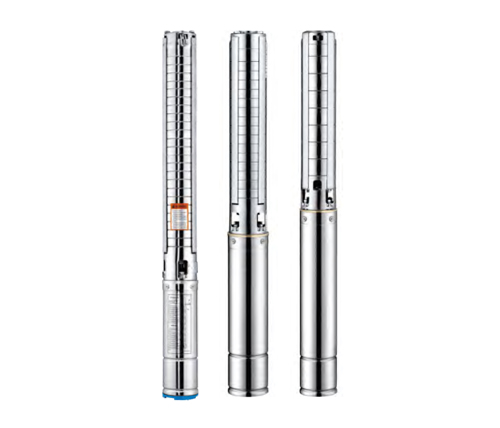
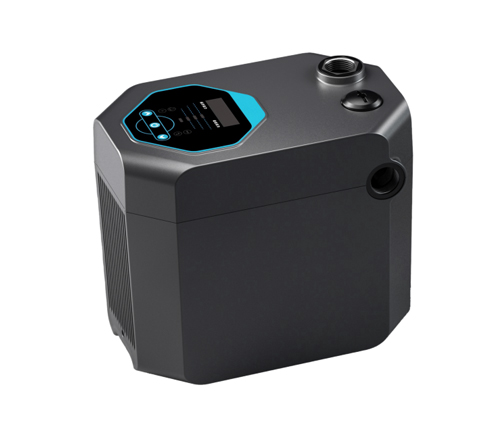
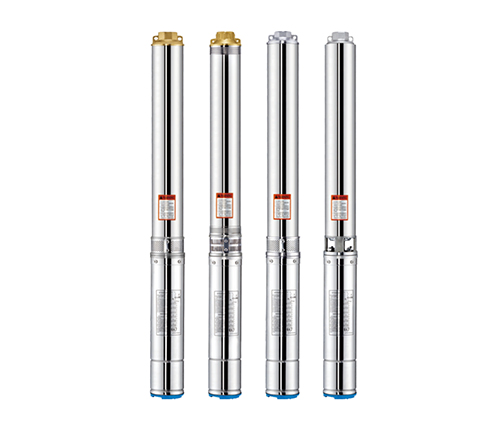
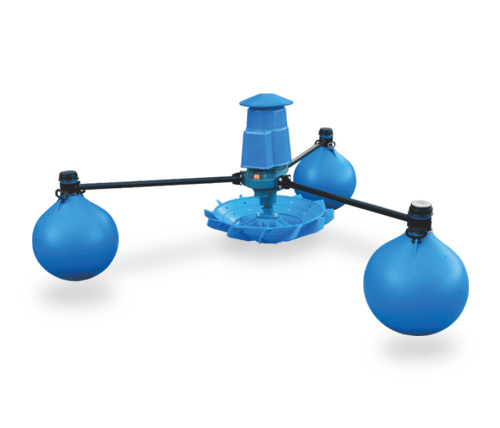
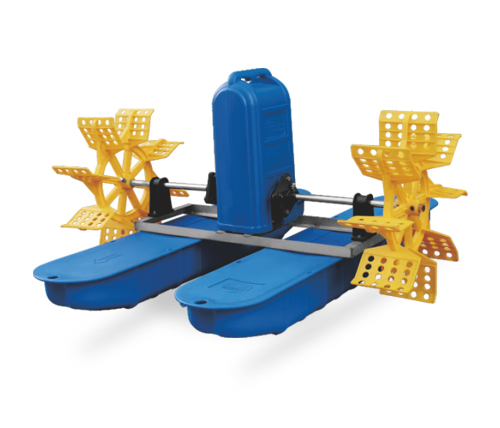
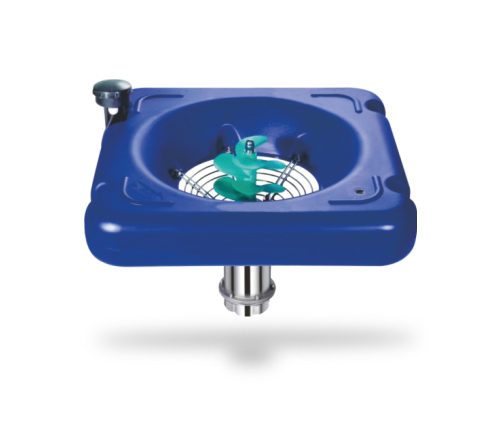
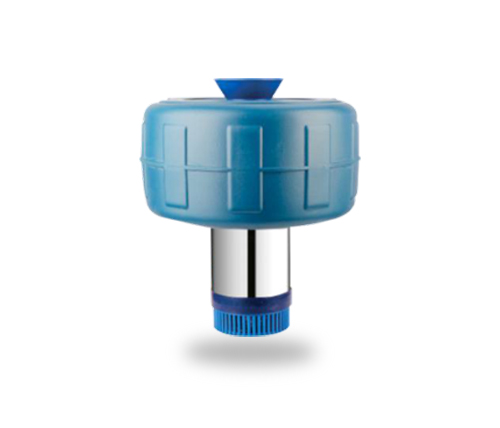


A Submersible Pump is a critical tool for moving water and other fluids from wells, tanks, or reservoirs. Unlike surface pumps, submersible...
READ MOREAccess to groundwater is a critical concern for agriculture, residential use, and industrial operations. A borehole pump is designed to ext...
READ MOREA Deep Well Pump is designed to draw water from wells that are significantly deeper than standard household sources. These pumps are widely...
READ MOREWater management is an essential part of agriculture, and efficient irrigation systems depend on reliable pumps. An Irrigation Pump Factory...
READ MOREA submersible pump factory is responsible for producing pumps that operate fully underwater while maintaining stable performance. These pump...
READ MOREThe chasm between household and industrial water pumps is defined by scale, purpose, and engineering philosophy, reflecting the vastly different demands of a single residence versus a continuous process facility.
From the perspective of scale and performance parameters, household pumps are designed for intermittent, relatively low-volume duty. They typically handle flow rates from a few gallons per minute (GPM) to perhaps 50 GPM, at pressures sufficient to supply fixtures and appliances, often measured in tens of pounds per square inch (PSI). Their operational runtime is sporadic, aligning with daily usage patterns. Industrial pumps, conversely, are built for near-continuous or continuous operation, moving hundreds or thousands of GPM, often against extremely high system pressures or viscous fluids. Their performance curves are steep, prioritizing constant volumetric delivery over on-demand response.
The design and construction materials further underscore this divide. Household pumps, such as jet pumps or small centrifugal submersibles, often feature cast iron or thermoplastic casings, stainless steel or bronze impellers, and standard motor insulation. They are engineered for cost-effectiveness and quiet operation. Industrial pumps are constructs of durability and specialization. Materials like duplex stainless steel, high-grade alloys, or specialized coatings are common to resist chemical attack, abrasion, or high temperatures. Seals are sophisticated mechanical or gland packings designed for zero leakage under conditions, and bearings are heavy-duty to withstand constant radial and axial loads.
The operational complexity and control also differ markedly. A household pump is usually governed by a simple pressure switch, automatically starting and stopping to maintain preset pressure in a storage tank. Its control system is elementary. An industrial pump is a node in a complex process loop. Its operation is integrated with programmable logic controllers (PLCs), variable frequency drives (VFDs) for precise speed and flow modulation, and an array of sensors monitoring temperature, vibration, and flow. Safety interlocks and redundancy systems are standard, as failure can halt an entire production line.
Selecting the correct pump for an irrigation system is a balance of water source, energy availability, field topography, and crop requirements. The right pump ensures efficient water delivery, conserves energy, and promotes crop growth. The common types used in agriculture include centrifugal pumps, submersible pumps, and turbine pumps, each with distinct advantages for specific scenarios.
Centrifugal pumps are the ubiquitous workhorses of surface water irrigation. They operate on the principle of centrifugal force, where a rotating impeller imparts kinetic energy to the water, converting it to pressure at the discharge. They are ideal for pumping from rivers, ponds, or shallow wells where the suction lift is within limits (typically less than 25 feet). Their simplicity, relatively low cost, and ability to handle somewhat sediment-laden water make them popular for flood, furrow, and many sprinkler systems. However, their efficiency drops sharply if asked to pull water from significant depths.
For deeper water sources, such as tube wells, submersible pumps and turbine pumps are the solutions. A submersible pump is a hermetically sealed unit—both motor and pump stages—that is submerged directly in the water source. This design eliminates suction lift problems and pushes water efficiently to the surface, making it highly efficient for deep wells. It is also notably quiet from the surface. Turbine pumps (or vertical turbine pumps) feature a surface-mounted motor connected via a long vertical shaft to impeller bowls located deep in the well. They are renowned for their high-efficiency and ability to produce very high pressures, suitable for large center-pivot sprinkler systems or deep wells where submersible motors might be impractical due to size or serviceability concerns.
|
Pump Type |
Ideal Water Source |
Key Advantage |
Typical Irrigation Use |
Primary Consideration |
|
Centrifugal Pump |
Surface water, shallow wells |
Simplicity, cost-effectiveness, handles some solids |
Flood, furrow, portable sprinklers |
Limited suction lift; requires priming. |
|
Submersible Pump |
Deep tube wells, boreholes |
High efficiency for deep settings, quiet operation |
Drip irrigation, deep well sprinkler systems |
Requires expert installation/retrieval; sensitive to sand. |
|
Turbine Pump |
Very deep wells, high-pressure needs |
High pressure/flow output, efficient, durable bowls |
Large-scale center-pivot systems, deep agricultural wells |
Requires precise alignment; column and shaft maintenance. |
DC pumps, commonly powered by batteries, solar panels, or vehicles, are prized for their portability, speed controllability, and suitability for off-grid applications. Correct operation is essential for performance and safety.
Correct Operating Procedure:
+86-13586290903 (WhatsApp)
Xuri Gongliang Cutting Tool Entrepreneurship Park, Wenqiao Town, Wenling City, Taizhou City, Zhejiang Province, China

Household & Industry Water Pump Sale


 English