
View All Products
en
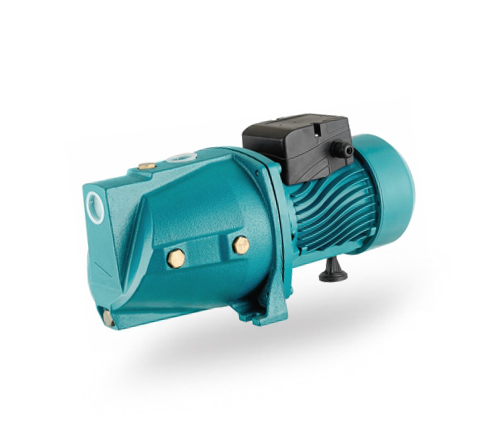
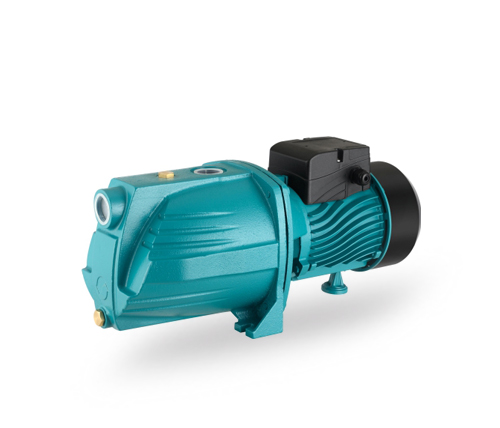
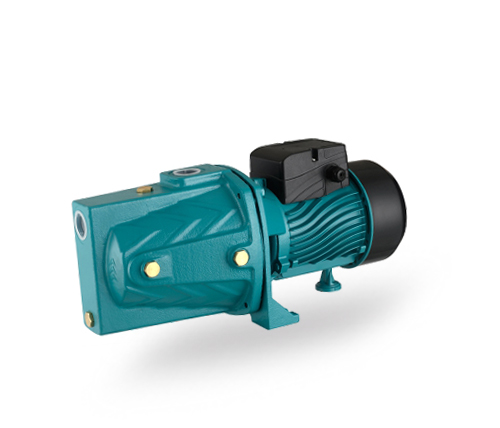
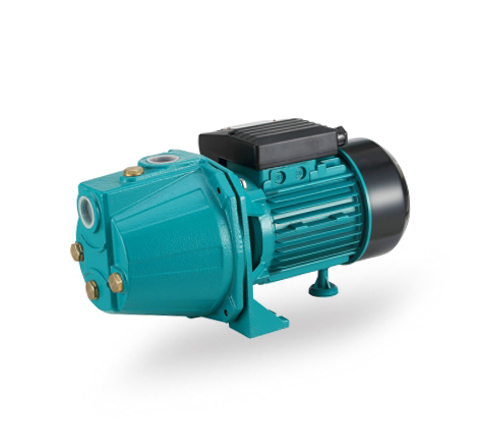
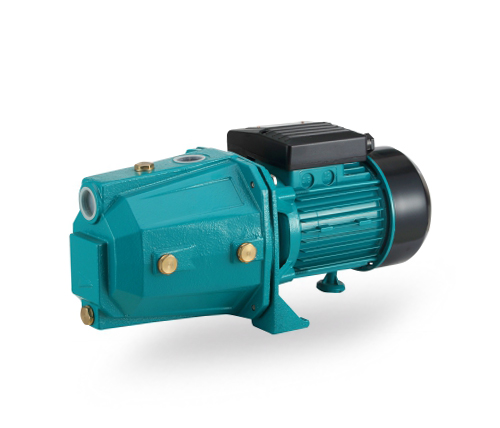
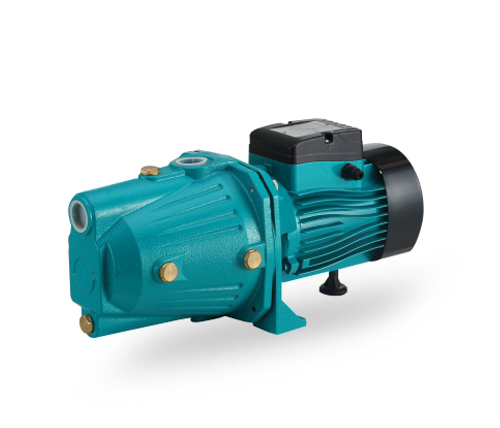
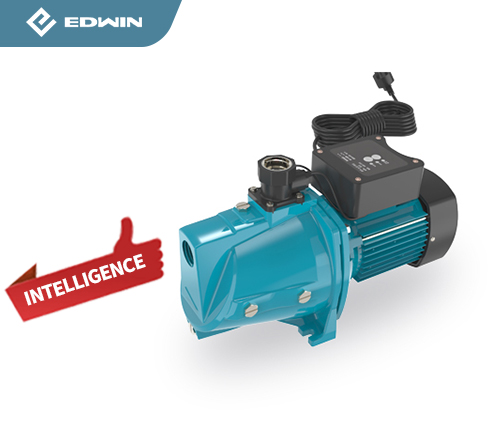
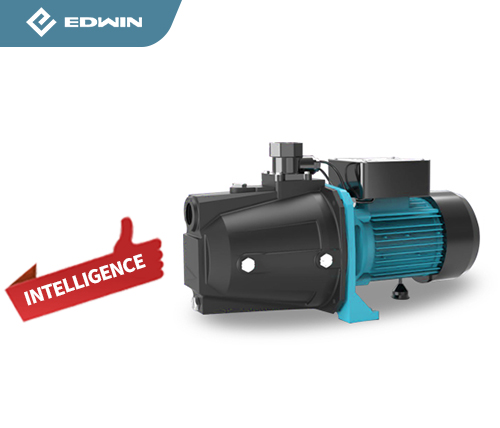
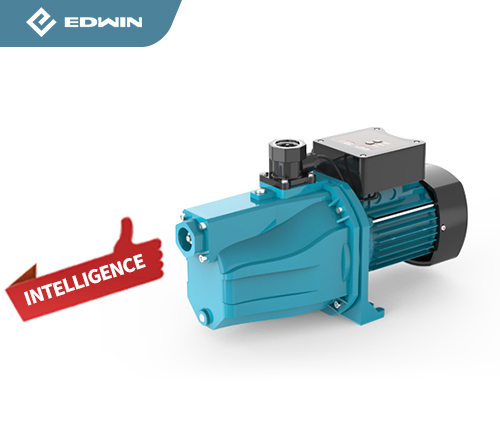
Self-priming JET pumps are a type of water pump that can start pumping water without the need for manual priming. They are designed to remove air from the pump casing and suction line, allowing the pump to function efficiently even in applications where there is no water in the suction line. The self-priming feature of JET pumps is achieved through the use of an ejector or venturi. The ejector works by creating a low-pressure zone in the suction line, which pulls water into the pump casing. This is accomplished by forcing water from the discharge side of the pump through a small nozzle and into the suction line. The water stream creates a vacuum, which draws water from the source into the suction line. EDWIN PUMP provides a big power range from 370w to 1500w. Max flow can be 95L/Min, max head can be 65M. Inlet and outlet sizes for customers to select are 1” 1.25” and 1.5”. JET pumps are commonly used in applications where water needs to be transferred from a low-lying source, such as a well, to a higher elevation. The max operation temperature of EDWIN PUMP is up to 60 degrees for liquid and 40 degrees for ambient. They are ideal for applications where the suction lift is greater than the normal suction lift limit of a standard centrifugal pump. EDWIM PUMP can lift up the total suction to 8M. Thermal protector for single phase: single-phase 220v/50hz, 60hz if request; three-phase 380v/50hz if request. Self-priming JET pumps are also ideal for use in applications where the water source is subject to frequent changes in water level, as they are able to re-prime themselves automatically. This makes them ideal for use in agriculture, irrigation systems, and residential water supply systems.
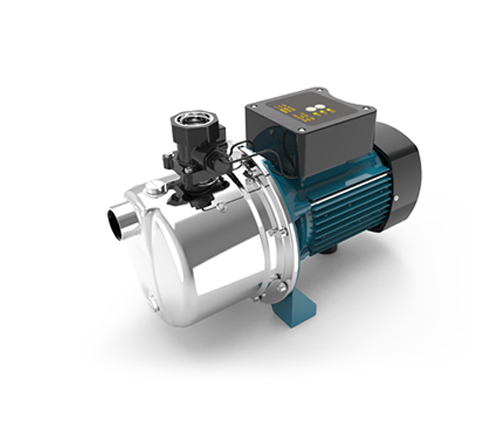
seriesportablebrassimpellereasyinstallationself-primingjetpump.jpg "JBP-PT Series Portable Brass Impeller Easy Installation Self-priming JET Pump")
.jpg "SJET Series Stainless Steel Welded Shaft Self-priming JET Pump")

A Submersible Pump is a critical tool for moving water and other fluids from wells, tanks, or reservoirs. Unlike surface pumps, submersible...
READ MOREAccess to groundwater is a critical concern for agriculture, residential use, and industrial operations. A borehole pump is designed to ext...
READ MOREA Deep Well Pump is designed to draw water from wells that are significantly deeper than standard household sources. These pumps are widely...
READ MOREWater management is an essential part of agriculture, and efficient irrigation systems depend on reliable pumps. An Irrigation Pump Factory...
READ MOREA submersible pump factory is responsible for producing pumps that operate fully underwater while maintaining stable performance. These pump...
READ MORESelf-priming JET pumps are widely used for water transfer, pressure boosting, and irrigation due to their ability to evacuate air from the suction line automatically. However, like all mechanical equipment, they can fail if operating conditions or maintenance practices are inadequate. The common causes of failure can be grouped into mechanical, hydraulic, and electrical factors.
Mechanical Wear and Seal Failure
Mechanical wear is a primary contributor to pump failure. Components such as bearings, impellers, and mechanical seals are subject to continuous stress during operation. If seals wear out or become damaged, air may enter the system, preventing proper priming and reducing pump efficiency. Over time, bearing wear can also bring about increased vibration, noise, and eventual motor damage if not addressed promptly.
Hydraulic and Installation-Related Issues
Improper installation often bring about hydraulic problems. Air leaks in the suction line, undersized pipes, or excessive suction lift can prevent the pump from maintaining prime. Blockages caused by debris, sand, or scale buildup can also restrict flow, forcing the pump to operate under unfavorable conditions. Running the pump outside its recommended performance range may result in overheating, cavitation, or impeller damage.
Electrical and Operational Factors
Electrical issues are another frequent cause of failure. Incorrect voltage supply, poor wiring connections, or insufficient motor protection can cause overheating or motor burnout. Frequent starting and stopping, especially under load, places additional stress on the motor and control components. In many cases, failures attributed to the pump itself are actually the result of inadequate electrical protection or improper operating practices.
Self-priming water pumps are designed to handle air in the suction line during startup, but this does not mean they are intended to run dry for extended periods. Dry running can still cause damage if not properly managed. The following points clarify how dry operation affects self-priming JET pumps:
Limited Dry-Run Capability
Risk of Overheating
Seal and Impeller Damage
Motor Protection Considerations
Operational Better Practice
Proper maintenance is essential for ensuring reliable operation and extending the lifespan of a portable self-priming JET pump. Because these pumps are often used in temporary or mobile applications, consistent inspection and care are particularly important.
Routine inspection should be the foundation of any maintenance plan. Before each use, operators should check the pump casing, suction hose, and fittings for signs of wear, cracks, or air leaks. Hose connections should be secure and free from damage, as even small leaks can compromise priming performance. The pump should also be kept clean, with debris removed from the casing and ventilation openings to ensure adequate cooling.
Periodic internal checks are also necessary. Mechanical seals, impellers, and wear rings should be inspected according to the manufacturer's recommended service intervals. If the pump is used with water containing sand or suspended solids, these inspections may need to be more frequent. Replacing worn components early helps prevent secondary damage and reduces downtime.
Electrical maintenance is equally important. Power cables, plugs, and switches should be examined for insulation damage or loose connections. For motor-driven units, verifying correct voltage supply and ensuring that thermal protection devices are functioning properly can prevent electrical failures. Portable pumps should always be operated within their rated duty cycle to avoid overheating.
+86-13586290903 (WhatsApp)
Xuri Gongliang Cutting Tool Entrepreneurship Park, Wenqiao Town, Wenling City, Taizhou City, Zhejiang Province, China

Self-priming JET Pump Manufacturer


 English