
View All Products
en
A pump is an essential accessory that is widely used in various industries, including agriculture, construction, water management, and more. Pumps are designed to transfer liquids, gases, and other fluids from one place to another. They play a critical role in various operations, as they help in moving liquids and gases to where they are needed. One of the significant advantages of using pumps is that they are very versatile and can be used for different applications. For instance, there are pumps specifically designed for agricultural use, which are capable of transferring water from one place to another. These pumps are made from durable materials that can withstand harsh conditions and are able to work effectively even in remote locations. In the construction industry, pumps are used to move concrete and other materials from one place to another, helping to make the construction process smoother and more efficient. Another advantage of using pumps is that they are very efficient in terms of energy consumption. They can transfer large quantities of fluids with relatively little energy, which makes them a cost-effective solution for many operations. Furthermore, pumps can be powered by different energy sources, including electricity, gasoline, and diesel, which makes them suitable for use in various environments and conditions. Pumps come in different types and sizes, which makes it possible to find a pump that is suitable for a specific application. For example, there are centrifugal pumps, which are used for high-volume, low-pressure applications, and positive displacement pumps, which are used for low-volume, high-pressure applications. There are also submersible pumps, which are designed to operate underwater, and jet pumps, which are designed to transfer water from wells. The right pump for a particular application will depend on the type and quantity of fluid being transferred, the distance that the fluid needs to be moved, and the pressure requirements.
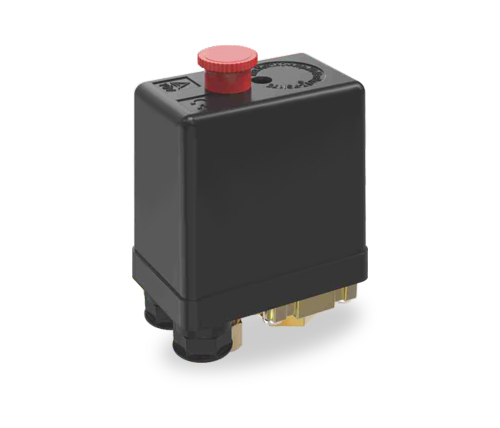
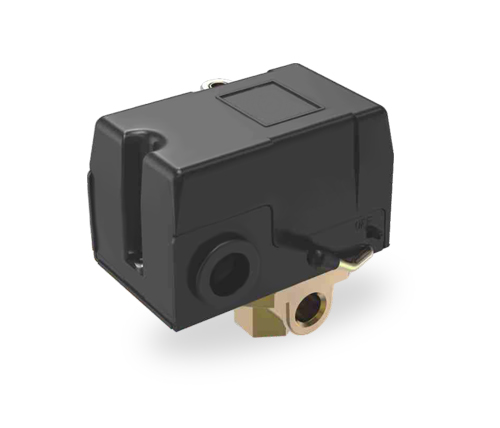
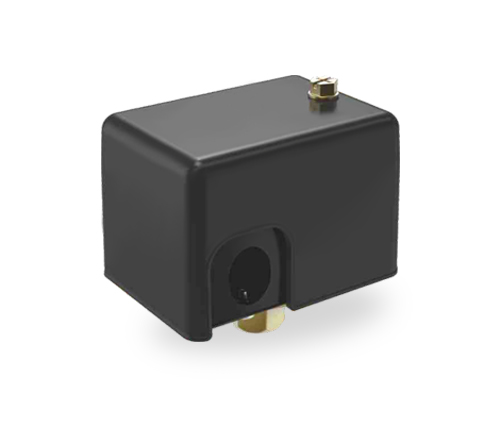
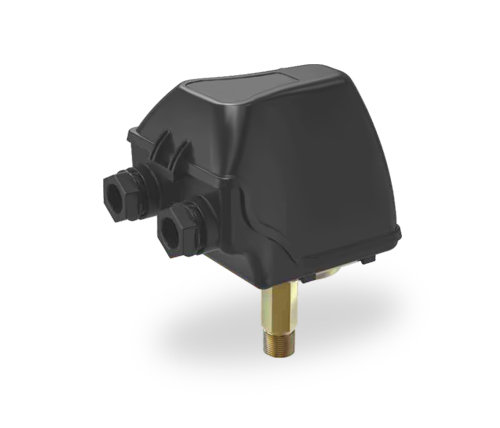

A Submersible Pump is a critical tool for moving water and other fluids from wells, tanks, or reservoirs. Unlike surface pumps, submersible...
READ MOREAccess to groundwater is a critical concern for agriculture, residential use, and industrial operations. A borehole pump is designed to ext...
READ MOREA Deep Well Pump is designed to draw water from wells that are significantly deeper than standard household sources. These pumps are widely...
READ MOREWater management is an essential part of agriculture, and efficient irrigation systems depend on reliable pumps. An Irrigation Pump Factory...
READ MOREA submersible pump factory is responsible for producing pumps that operate fully underwater while maintaining stable performance. These pump...
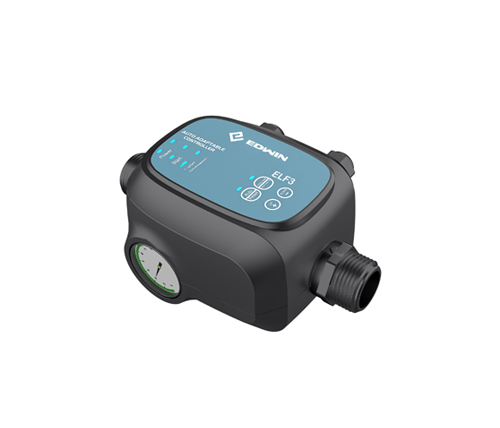
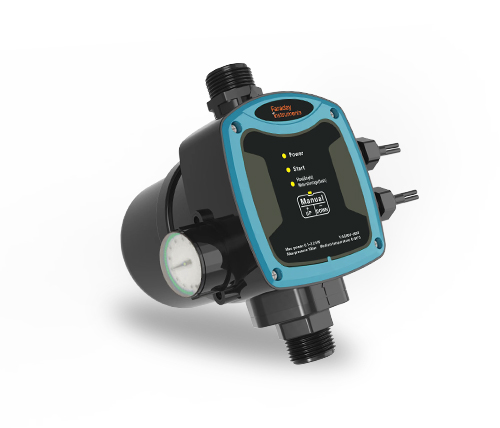
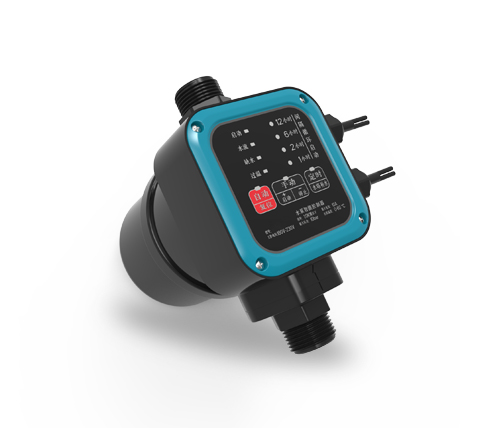
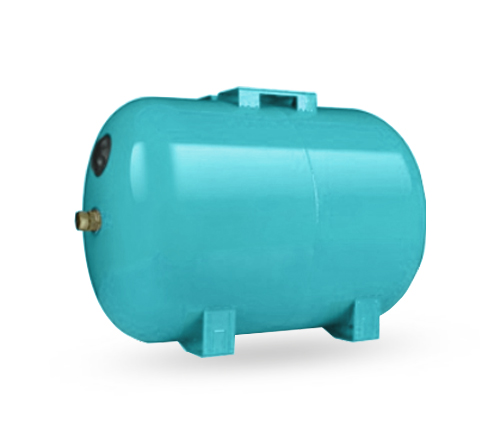
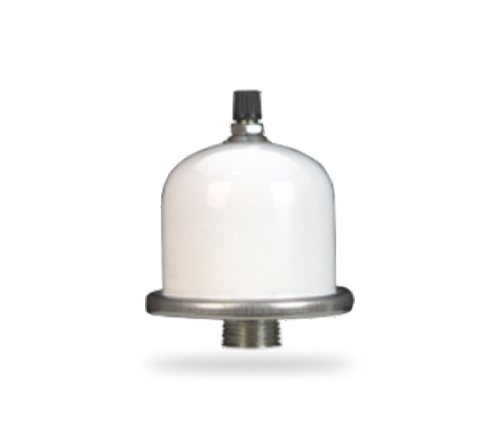
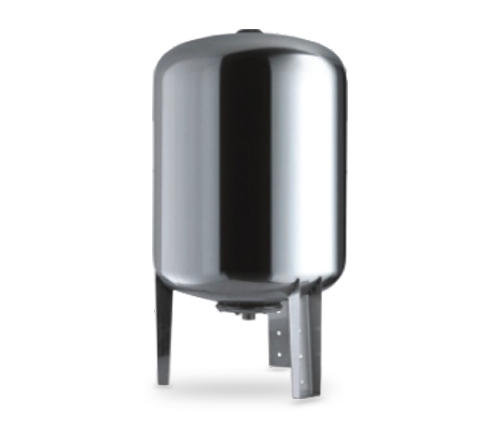
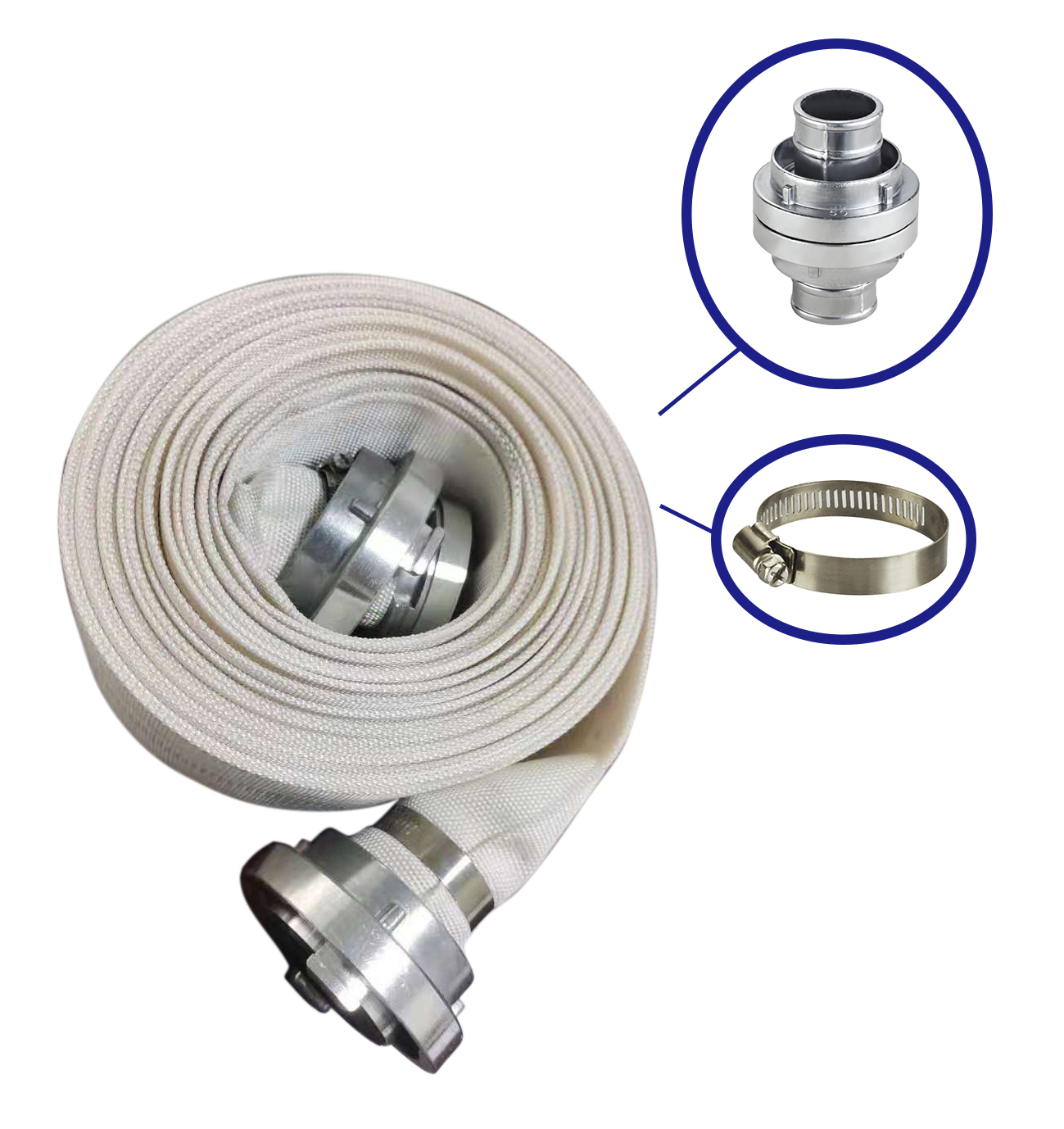
READ MOREPump accessories are supporting components that help a pump operate efficiently, safely, and reliably within a system. While the pump itself performs the main task of moving fluid, accessories ensure proper control, protection, and integration with pipelines and equipment.
One of the common accessories is the valve, including check valves, gate valves, and ball valves. These components regulate flow direction and pressure, prevent backflow, and allow isolation of the pump for maintenance. Pressure gauges and flow meters are also widely used accessories, providing real-time information about system performance and helping operators identify abnormal conditions early.
Mechanical seals and gaskets play a critical role in preventing leakage where the rotating shaft passes through the pump casing. Along with seals, bearings are essential accessories that support rotating parts and reduce friction. Their condition directly affects pump stability and noise levels.
Other common accessories include couplings, which connect the pump shaft to the motor shaft and allow for slight misalignment, and base plates, which provide structural support and alignment stability. In electrically driven systems, control panels, starters, and overload protection devices are also considered important accessories, as they protect motors from electrical faults.
For certain applications, filters and strainers are installed at the pump inlet to prevent debris from entering the pump. Together, these accessories ensure that pumps operate within design limits, achieve consistent performance, and maintain a reasonable service life.
Choosing the correct water pump replacement parts requires a careful and systematic approach. The and important step is to match the exact pump model and specifications. Replacement parts should be compatible with the pump's size, operating speed, pressure rating, and fluid type. Using original manufacturer part numbers or detailed technical drawings can help avoid mismatches.
Material selection is another key factor. Replacement parts must be suitable for the fluid being pumped and the operating environment. For example, stainless steel or corrosion-resistant alloys are often required for chemically aggressive or saline water, while standard cast iron may be sufficient for clean water applications. Selecting inappropriate materials can bring about accelerated wear or premature failure.
Operating conditions should also be considered. Components such as seals, bearings, and impellers must withstand expected temperature, pressure, and continuous operating hours. In systems that run frequently or continuously, higher-grade components with better wear resistance are often more cost-effective in the long term.
Quality and sourcing are equally important. While lower-cost alternatives may appear attractive, poorly manufactured parts can reduce pump efficiency or damage other components. Choosing reputable suppliers and verified manufacturers helps ensure dimensional accuracy and consistent performance.
Maintenance history should guide part selection. If a certain component fails repeatedly, it may indicate the need for an upgraded material or design rather than a simple replacement. A thoughtful selection process helps restore pump performance while reducing the risk of repeated downtime.
The replacement frequency of industrial pump accessories depends on operating conditions, maintenance practices, and the type of accessory involved. There is no universal schedule, but general guidelines can help operators plan inspections and replacements more effectively.
Wear components, such as mechanical seals, bearings, and gaskets, typically require more frequent replacement. In continuous-duty industrial applications, seals may last anywhere from 6 months to several years, depending on fluid abrasiveness, temperature, and shaft alignment. Bearings often have a longer service life but still require regular monitoring for noise, vibration, and temperature changes.
Valves and couplings generally have longer replacement intervals. If properly sized and operated within design limits, they may function reliably for many years. However, periodic inspection is necessary to detect internal wear, leakage, or loss of flexibility. Misalignment or vibration can shorten the life of couplings significantly.
Instrumentation accessories, such as pressure gauges and sensors, usually require calibration rather than frequent replacement. However, in harsh industrial environments, exposure to vibration or corrosive fluids may shorten their usable life.
Preventive maintenance plays a major role in extending accessory lifespan. Regular inspections, lubrication, alignment checks, and timely cleaning help reduce unnecessary wear. Many industrial facilities follow condition-based maintenance schedules, replacing accessories when performance indicators show deterioration rather than relying solely on fixed time intervals.
+86-13586290903 (WhatsApp)
Xuri Gongliang Cutting Tool Entrepreneurship Park, Wenqiao Town, Wenling City, Taizhou City, Zhejiang Province, China

Pump Accessory Manufacturer


 English