
View All Products
en
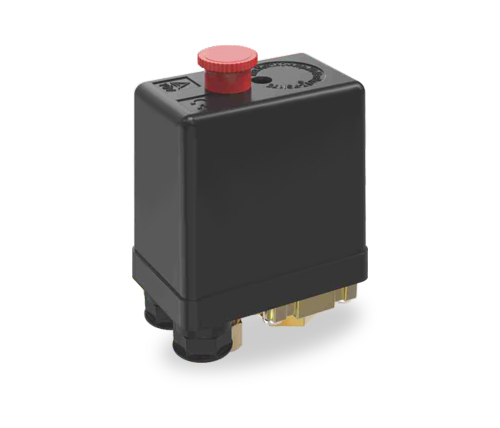
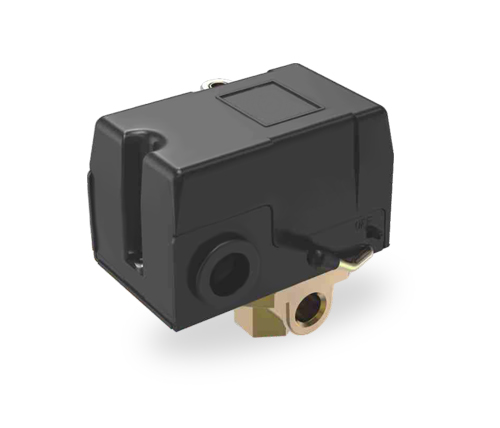
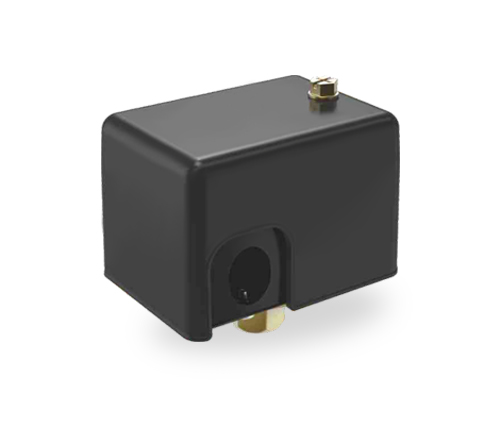
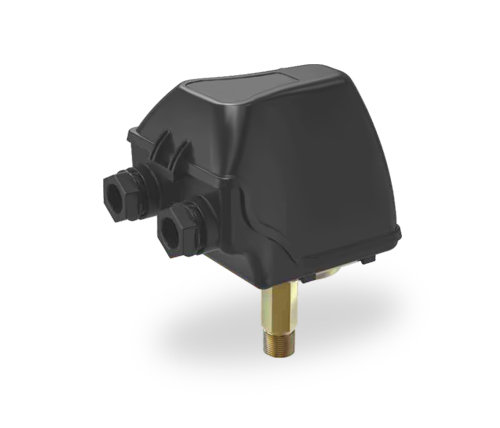
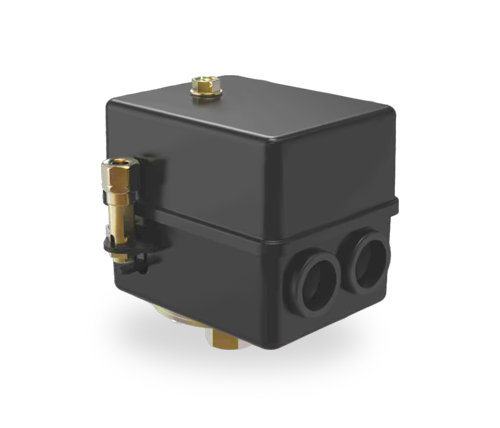
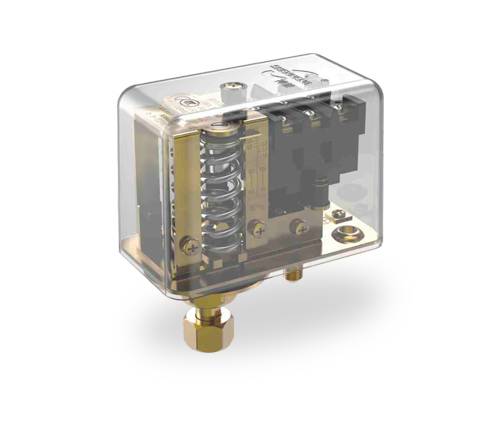
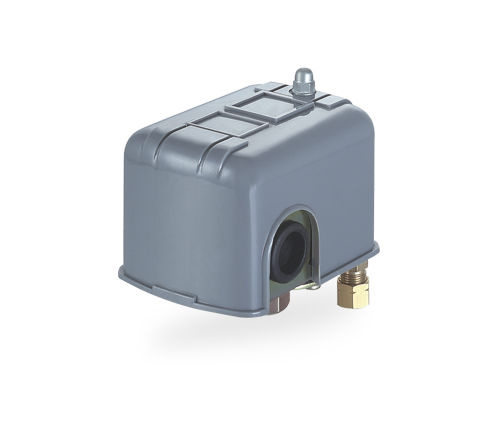
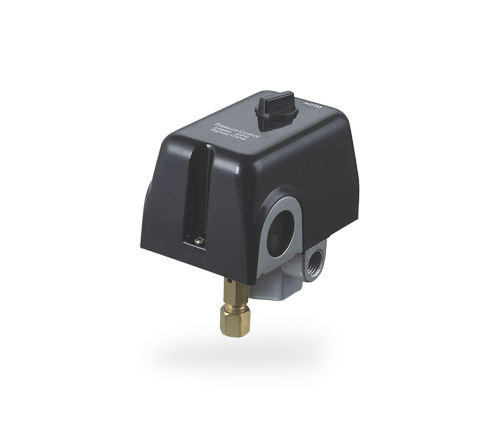
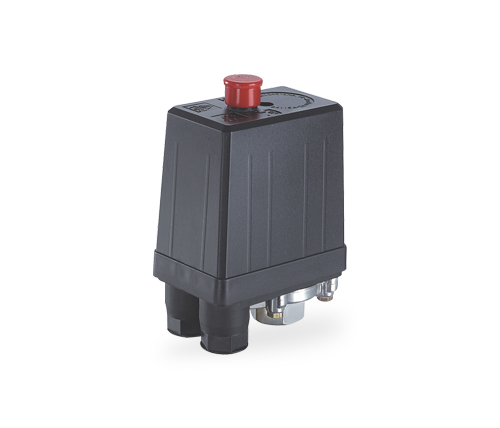
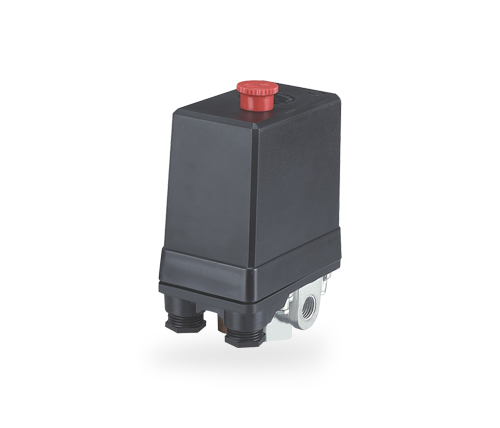
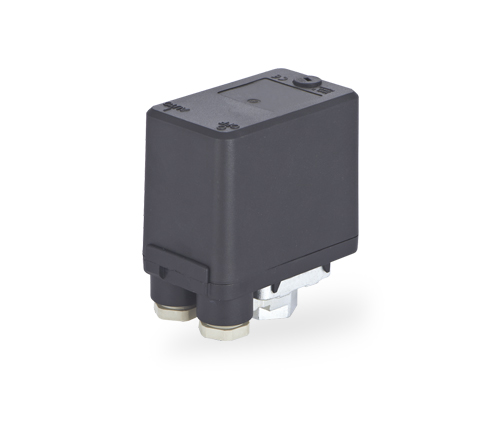
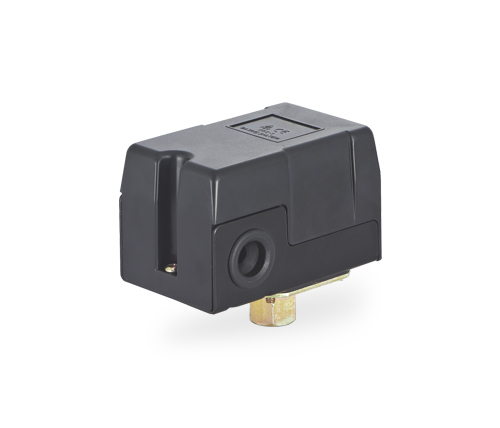
A mechanical pressure controller is a device used in a variety of industries to regulate the pressure of gases or liquids within a system. These controllers operate through the use of mechanical components, such as springs, diaphragms, and bellows, to adjust the flow of fluid or gas to maintain a desired pressure level. Mechanical pressure controllers are commonly used in applications that require precise control of fluid or gas pressure, such as in oil and gas production, chemical processing, and HVAC systems. The main advantage of using a mechanical pressure controller is that it operates without the need for external power, making it ideal for use in remote or hazardous environments where electrical power may not be readily available. The basic operation of a mechanical pressure controller involves the use of a pressure sensor to monitor the system pressure. When the pressure deviates from the desired setpoint, the sensor sends a signal to the mechanical components of the controller, which then adjusts the flow of fluid or gas to bring the pressure back to the set point. This continuous cycle of monitoring and adjustment is performed by the mechanical components, which respond to changes in pressure in real time, ensuring that the desired pressure level is maintained. There are several types of mechanical pressure controllers available, including spring-loaded controllers, diaphragm controllers, and bellows controllers. Each type of controller operates in a slightly different manner and is designed for specific applications.

A Submersible Pump is a critical tool for moving water and other fluids from wells, tanks, or reservoirs. Unlike surface pumps, submersible...
READ MOREAccess to groundwater is a critical concern for agriculture, residential use, and industrial operations. A borehole pump is designed to ext...
READ MOREA Deep Well Pump is designed to draw water from wells that are significantly deeper than standard household sources. These pumps are widely...
READ MOREWater management is an essential part of agriculture, and efficient irrigation systems depend on reliable pumps. An Irrigation Pump Factory...
READ MOREA submersible pump factory is responsible for producing pumps that operate fully underwater while maintaining stable performance. These pump...
READ MOREProper adjustment of a mechanical pressure controller is essential to ensure stable water pressure, protect pumps, and extend system lifespan. While specific procedures vary by manufacturer, the general adjustment principles are consistent.
Ensure system safety. Before making any adjustments, disconnect electrical power to the pump and relieve water pressure by opening a downstream faucet. This reduces the risk of electric shock and accidental pump activation.
Next, identify the adjustment components. mechanical pressure controllers include two internal springs and adjustment nuts:
A main (large) spring, which controls the cut-in and cut-out pressure simultaneously.
A secondary (small) spring, which adjusts the pressure differential between cut-in and cut-out points.
To adjust the cut-in pressure, turn the nut on the main spring:
To fine-tune the pressure differential, adjust the smaller spring:
During adjustment, it is important to use a pressure gauge installed on the system. After each adjustment, restore power, allow the pump to cycle, and observe the actual start and stop pressures. Make small changes rather than large adjustments to avoid unstable operation.
Verify system performance. The selected pressure range should match the pump's rated operating limits and the requirements of downstream fixtures. Excessive pressure can damage pipes and fittings, while insufficient pressure may result in poor water delivery. Once the desired settings are confirmed, securely close the controller housing to protect internal components from moisture and debris.
Mechanical pressure control devices for air compressors are designed to regulate compressed air pressure by switching the compressor on and off or unloading it at preset levels. Several common types are used, each with distinct characteristics.
1. Mechanical Pressure Switch
The mechanical pressure switch is the widely used control device for small and medium air compressors.
Characteristics:
This type is cost-effective and reliable but may cause more frequent motor starts if the pressure differential is narrow.
2. Diaphragm-Type Pressure Controller
Diaphragm controllers rely on a flexible membrane that reacts to air pressure changes.
Characteristics:
However, diaphragms may degrade over time when exposed to oil mist or high temperatures.
3. Piston-Type Mechanical Pressure Controller
Piston-type controllers use a small piston that moves against a spring as pressure changes.
Characteristics:
They generally require more precise manufacturing and may have slightly higher maintenance requirements.
4. Mechanical Unloader Valve with Pressure Control
In some systems, a mechanical pressure controller is integrated with an unloader valve.
Characteristics:
This design enhances energy efficiency and mechanical protection during frequent start-stop cycles.
5. Differential Mechanical Pressure Controller
Differential controllers allow independent adjustment of cut-in and cut-out pressures.
Characteristics:
+86-13586290903 (WhatsApp)
Xuri Gongliang Cutting Tool Entrepreneurship Park, Wenqiao Town, Wenling City, Taizhou City, Zhejiang Province, China

Mechanical Pressure Controller Manufacturer


 English